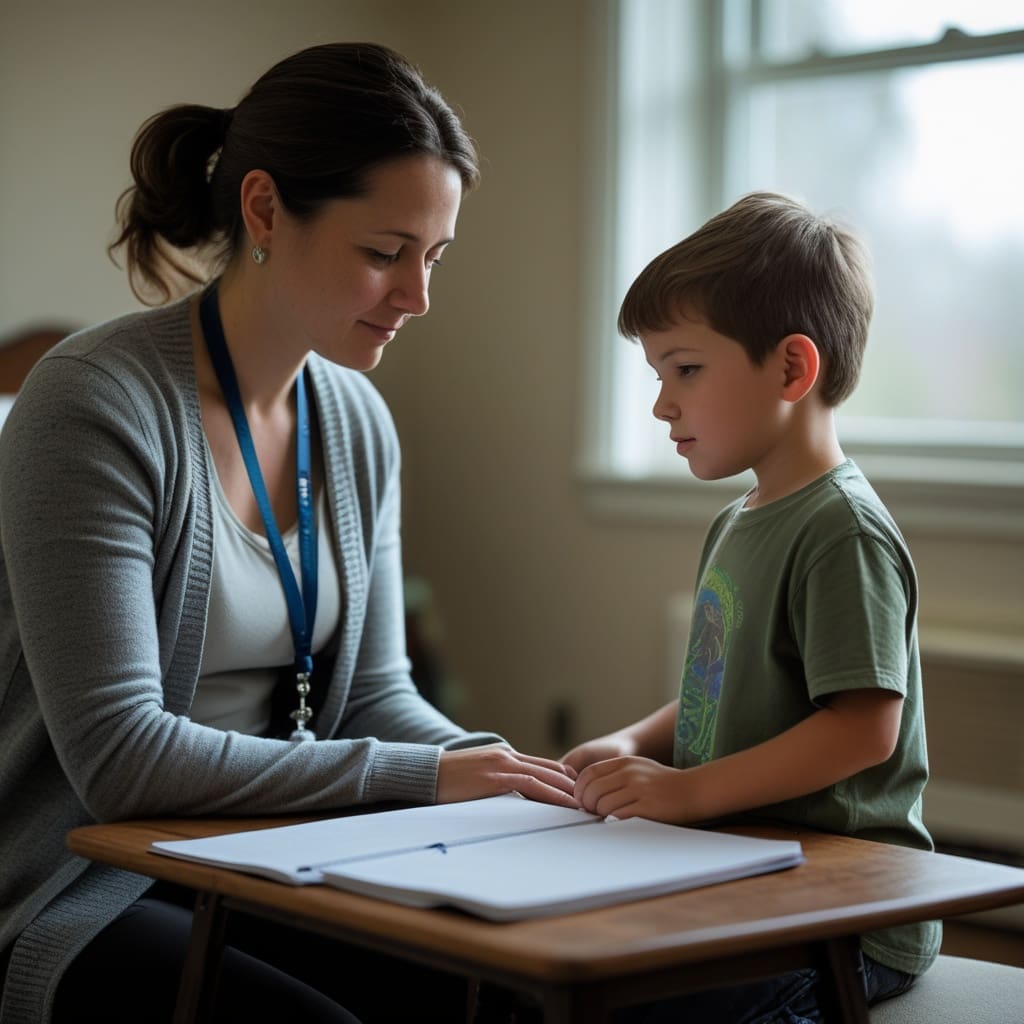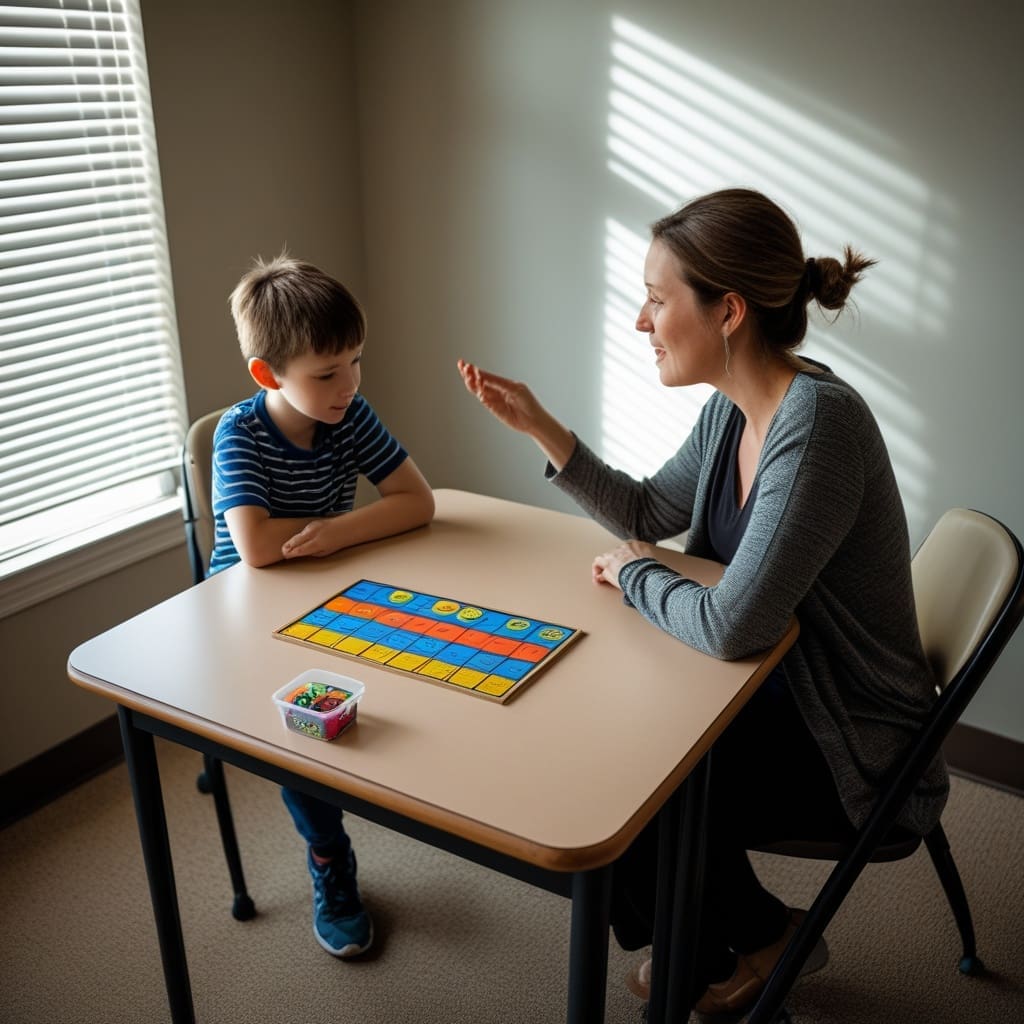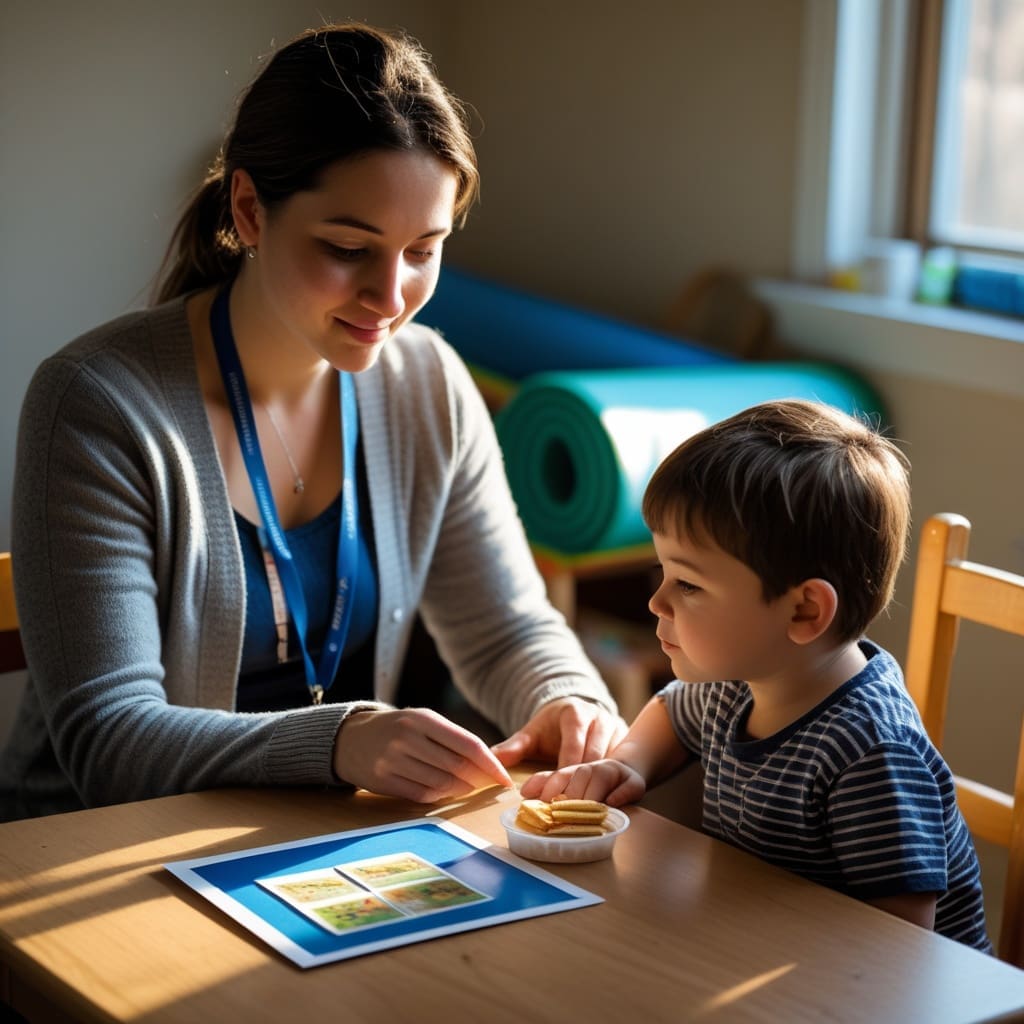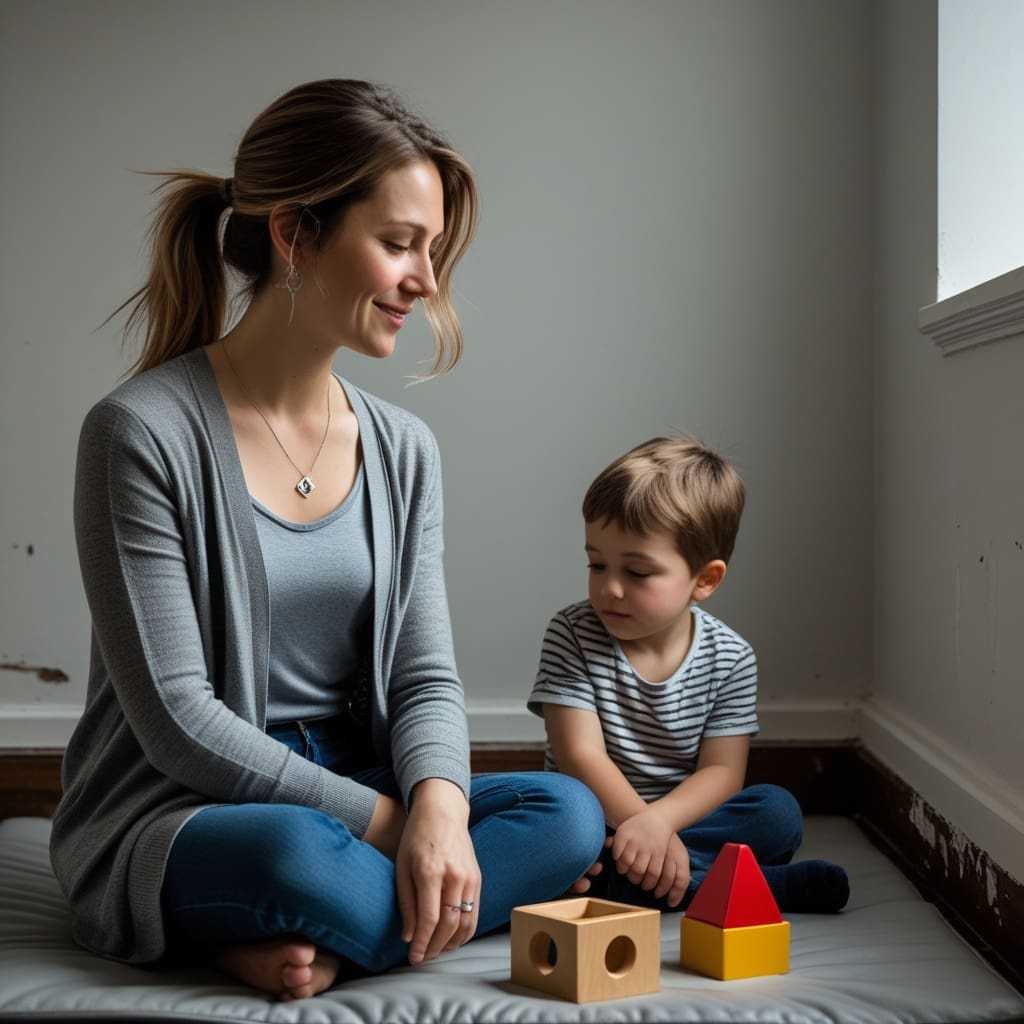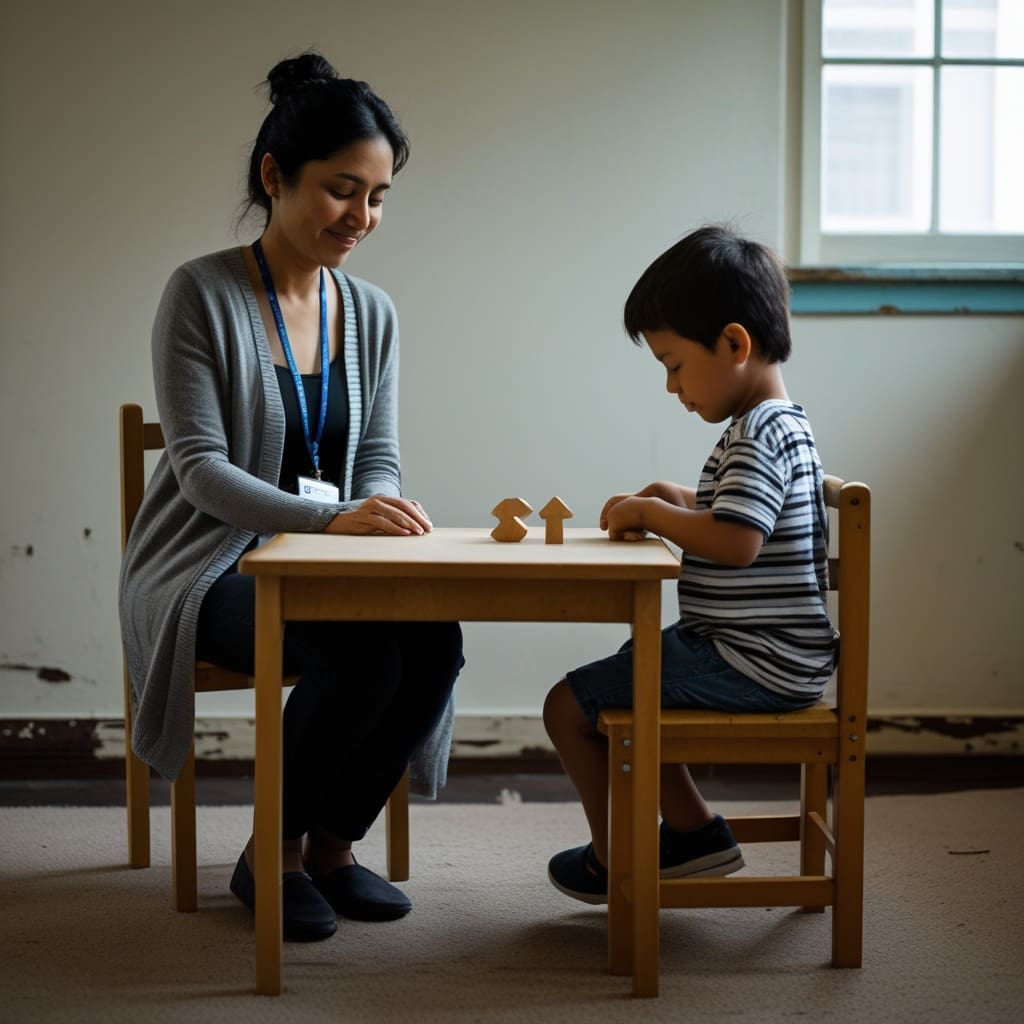


Thinking about how to help your little one thrive? If you’ve got a preschooler, especially one who might be struggling a bit with communication or social stuff, you’ve probably heard about ABA therapy. It sounds fancy, but really, it’s just a way to help kids learn and grow by looking at what works best for them. We’re going to break down what aba therapy for preschoolers actually means and why it can be such a big help for so many families.
Key Takeaways
- ABA therapy for preschoolers is a structured way to help kids learn important skills like talking, playing with others, and managing their actions.
- It works by breaking down big goals into small steps and using rewards to encourage good progress.
- Techniques like Discrete Trial Training (DTT) and Natural Environment Teaching (NET) are used to teach skills in different ways.
- When parents and teachers work together with therapists, kids tend to do even better.
- Starting ABA therapy early can make a big difference in a child’s development and how well they do in school later on.
Understanding The Foundations Of Aba Therapy For Preschoolers
What Is Applied Behavior Analysis?
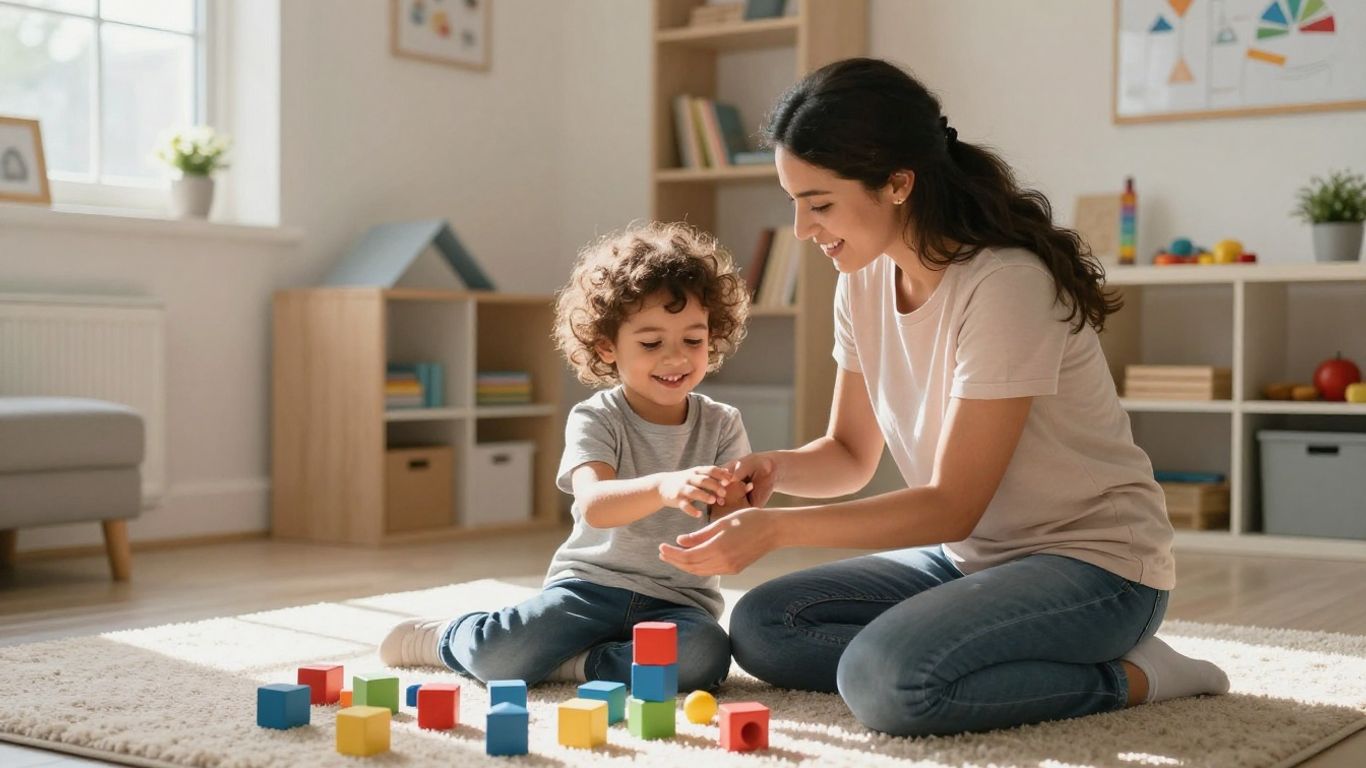
Applied Behavior Analysis, or ABA, is a way of looking at behavior. It’s a science that studies how people learn and how their actions are affected by what happens around them. Think of it like this: if a child does something and something good happens afterward, they’re more likely to do it again. If something not-so-good happens, they might do it less. ABA uses these ideas to help children learn important skills and reduce behaviors that get in the way of learning or social interaction.
Key Principles Of Aba
ABA is built on a few main ideas. One big one is positive reinforcement. This means when a child does something we like, we give them something they like – maybe praise, a small toy, or a sticker. This makes them want to do that good thing again. Another principle is breaking down big tasks into smaller, easier steps. This way, learning feels less overwhelming. We also look at the environment to see what might be causing a behavior, whether it’s a challenging one or a helpful one.
Here are some core ideas in ABA:
- Focus on observable behavior: We look at what a person actually does, not just what they might be thinking or feeling.
- Data collection: We track progress by writing down what happens. This helps us see if what we’re doing is working.
- Individualized approach: Every child is different, so ABA plans are made just for them.
- Skill building: The goal is always to teach new, helpful skills.
ABA is about understanding why behaviors happen and using that knowledge to teach skills in a way that makes sense for the child.
How Aba Is Applied In Early Childhood
In preschools, ABA looks a bit different than in a clinic. Therapists and teachers work together to help children learn during everyday activities. For example, if a child needs to learn to share, a teacher might set up a play scenario where sharing is encouraged and rewarded. If a child struggles with talking, ABA might involve using pictures or simple words to help them communicate their needs, with praise given when they try.
ABA in early childhood often involves:
- Structured teaching: Using specific methods to teach skills like identifying colors or following directions.
- Learning in natural settings: Teaching skills during playtime, snack time, or circle time, so the child learns to use them in real situations.
- Working on communication: Helping children express their wants and needs, whether through words, signs, or pictures.
- Social skills practice: Guiding children on how to interact with peers, take turns, and play together.
It’s all about making learning fun and practical for young children, helping them build confidence and get ready for school.
The Profound Impact Of Early Aba Intervention
Boosting Communication And Social Skills
Starting ABA therapy early can make a big difference in how a child communicates and interacts with others. For young kids, especially those with autism, the brain is like a sponge, soaking up new information and skills. ABA uses play-based methods to help children learn to express themselves, whether through words, signs, or pictures. It also teaches them how to understand social cues, like when someone is happy or sad, and how to join in on games with other children. These early gains in communication and social connection are really important for building friendships and feeling more confident.
Enhancing Cognitive And Adaptive Functioning
Beyond communication, early ABA intervention also helps children develop thinking skills and learn everyday life skills. This can mean improving their ability to focus, solve simple problems, and follow directions. Adaptive skills, like getting dressed, eating independently, or using the toilet, are also a big part of ABA. By breaking down these tasks into small, manageable steps and using positive encouragement, children can learn these important skills, leading to more independence at home and in school. Research shows that early, intensive ABA can lead to significant improvements in cognitive abilities, with some studies noting average IQ gains of up to 17 points.
The early years are a critical time for development. What children learn and experience now can shape their future learning and how they interact with the world for years to come. Giving them the right support early on can help them build a strong foundation for success.
Long-Term Developmental Benefits
The effects of starting ABA therapy early can last a lifetime. Children who receive early intervention often show better progress in school and in their social lives as they get older. They may find it easier to make friends, participate in group activities, and handle challenges. This early support helps set them on a path toward greater independence and a better quality of life. It’s about giving them the tools they need to thrive, not just in preschool, but well into adolescence and adulthood. Getting started with ABA therapy early can help maximize a child’s potential for growth and success Understanding when to start ABA therapy.
Here’s a look at some of the key areas where early ABA makes a difference:
- Communication: Learning to express needs, wants, and feelings.
- Social Interaction: Understanding social rules, sharing, and playing with peers.
- Daily Living Skills: Gaining independence in tasks like dressing and hygiene.
- Cognitive Skills: Improving attention, memory, and problem-solving abilities.
- Behavior Regulation: Learning to manage emotions and reduce challenging behaviors.
Integrating Aba Into Preschool Environments
Bringing ABA therapy into a preschool setting is all about making sure kids get the support they need right where they are learning and playing with others. It’s not just about one-on-one sessions anymore; it’s about weaving these helpful strategies into the daily flow of the classroom. This makes learning feel more natural and helps kids practice new skills with their friends.
Creating Structured Learning Opportunities
Preschools can set up specific times and places for learning that are easy for kids to understand. Think of it like having a clear plan for the day. This structure helps kids know what to expect, which can make them feel more secure and ready to learn. It’s about breaking down activities into smaller steps so they’re not overwhelming.
- Visual Schedules: Using pictures or words to show the order of activities helps children follow along.
- Defined Learning Centers: Having specific areas for different types of play or learning (like a reading corner or a building block station) gives clear boundaries.
- Task Analysis: Breaking down a task, like putting toys away, into simple steps makes it easier for a child to complete.
Structure in the classroom doesn’t mean rigid rules; it means creating predictable routines and clear expectations that help children feel safe and ready to engage with learning.
Fostering Peer Interaction and Engagement
One of the big goals in preschool is helping kids learn to play and talk with each other. ABA can help with this by teaching specific social skills in a way that makes sense. It’s not just about telling kids what to do, but showing them and giving them chances to practice.
- Teaching Play Skills: Therapists can model how to join a game, share toys, or take turns. This might involve role-playing or using prompts during playtime.
- Encouraging Communication: Kids can be taught simple phrases to ask for a toy, say "please," or comment on what a friend is doing.
- Positive Reinforcement: Praising or rewarding children when they interact positively with peers helps them understand what to do more of.
Collaborative Support Systems
For ABA to work best in preschool, everyone needs to be on the same page. This means teachers, therapists, and parents working together. When everyone uses similar approaches, kids get consistent help, which makes a big difference in how quickly they learn.
- Team Meetings: Regular check-ins between teachers and therapists to discuss a child’s progress and any challenges.
- Shared Strategies: Teachers learn simple ABA techniques they can use throughout the day, like using visual aids or offering choices.
- Home-School Communication: Notes or brief chats between parents and school staff to share what’s working at home and at school.
This teamwork helps create a consistent environment for the child, making it easier for them to learn and use new skills across different settings.
Evidence-Based Strategies And Methodologies
Discrete Trial Training (Dtt)
Discrete Trial Training, or DTT, is a really structured way to teach new skills. Think of it like breaking down a big task into tiny, manageable steps. For each step, a therapist or teacher presents a clear instruction or question. If the child gets it right, they get a reward, like praise or a small toy. This immediate feedback helps them learn quickly. It’s especially good for teaching specific things like identifying colors, shapes, or following simple directions.
Pivotal Response Treatment (Prt)
Pivotal Response Treatment, or PRT, takes a different approach. Instead of focusing on just one skill, PRT targets what we call ‘pivotal’ behaviors. These are behaviors that, once learned, help a child learn many other things. Things like motivation, starting interactions, and paying attention are considered pivotal. PRT happens more naturally, often during play. The idea is that if a child is more motivated to communicate or explore, they’ll pick up other skills more easily. It’s all about making learning feel more like playing.
Natural Environment Teaching (Net)
Natural Environment Teaching, or NET, is all about learning in the real world, as it happens. Instead of a separate therapy room, NET uses everyday situations – like snack time, playtime, or a walk in the park – as learning opportunities. The therapist follows the child’s lead and interests. If a child wants a toy, the therapist might prompt them to ask for it using words or a picture. This makes learning feel relevant and useful because it’s happening in the context where the skills will actually be used. It helps kids see how what they’re learning applies to their daily lives.
These methods aren’t just random techniques; they’re backed by a lot of research showing they work. The key is that they’re flexible and can be adjusted for each child’s unique needs and learning style. What works for one child might need a tweak for another, and that’s where the skill of the therapist comes in.
The Crucial Role Of Family And Professional Collaboration
Empowering Parents And Caregivers
Parents and caregivers are the first teachers and the most consistent presence in a child’s life. When they understand and can use the strategies from ABA therapy, it makes a huge difference. It’s not just about what happens in a therapy session; it’s about how those skills are used every single day. When parents feel confident and supported in using these techniques at home, they become a child’s biggest advocate and a key part of their learning team. This involvement helps children practice what they learn in a natural setting, making the skills stick better and faster.
The Expertise Of Board Certified Behavior Analysts
Board Certified Behavior Analysts, or BCBAs, are the professionals who really know their stuff when it comes to ABA. They’re the ones who figure out what a child needs and create a plan just for them. They watch how the child learns, what works, and what doesn’t, and then they build a strategy. BCBAs also train other people, like therapists and parents, on how to use these strategies. They make sure everyone is on the same page, which is super important for the child’s progress.
Ensuring Consistency Across Settings
Think about it: a child spends time at home, at a therapy center, and maybe at preschool. For learning to really take hold, the way we help them needs to be pretty similar in all those places. If one person is encouraging a certain behavior and another is discouraging it, it gets confusing. That’s where collaboration comes in. When parents, therapists, and teachers talk to each other and agree on how to support the child, it creates a steady path for learning. This consistency helps children feel secure and understand what’s expected, making it easier for them to learn new things and grow.
When everyone involved in a child’s life works together, sharing information and using similar approaches, the child gets the best possible support. This teamwork makes a big impact on how well they learn and develop.
Achieving Key Developmental Goals With Aba
Improving Language and Expressive Abilities
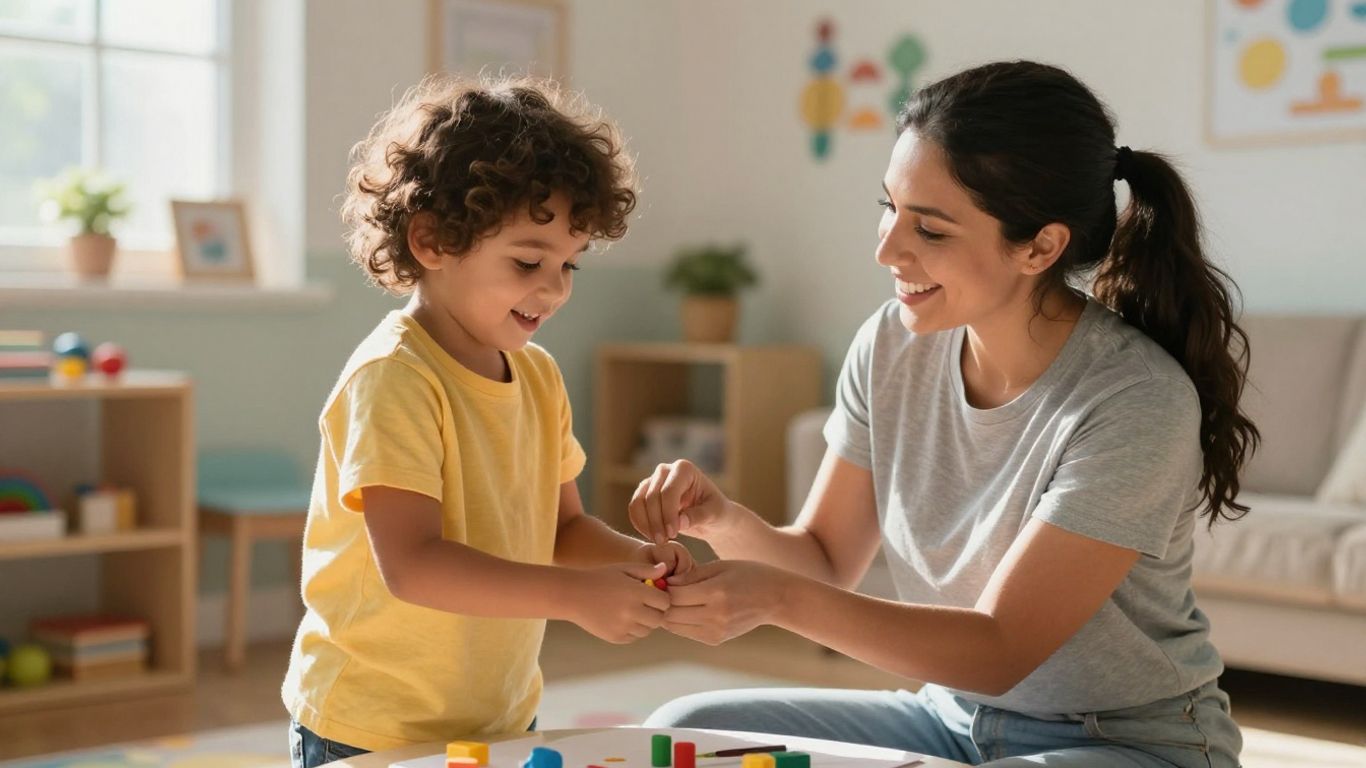
ABA therapy really focuses on helping kids talk and express themselves. It breaks down language into small, manageable steps. Therapists use different methods to encourage talking, like asking questions, offering choices, and rewarding any attempt to communicate.
Think about it like building with blocks. Each word or phrase is a block. ABA helps kids learn to put those blocks together to make sentences and share their thoughts. This isn’t just about saying words; it’s about understanding what others say too.
- Learning new words: Therapists introduce new vocabulary in fun ways.
- Putting words together: Kids learn to form simple sentences.
- Asking for things: They learn to request what they need or want.
- Understanding others: ABA also works on listening and understanding instructions.
Cultivating Positive Social Interactions
Social skills can be tricky, and ABA helps kids learn how to play with others, share, and understand social cues. It’s about teaching them the ‘rules’ of social interaction in a clear way.
Therapists might use role-playing to practice greeting people or joining a game. They also help kids understand emotions, both their own and others’. This can make playing with peers much easier and more enjoyable.
Learning to interact with others is a big part of growing up, and ABA provides a structured way to practice these skills in a safe environment.
- Taking turns: Practicing sharing toys and activities.
- Joining play: Learning how to approach other children and start playing together.
- Understanding feelings: Recognizing happy, sad, or angry faces.
- Making friends: Developing the skills needed for lasting friendships.
Developing Essential Life Skills
Beyond talking and playing, ABA helps children learn everyday skills that lead to more independence. This can include things like getting dressed, eating, or even simple chores.
These skills are broken down into small steps, just like language. For example, learning to tie shoes might be taught one step at a time. The goal is to help children become as independent as possible in their daily routines.
- Self-care: Skills like brushing teeth or washing hands.
- Mealtime skills: Learning to use utensils or eat different foods.
- Following routines: Understanding and participating in daily schedules.
- Problem-solving: Simple ways to figure things out on their own.
Wrapping Up: The Lasting Impact of ABA
So, we’ve talked a lot about how ABA therapy can really make a difference for preschoolers, especially those on the autism spectrum. It’s not just about teaching skills; it’s about building confidence and helping kids connect with the world around them. By working together, parents, teachers, and therapists can create a supportive path for each child. Seeing these little ones grow, learn, and thrive is truly rewarding, and ABA therapy is a big part of making that happen. It’s a journey, for sure, but one that opens up so many possibilities for a brighter future.
Frequently Asked Questions
What exactly is ABA therapy?
ABA therapy, which stands for Applied Behavior Analysis, is a type of therapy that helps people learn new skills and behaviors. It’s like a special teaching method that breaks down big goals into smaller, easier steps. The main idea is to understand why someone does certain things and then help them learn more helpful ways to act and communicate. It’s often used to help kids with autism learn important stuff like talking, playing with others, and taking care of themselves.
How does ABA help preschoolers learn?
For preschoolers, ABA therapy focuses on making learning fun and rewarding. Therapists use games and everyday activities to teach skills. For example, if a child needs to learn to share, a therapist might use a toy and a reward system to encourage sharing during playtime. The therapy is designed to build on what the child already knows and to make learning feel natural and engaging, helping them get ready for school.
What kind of skills does ABA therapy help with?
ABA therapy can help with a lot of different skills! It’s really good at boosting communication, like helping kids learn to talk, use sign language, or use picture cards to express themselves. It also helps with social skills, such as learning to take turns, make friends, and understand how others feel. Plus, it can help with everyday life skills like getting dressed, eating, and following instructions, which are super important for growing up.
Is ABA therapy the same for every child?
Nope, not at all! ABA therapy is very personalized. A special therapist, called a Board Certified Behavior Analyst (BCBA), first figures out what each child is good at and what they need help with. Then, they create a unique plan just for that child. This means the therapy changes as the child learns and grows, making sure it’s always the best fit for their specific needs and learning style.
What does ‘evidence-based’ mean for ABA therapy?
When we say ABA therapy is ‘evidence-based,’ it means that scientists and researchers have studied it a lot and found that it really works. They’ve done experiments and gathered lots of information that shows ABA therapy helps children learn and improve. It’s not just a guess; it’s a method proven by science to be effective for helping kids develop important skills.
How can parents get involved with ABA therapy?
Parents are a super important part of ABA therapy! Therapists work closely with parents and caregivers to teach them how to use the same helpful strategies at home. This way, the child gets consistent support both in therapy and in their daily life. When parents are involved, it helps the child learn faster and use their new skills everywhere they go, making a much bigger difference.