Social Communication in Level 1 Autism Explained
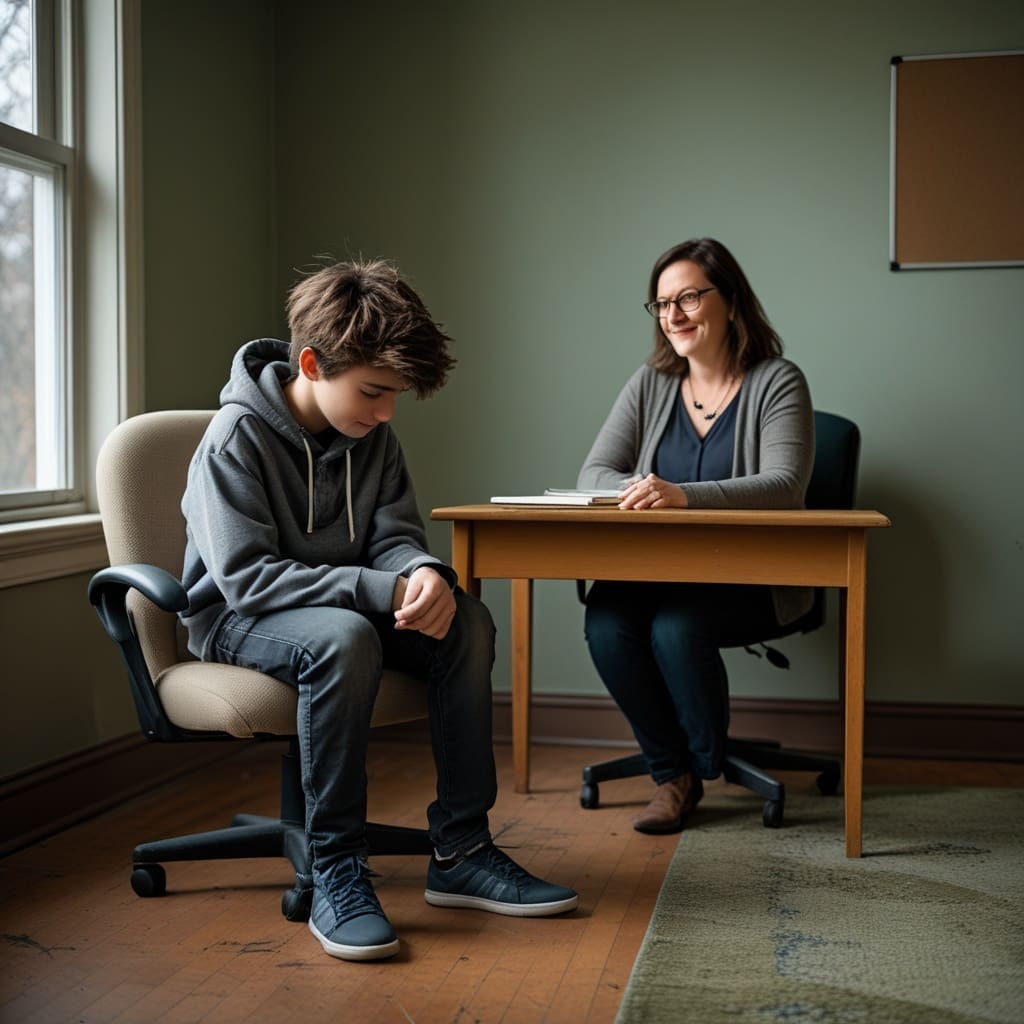
Social communication is the ability to use language, gestures, and facial expressions to connect with other people. For children with Level 1 autism, this set of skills can be genuinely
ABA Therapy Resources · Sunshine Behavioral Health Services
Our BCBA-authored blog covers everything parents need to know about ABA therapy — from understanding the basics to navigating insurance, finding the right provider, and supporting your child at home across Miami-Dade, Broward, Palm Beach, and Monroe Counties.

Social communication is the ability to use language, gestures, and facial expressions to connect with other people. For children with Level 1 autism, this set of skills can be genuinely

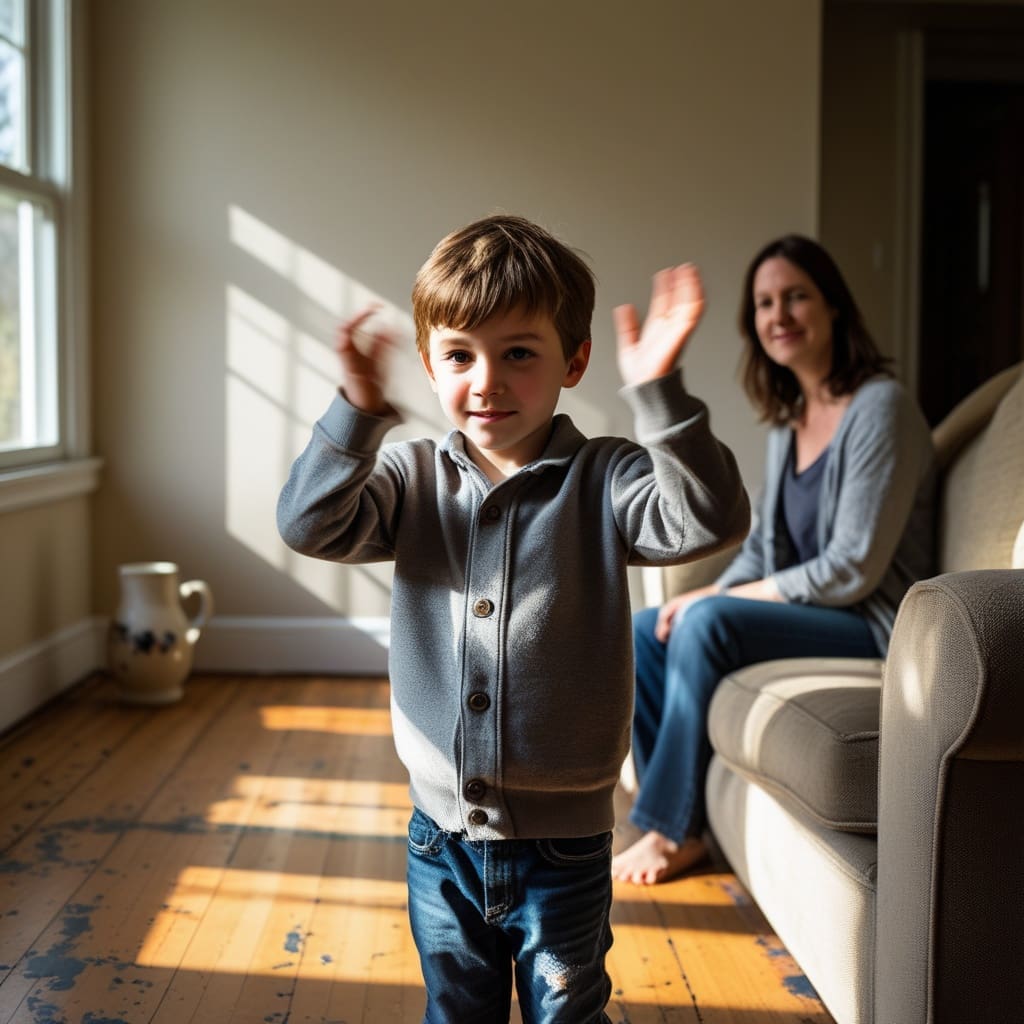
Noticing something different about your child’s social behavior or communication style can raise a lot of questions. Level 1 autism signs are often subtle, which means they can go unnoticed

Mild autism characteristics can be easy to miss. A child might seem a little quirky, overly sensitive, or slow to make friends, but nothing stands out as an obvious red

Potty training an autistic child looks different from the process most parenting books describe. Standard approaches rely on social motivation, verbal cues, and quick imitation, skills that many autistic children

Recognizing the signs of autism in adults is harder than most people expect. Many adults on the spectrum went through childhood without a diagnosis, often because their traits were subtle,

Autism symptoms in girls are real, common, and consistently missed. For decades, autism research focused almost entirely on boys, leaving girls without the tools, language, or recognition they deserved. That

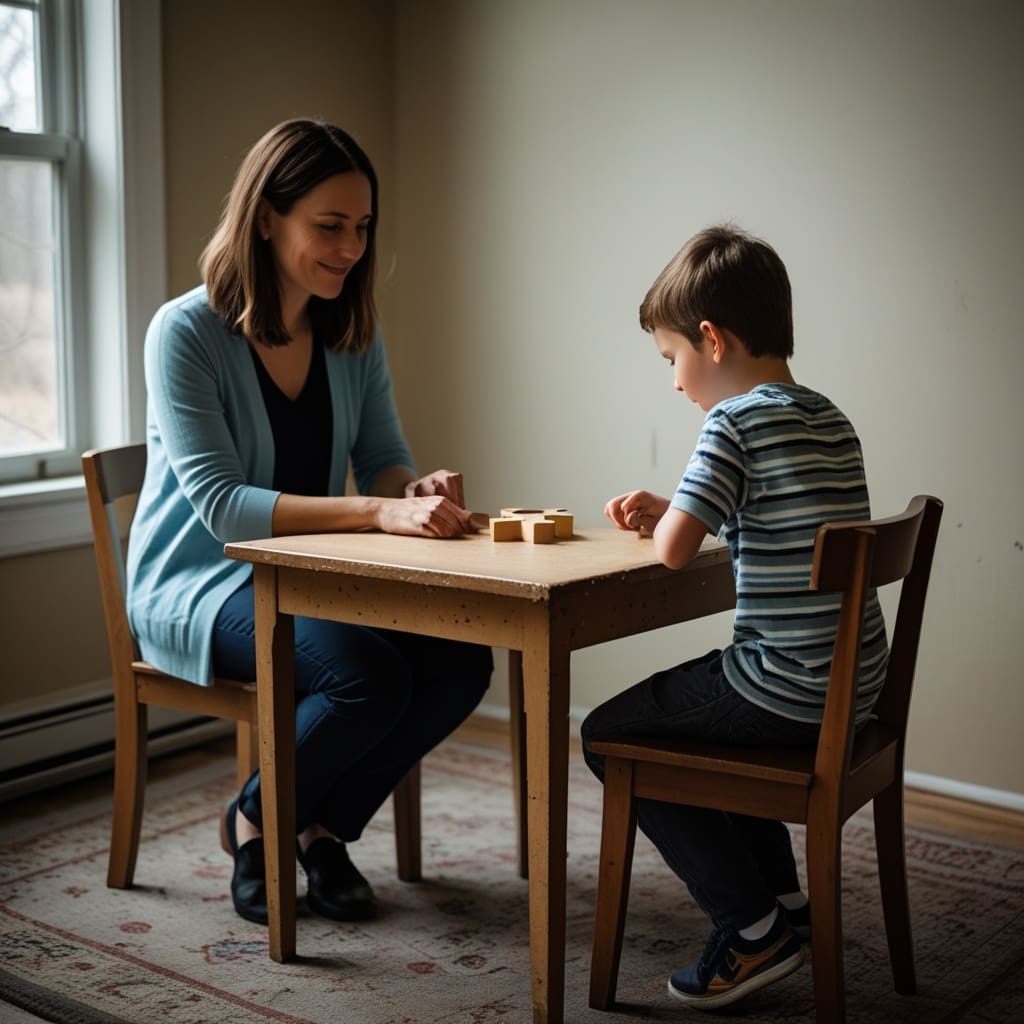
Social skills training for autism is one of the most meaningful goals a family can pursue in early intervention. Children on the autism spectrum often have the desire to connect

Level 2 autism symptoms sit in the middle of the autism spectrum. Children and adults at this level need substantial support to get through daily routines, social situations, and unexpected

Recognizing autism symptoms in toddlers early can make a real difference in your child’s development. The earlier a child receives support, the better their chances of building strong communication and

If you want to build a career helping people with autism and other behavioral challenges, learning how to become a BCBA is a great place to start. A Board Certified
Sunshine Behavioral Health Services is a YMYL health site. Every article on this blog is written or reviewed by a board-certified behavior analyst (BCBA) to ensure clinical accuracy, relevance, and practical value for families in Southeast Florida.
Start Here
ABA Therapy Basics
A plain-English guide to Applied Behavior Analysis for parents in Southeast Florida. What happens in a session, why it works, and what to expect when you start.
Early Intervention
Children who start ABA therapy between ages 2 and 5 make the most significant and lasting gains. Here is what the research says and how to get started.
What Is ABA Therapy
ABA Therapy Basics
A foundational overview of how ABA therapy works for children with autism, including the science behind behavior analysis and how therapists apply it.
ABA Therapy Basics
An in-depth guide to ABA therapy covering history, methodology, evidence base, and how modern ABA is delivered in home and school settings.
ABA Benefits
A research-backed look at what ABA therapy actually achieves — from communication gains to reduced challenging behaviors and increased independence.
ABA vs Other Therapies
How does ABA compare to speech therapy, occupational therapy, DIR/Floortime, and other approaches? A balanced look for parents weighing their options.
Is ABA Effective?
A review of the research behind ABA therapy — what the studies actually say, what outcomes families can realistically expect, and how to evaluate provider quality.
ABA Techniques
An overview of the most effective ABA techniques — discrete trial training, natural environment teaching, behavior contracts, and more — explained for parents.
By Age Group
Ages 0–5
Everything parents of toddlers need to know about starting ABA therapy early — what to expect, how sessions work, and why the toddler years matter most.
Ages 2–5
How ABA therapy supports preschool-age children with autism — communication, play skills, pre-academic readiness, and school transition planning.
Ages 6–12
A comprehensive guide to school-based and in-home ABA therapy for children ages 6 to 12 — IEP coordination, classroom support, and behavior management.
Ages 13–21
How ABA therapy evolves for teenagers — independence, social skills, vocational readiness, and community participation for young adults with autism.
Age Comparison
How ABA therapy goals, intensity, and techniques differ between toddlers and school-age children — and why the approach must adapt as your child grows.
For Parents
For Parents
Practical strategies for reinforcing ABA techniques at home every day. When parents apply the same methods as therapists, children progress significantly faster.
Finding a Provider
The questions every parent should ask before choosing an ABA provider — credentials, supervision, progress reporting, and what red flags look like.
Signs to Watch
Many families wait too long before seeking ABA therapy. Here are the behavioral signs that suggest your child could benefit from an evaluation.
When to Start
Evidence-based guidelines on the best age to start ABA therapy, how to get a referral, what the intake process looks like, and how to minimize wait times.
Duration
Parents want to know how long their child will need ABA therapy. Here is an honest, evidence-based answer covering intensity levels, progress milestones, and graduation.
Who Benefits
ABA therapy is not only for autism. Children with ADHD, developmental delays, intellectual disabilities, and anxiety also benefit from ABA-based interventions.
Insurance
Insurance
A complete guide to ABA therapy insurance coverage in Florida — which plans cover it, how to get authorized, what Medicaid covers, and how to handle denials.
Clinical Resources
Clinical
What is a Functional Behavior Assessment, why it matters before starting ABA therapy, and what parents should expect during the FBA process.
Clinical
A parent-friendly explanation of what evidence-based means in ABA therapy and how to evaluate whether a provider is using research-backed techniques.
Clinical
An honest overview of the benefits and limitations of ABA therapy for children with autism — including common concerns and how modern ABA addresses them.
Clinical
Addressing the most common myths and misunderstandings about ABA therapy — from concerns about rigidity to questions about autonomy and child-centered practice.
Clinical
A detailed look at how ABA therapy specifically supports children with autism — communication, social skills, adaptive behavior, and reducing challenging behaviors.
Clinical
How ABA therapy targets adaptive living skills — self-care, household tasks, community safety, and independence — for children and young adults with autism.
Clinical
Everything you need to know about receiving ABA therapy at home — what sessions look like, how the environment is set up, and what outcomes to expect.
BCBA
A clear explanation of what a BCBA is, what they do, what their credentials mean, and why BCBA supervision is the standard for quality ABA therapy.
BCBA
A complete guide to BCBA supervision hour requirements, how to find a qualified supervisor, and what the experience hours process looks like.
Reading about ABA therapy is a great first step. The next one is a free conversation with our team. We serve families across Southeast Florida and verify insurance at no cost.