
ABA parent training is a structured clinical service in which a Board Certified Behavior Analyst (BCBA) coaches parents on how to use behavior-change strategies with their child between therapy sessions. It's billed and documented under its own CPT code, 97156, which covers caregiver guidance sessions of roughly 15 minutes each, not a casual tip sheet or one-time meeting. Autism Speaks' State of the States report shows all 50 states now require some form of autism therapy coverage, and many plans reimburse caregiver training as its own medically necessary service. That matters because a child in ABA therapy for 10 to 20 hours a week still spends far more time at home, school, and out in the community, and those hours shape progress just as much as sessions with a therapist.
Key Takeaways
- ABA parent training is a billable, clinician-led service, typically coded as CPT 97156, not an informal add-on to therapy.
- Sessions usually run 30 to 60 minutes and occur once or twice per week during active treatment phases.
- Out-of-pocket costs generally range from $100 to $250 per session without insurance, though most state-mandated autism benefits cover it in full or in part.
- Programs typically last 3 to 6 months for a specific skill focus, though many families continue periodic sessions for a year or longer.
- Research published through outlets like the Journal of Applied Behavior Analysis links caregiver involvement to faster skill generalization and lower rates of regression between clinic visits.
What Is ABA Parent Training, Exactly?
ABA parent training is a defined clinical service where a BCBA teaches caregivers the same behavior-analytic techniques their child’s therapy team uses, such as prompting, reinforcement schedules, and data collection, so those techniques carry over into daily routines. The Behavior Analyst Certification Board (BACB), which oversees credentialing for the field, lists caregiver training as a core competency area within its current Test Content Outline for the BCBA exam, underscoring that this is not an optional extra but a professional obligation built into ethical ABA practice. A Registered Behavior Technician (RBT) may assist with modeling techniques during a session, but the BCBA typically designs the training plan, tracks outcomes, and adjusts strategies as the child’s needs shift.
This distinction matters because it separates parent training from general advice-giving. A pediatrician or school counselor might offer helpful suggestions about managing tantrums, but ABA parent training involves an individualized, data-driven plan tied directly to the goals already written into the child’s treatment plan.
How Does the Structured Coaching Model Work?
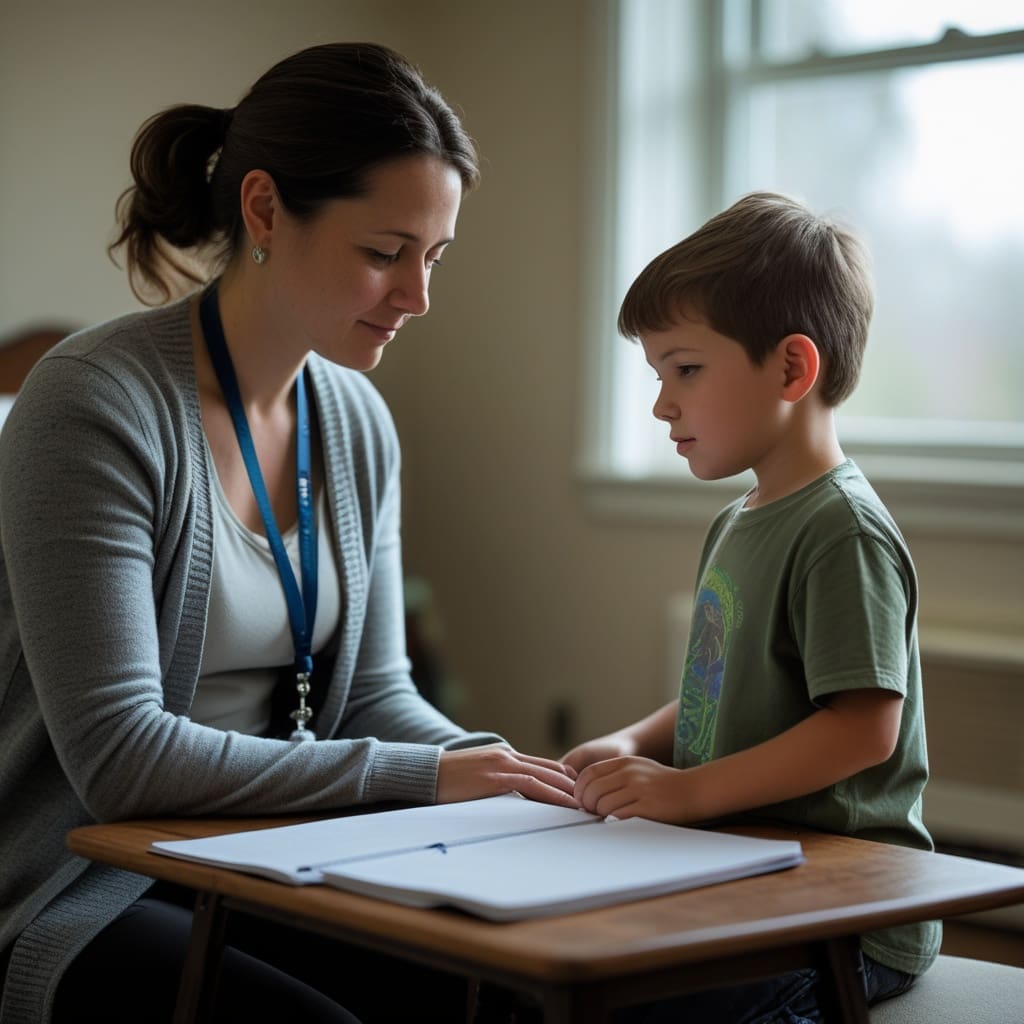
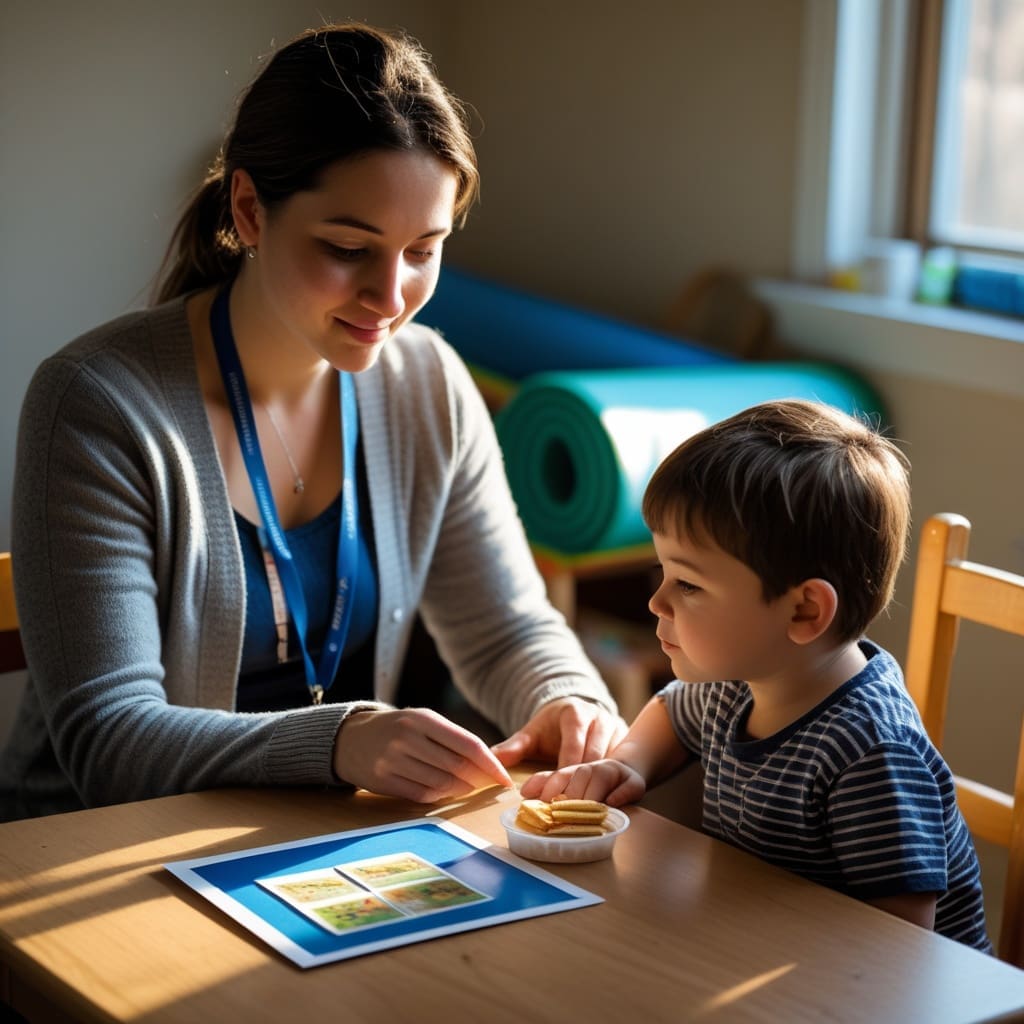
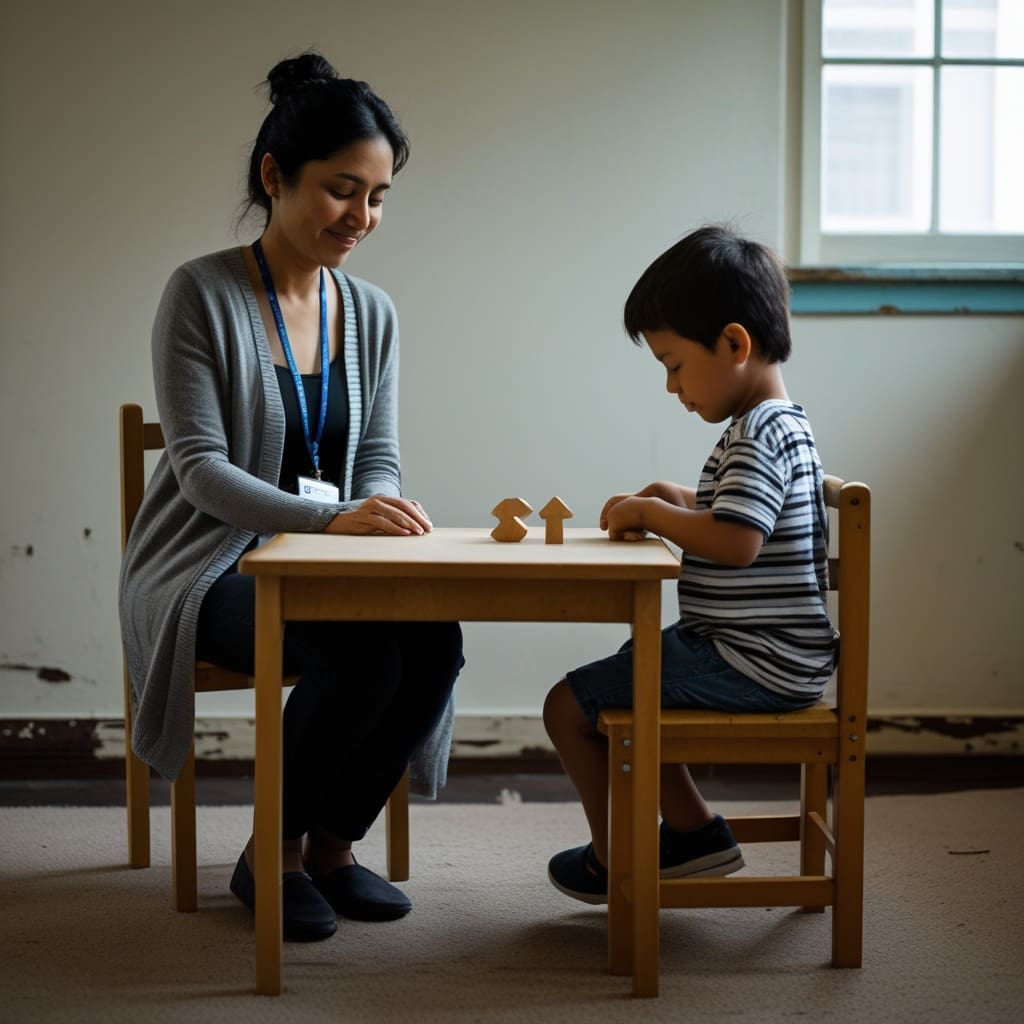
Formal caregiver training follows a repeatable cycle rather than a single conversation. The BCBA first observes how the caregiver currently responds to a target behavior, whether that is a meltdown at bedtime or refusal to follow a two-step instruction, and identifies specific gaps between that response and the strategy used in clinic sessions. From there, the clinician introduces one or two techniques at a time, models them directly with the child present, and has the caregiver practice with real-time feedback.
Many providers, including the structured coaching model behind formal parent training sessions, build this into a recurring schedule rather than a single workshop, because behavior skills need repetition to stick. A parent who learns a reinforcement technique once in a 45-minute session rarely retains it under the stress of a real tantrum three days later. Repeated coaching across several weeks, with the clinician adjusting based on what worked and what did not, produces far more reliable results.
What Happens During a Typical Parent Training Session?
A standard session follows a fairly consistent sequence, though the exact content shifts based on the child’s current goals. Most agencies structure sessions around this general framework:
- Review (5 to 10 minutes): The BCBA checks in on how the previously taught strategy went at home, using data the parent tracked during the week.
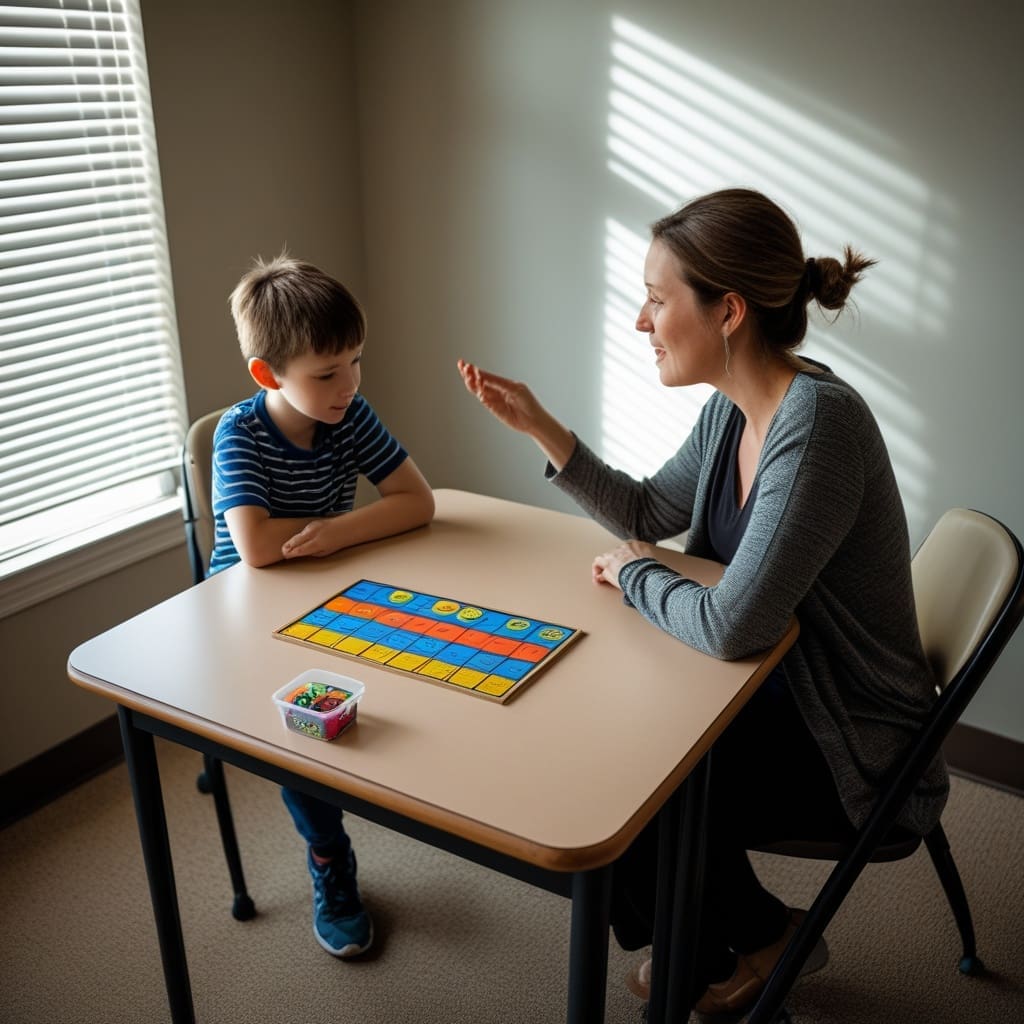
- Skill demonstration (10 to 15 minutes): The clinician models the target technique directly with the child, narrating each step out loud.
- Guided practice (10 to 20 minutes): The parent tries the same technique while the BCBA observes and offers immediate correction.
- Data review and adjustment (5 to 10 minutes): The session closes with a brief plan for the coming week, including any changes to reinforcement schedules or prompting levels.
Total session length usually falls between 30 and 60 minutes, and many clinics bill this in four to six 15-minute units of CPT 97156 per visit. Sessions can happen in-clinic, in the family’s home, or over telehealth, with telehealth caregiver training becoming significantly more common since 2020 and now routinely reimbursed by major insurers.
How Much Does ABA Parent Training Cost?
Costs vary by state, provider type, and insurance coverage, but concrete ranges are available. Without insurance, a single 15-minute unit of CPT 97156 typically runs $25 to $45, meaning a full 45- to 60-minute session often costs between $100 and $250 out of pocket. With insurance, because every state now requires some level of autism-related coverage per Autism Speaks’ state insurance mandate tracker, families frequently pay only a standard copay of $20 to $50 per session, or nothing at all once a deductible is met.
- Private pay, per session: $100 to $250
- Insured, standard copay: $20 to $50 per session
- Medicaid-covered plans: often $0 out of pocket where ABA is an approved Early and Periodic Screening, Diagnostic, and Treatment (EPSDT) benefit
- Telehealth sessions: generally billed at the same rate as in-person visits under current CMS telehealth parity guidance
Families should ask providers directly whether their plan reimburses 97156 as a stand-alone service or bundles it into broader ABA treatment codes, since billing structures differ by state Medicaid program and by private payer.
How Often and How Long Does Parent Training Last?
Most treatment plans schedule caregiver training once or twice per week, matched to the intensity of the child’s overall ABA hours. A child receiving comprehensive ABA services of 20 or more hours weekly often has caregivers attend training twice weekly during the first 8 to 12 weeks, then step down to once weekly as skills stabilize. For a single, narrow goal, such as reducing mealtime refusal, a program might wrap up in 8 to 10 sessions across 2 to 3 months. Broader goals, like building an entire toilet-training routine or addressing aggression, commonly extend across 4 to 6 months of consistent coaching.
Clinics rarely treat parent training as a one-time event even after formal sessions end. Many keep a lighter monthly check-in for 6 to 12 months afterward, since skills learned under a therapist’s direct supervision can quietly erode without occasional reinforcement.
What Skills Does Parent Training Actually Teach?
Programs are individualized, but certain skill categories appear in nearly every caregiver training plan:
- Reinforcement timing: Delivering praise or a preferred item within 3 to 5 seconds of a target behavior to strengthen learning.
- Prompting hierarchies: Knowing when to use a full physical prompt versus a light verbal cue, and how to fade prompts over time.
- Data collection: Recording frequency or duration of behaviors using simple tally sheets or a mobile data app.
- Antecedent management: Adjusting the environment before a behavior occurs, such as giving a two-minute warning before transitions.
- De-escalation techniques: Responding calmly and consistently during a meltdown without accidentally reinforcing it.
Parents who master even two or three of these categories often see measurable change within four to six weeks, according to caregiver-reported outcome data cited in Autism Speaks’ family resource materials.
How Do You Reinforce ABA at Home Between Sessions?
Reinforcing ABA between formal sessions means applying the exact strategy taught in the last coaching visit, consistently, across every caregiver in the household, not just the parent who attended. Consistency across adults matters more than intensity; a child who receives a reinforcement schedule from one parent but a different response from a grandparent or babysitter tends to progress far more slowly. Simple tools like a shared behavior log, checked daily, help every adult in the home stay aligned on what strategy is currently in use.
This home-based data also feeds directly back into the clinical process. Most agencies track how home reinforcement is tracked alongside your child’s broader treatment goals, meaning the notes a parent takes during a Tuesday evening meltdown are not just for personal reference. They become part of the data the BCBA reviews before adjusting the treatment plan at the next progress review, which typically happens every 3 to 6 months.
What Does the Research Say About Parent Training Outcomes?
Caregiver involvement is consistently linked to stronger and faster treatment outcomes across published behavior-analytic research. Studies featured in the Journal of Applied Behavior Analysis have repeatedly found that skills taught in a clinic generalize to the home environment far more reliably when caregivers receive direct coaching rather than passive instructions. The Centers for Disease Control and Prevention’s Autism and Developmental Disabilities Monitoring Network reported in its most recent surveillance data that autism now affects approximately 1 in 31 children in the United States, a rise that has increased demand for scalable, caregiver-inclusive treatment models capable of extending limited clinician hours further into each child’s daily life.
Parent coaching for autism also appears to reduce caregiver stress itself. Families who receive structured training report greater confidence managing difficult behaviors independently, according to survey data referenced in Autism Speaks’ caregiver well-being research, which in turn supports more consistent follow-through at home.
Ready to Get Started With Formal Parent Training?
Discuss caregiver training directly with your child’s BCBA if it has not already been built into the treatment plan, since it is a billable, clinically recognized service rather than an optional bonus. Ask specifically how many sessions are recommended, which CPT codes will be billed, and how progress will be measured over the next 90 days. A clear answer to those three questions is a strong sign the provider treats parent training as seriously as direct therapy hours.
Frequently Asked Questions
Is ABA parent training the same thing as regular ABA therapy sessions?
No, parent training is a distinct service focused on coaching caregivers rather than delivering direct intervention to the child. It is typically billed under a separate CPT code, most often 97156, and scheduled alongside, not instead of, the child’s direct therapy hours.
How many parent training sessions does insurance usually cover?
Coverage limits vary by plan, but many insurers authorize 1 to 2 sessions weekly, often capped around 20 to 30 sessions per authorization period. Since all 50 states require some autism therapy coverage, most families can confirm exact session limits by calling the number on their insurance card and asking specifically about CPT 97156 authorization.
What if my child’s other caregiver, like a grandparent or nanny, cannot attend training sessions?
Ask the BCBA to include a brief written summary or short video demonstration after each session so other caregivers can stay consistent. Many clinics already build this into their process, since inconsistent application across caregivers is one of the most common reasons progress stalls.
Can parent training happen over telehealth instead of in person?
Yes, telehealth caregiver training is widely offered and billed the same as in-person sessions under current insurance guidance. It works especially well for reviewing data and troubleshooting strategies, though some clinicians still recommend at least occasional in-person sessions for hands-on modeling.
How long before I see results from ABA parent training at home?
Many families notice small, measurable changes within 4 to 6 weeks of consistent application, though full skill mastery often takes 3 to 6 months. Progress speed depends on how consistently the strategy is applied across every caregiver in the home, not just how many sessions have taken place.
Conclusion
ABA parent training turns caregivers into active partners in the treatment process rather than passive observers of their child’s therapy. With clear session structures, defined billing codes like CPT 97156, and documented links to faster skill generalization, it stands as one of the more evidence-backed components of a comprehensive ABA program. Talking with your child’s BCBA about a formal caregiver training plan, rather than relying on occasional tips, is one of the most direct ways to extend therapy’s impact into everyday life at home.
Think about what a typical week looks like without this piece in place. A child might make progress in a clinic or during a therapist’s home visit, then lose ground over the weekend because no one at home knows how to prompt the same skill or respond to the same behavior the same way. Structured parent training closes that gap. A parent learns exactly how to prompt a request at the dinner table, how to reinforce a calm response during a meltdown, or how to run a short teaching trial while getting a child dressed in the morning. Those small, repeated moments add up faster than clinic hours alone ever could.
Before your next appointment, write down two or three specific situations at home that feel hardest to manage. Bring that list to your BCBA and ask how a formal training plan could target those exact moments. Ask about session frequency, what data will be tracked, and how progress gets measured over time. A concrete plan, built around your family’s real routines, will always outperform general advice picked up in passing.