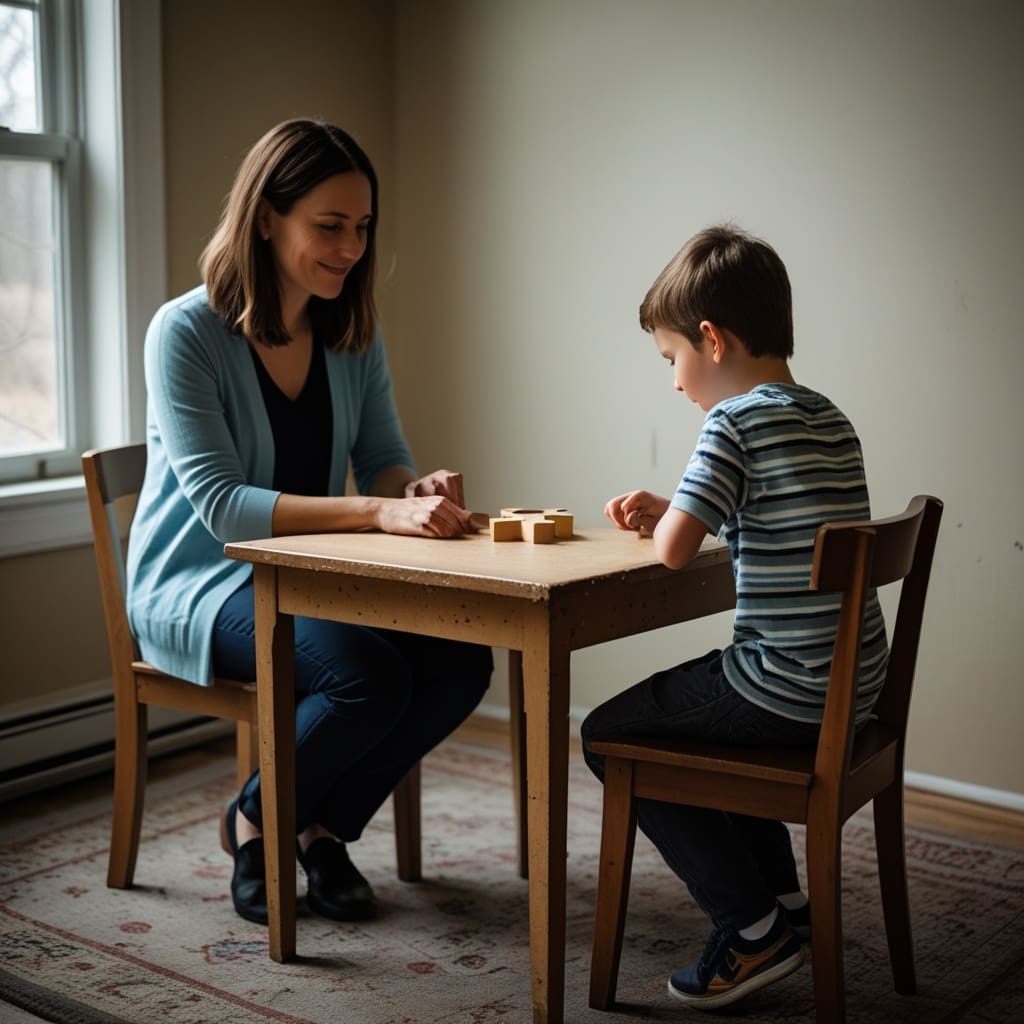

An ABA therapy evaluation is a structured assessment where a Board Certified Behavior Analyst (BCBA) observes your child, interviews caregivers, and uses standardized tools to measure skills, behaviors, and developmental needs before treatment begins. The process typically spans two to eight hours, sometimes split across multiple sessions, and forms the foundation for every goal written into your child’s treatment plan. Most families complete this step within one to three weeks of their intake call. According to the CDC’s Autism and Developmental Disabilities Monitoring Network, roughly 1 in 31 children in the United States is now identified with autism spectrum disorder, a trend that has made thorough, individualized evaluation more important than ever for matching each child to the right level of care.
Key Takeaways
- An initial ABA evaluation generally takes two to eight hours and may be split into two separate visits.
- The evaluation is billed under Current Procedural Terminology (CPT) code 97151 and is a required step for insurance authorization in most states.
- A licensed BCBA leads the assessment, often supported by a Board Certified Assistant Behavior Analyst (BCaBA) or registered behavior technician (RBT).
- Standardized tools such as the VB-MAPP, ABLLS-R, and AFLS are commonly used alongside direct observation and caregiver interviews.
- Out-of-pocket costs for the evaluation alone typically range from $200 to $2,500, though most of this is covered when insurance is verified in advance.
- Results are turned into a written treatment plan with measurable goals, usually within one to two weeks of the evaluation.
What Is an ABA Therapy Evaluation?
An ABA therapy evaluation is a formal assessment of a child’s communication, social, motor, self-help, and behavioral skills, conducted before any therapy sessions begin. It is not a diagnostic test for autism itself. Instead, it measures where a child currently functions across dozens of skill areas and identifies behaviors that may interfere with learning, such as aggression, self-injury, or difficulty transitioning between activities.
The evaluation produces a baseline. Every future measurement of progress, whether it happens in three months or three years, gets compared back to this starting point. Without an accurate baseline, it becomes nearly impossible to prove that therapy is working, which is one reason insurance carriers require this step before authorizing ongoing sessions.
Why Is an ABA Assessment Done Before Treatment Starts?
Insurance carriers and state regulations require a documented, individualized assessment before approving ABA therapy hours, because generic treatment plans do not qualify for reimbursement. All 50 states plus the District of Columbia now have autism insurance mandates on the books, according to Autism Speaks’ State Insurance Mandate tracker, and nearly all of them tie coverage approval directly to a completed clinical assessment.
Beyond the insurance requirement, the assessment protects your child from receiving a one-size-fits-all approach. A five-year-old with strong verbal skills but severe tantrum behavior needs a very different starting plan than a nonverbal three-year-old working on basic requesting skills. The evaluation sorts out which skills to target first and in what order, based on data rather than guesswork.
What Happens During the ABA Assessment Process, Step by Step?
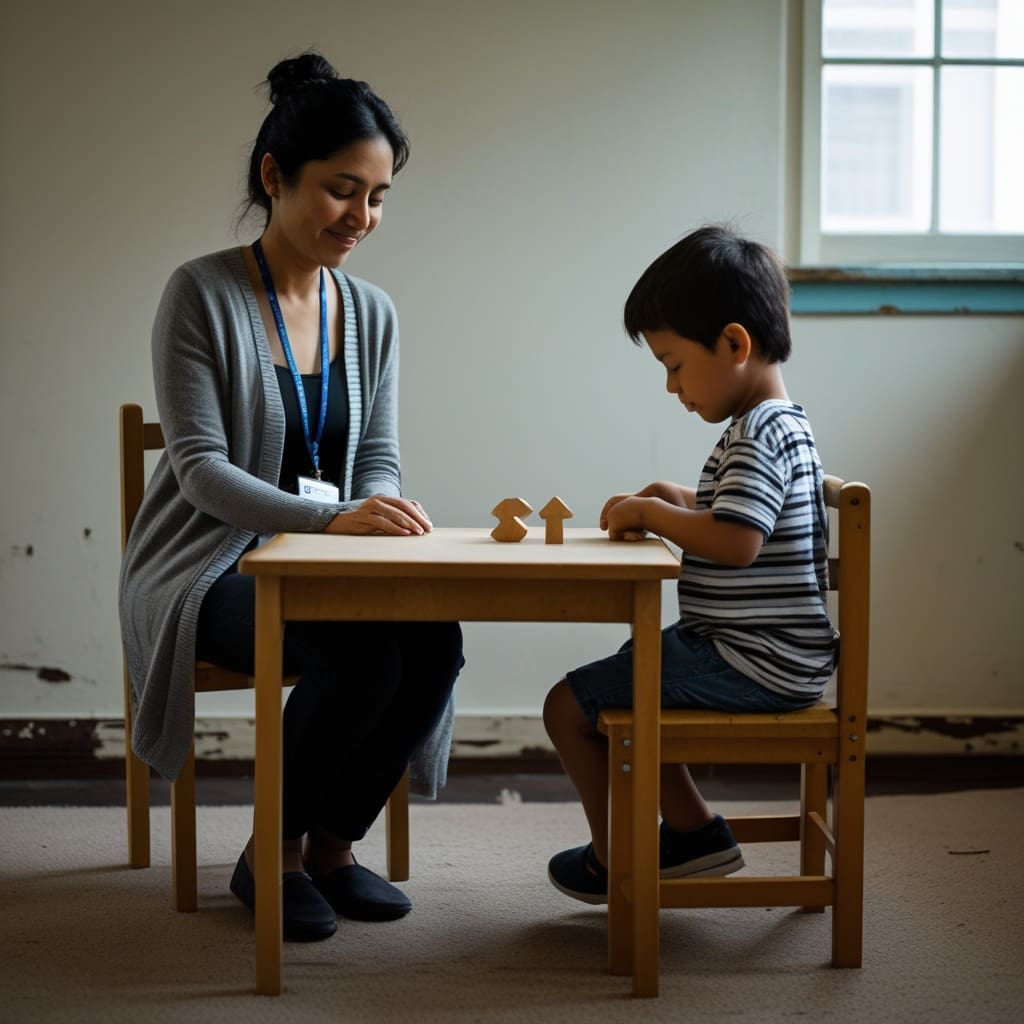
The initial ABA evaluation follows a fairly consistent sequence, though the exact order can shift depending on the clinic and your child’s age. Here is what typically happens, with realistic time estimates for each phase:
- Caregiver interview (30 to 60 minutes): The BCBA asks about developmental history, current concerns, prior diagnoses, medications, and daily routines at home and school.
- Direct observation (60 to 90 minutes): The clinician watches your child play, follow instructions, and interact with adults or peers, recording specific behaviors as they occur in real time.
- Standardized skill testing (60 to 120 minutes): Formal tools such as the VB-MAPP or ABLLS-R are administered to score language, motor, academic, and self-help skills against developmental milestones.
- Behavior sampling (30 to 60 minutes): If aggression, self-injury, or other challenging behaviors are present, the clinician gathers preliminary data on when and why these behaviors occur, which sets the stage for a deeper functional analysis later if needed.
- Record review (variable, often done outside the appointment): Prior evaluations, school reports, speech and occupational therapy notes, and medical records are reviewed to fill in gaps the direct observation cannot capture.
- Scoring and report writing (typically 3 to 7 business days): The BCBA compiles findings into a written report with recommended weekly therapy hours, usually ranging from 10 to 40 hours depending on severity.
This whole process is billed under CPT code 97151, the code insurance companies use specifically for behavior identification assessment. Most payers authorize between four and eight units of this code, with each unit representing 15 minutes, which explains why total evaluation time so often lands in that two-to-eight-hour window.
What Tools and Assessments Are Used During an ABA Evaluation?
Clinicians rely on a handful of well-established, standardized instruments rather than inventing their own criteria for every child. The three most common are:
- VB-MAPP (Verbal Behavior Milestones Assessment and Placement Program): Measures language and social skills across 170 milestones, organized into three developmental levels covering ages 0 to 48 months in typical development.
- ABLLS-R (Assessment of Basic Language and Learning Skills, Revised): Breaks down 25 skill areas, including academics, self-help, and motor skills, into more than 500 individual tasks.
- AFLS (Assessment of Functional Living Skills): Focuses on practical daily living skills such as dressing, hygiene, and community safety, often used for older children and teens.
Which tool gets used depends on your child’s age and current skill level. A nonverbal toddler is more likely to be assessed with the VB-MAPP, while a verbal ten-year-old working on independence skills might be assessed with the AFLS instead. If the initial observation reveals significant challenging behavior, the clinic may recommend a separate, more intensive functional behavior assessment afterward. That process goes well beyond the intake evaluation, and how a formal behavior assessment digs deeper once the initial evaluation is complete is worth understanding if your child’s report flags this as a next step.
How Long Will the ABA Therapy Evaluation Take?
Most initial ABA evaluations take between two and eight hours total, often split across one to three separate appointments rather than completed in a single sitting. Clinics frequently schedule the caregiver interview and observation on one day, then bring the child back within a week for standardized testing, since young children rarely tolerate more than 60 to 90 minutes of structured testing at a time.
Once all data collection wraps up, expect three to seven business days before the written report and recommended hours are finalized. Some clinics move faster, particularly if insurance requires quick turnaround for authorization, while more complex cases involving multiple co-occurring diagnoses can stretch report writing to two weeks.
How Should You Prepare for the Evaluation?
Preparation mostly comes down to paperwork and timing. Bring copies of any prior autism diagnosis reports, school individualized education programs (IEPs), speech or occupational therapy evaluations, and a current medication list if applicable. Schedule the appointment during a time of day when your child is typically well-rested and fed, since fatigue and hunger can significantly skew observation results.
On the administrative side, one step matters more than almost any other: confirming coverage before your child’s first assessment appointment. Because the evaluation is billed under a specific CPT code and most carriers require prior authorization, skipping this step can leave families with an unexpected bill or a delayed start date.
How Much Does an ABA Therapy Evaluation Cost?
Out-of-pocket costs for the initial evaluation alone typically fall between $200 and $2,500, depending on region, clinic type, and how many hours of assessment insurance authorizes. Here is a rough breakdown of what drives that range:
- In-network with insurance: Often $0 to $200 in copays or coinsurance once the CPT code 97151 authorization is approved.
- Out-of-network or self-pay: Commonly $150 to $250 per hour of clinician time, totaling $600 to $2,000 for a typical four-to-eight-hour evaluation.
- Medicaid coverage: Frequently $0 out-of-pocket in states where ABA therapy is a covered benefit under the state’s Medicaid autism waiver.
- Private-pay specialty clinics: Sometimes charge a flat evaluation fee between $500 and $2,500, particularly for clinics that include neuropsychological screening alongside the standard ABA assessment.
Full ongoing ABA therapy, separate from the evaluation itself, tends to run considerably higher, with annual costs often cited between $40,000 and $60,000 for children receiving 20 to 40 hours of weekly therapy without insurance coverage. This is precisely why confirming benefits ahead of the evaluation appointment saves families both money and stress.
What Happens After the ABA Therapy Evaluation?
Once the written report is complete, the BCBA converts the findings into an individualized treatment plan with specific, measurable goals. A goal might read something like “increase spontaneous two-word requests from a baseline of 2 per session to 15 per session within 12 weeks,” rather than a vague statement about improving communication.
The evaluation tells you where your child stands today. The treatment plan tells you exactly how the team plans to move forward from there, with concrete numbers attached to every goal.
This treatment plan then gets submitted to your insurance carrier for authorization of ongoing weekly hours, and therapy typically begins within one to three weeks of plan approval. For a closer look at how clinicians structure this next phase, including how often goals get reviewed and adjusted, it helps to understand turning evaluation findings into a personalized treatment roadmap before your family’s first therapy session.
Take the First Step Toward a Clear Plan
If your child has a recent autism diagnosis or you suspect one, scheduling an ABA therapy evaluation is the concrete next step toward getting real answers instead of guesswork. Reach out to a licensed ABA provider to confirm your insurance benefits and get an evaluation appointment on the calendar, since earlier intervention consistently correlates with stronger long-term outcomes according to multiple studies tracked by the National Institute of Mental Health.
Start by making a short list of providers in your area, then call each one with the same set of questions. Ask whether they accept your insurance plan, how long their waitlist runs, and whether the evaluating clinician is a Board Certified Behavior Analyst (BCBA) with experience in your child’s age group. Some clinics can schedule an evaluation within a week or two, while others in high demand areas may have a wait of a month or more, so calling multiple providers at once puts you in the best position to get seen quickly.
Before your intake call, gather a few documents that speed up the process: your child’s autism diagnosis report, any prior speech or occupational therapy notes, and your insurance card. Having these ready means the provider can start benefit verification the same day instead of chasing paperwork for a week. It also helps to write down two or three specific concerns you want addressed, whether that’s tantrums during transitions, limited language, or trouble with toilet training, so the evaluator knows where to focus.
Once the evaluation is scheduled, treat it like any other medical appointment on your calendar, not something you’ll get around to eventually. Set a reminder, block off the time, and plan for the visit to run one to three hours depending on your child’s needs. Taking this step now, rather than waiting for a “better time,” is what turns a diagnosis into an actual treatment plan with measurable goals.
Frequently Asked Questions
Do I need a doctor’s referral before scheduling an ABA evaluation?
Most insurance plans require a referral or diagnosis letter from a pediatrician, developmental pediatrician, or psychologist. Some states allow ABA providers to accept a suspected diagnosis while formal testing is still in progress, but confirming this with your specific carrier avoids delays.
Can my child fail an ABA evaluation?
No, there is no pass or fail outcome for an ABA evaluation. The assessment simply documents current skills and behaviors so the team can set an accurate starting point, regardless of how advanced or delayed those skills happen to be.
Will my child be evaluated again after therapy starts?
Yes, most insurance plans require a reassessment every six months using the same standardized tools. This reassessment tracks progress against the original baseline and determines whether weekly hours should increase, decrease, or stay the same.
What if my child has a meltdown during the evaluation?
A meltdown during the evaluation is actually useful clinical information, not a disruption to avoid. BCBAs are trained to observe and document these moments, since they often reveal exactly the kind of behavior data the assessment is designed to capture.
How soon after the evaluation can ABA therapy actually begin?
Therapy typically begins one to three weeks after the evaluation, once insurance authorizes the treatment plan. Clinics with immediate staff availability and pre-verified insurance sometimes start sessions within a week of the report being finalized.
Conclusion
An ABA therapy evaluation is not a formality to rush through. It sets the baseline, satisfies insurance requirements, and gives your child’s care team the specific data needed to build a plan that actually fits their needs rather than a generic template. Expect two to eight hours of assessment time, a written report within about a week, and a treatment plan with clear, measurable goals shortly after. Knowing what to expect at each stage, from the caregiver interview to the final report, makes the whole process feel far less overwhelming when your family walks through that first appointment.