

A BCBA, or Board Certified Behavior Analyst, is a graduate-level healthcare professional who specializes in understanding and changing human behavior. BCBAs design, implement, and monitor treatment programs rooted in applied behavior analysis (ABA). They work most commonly with children diagnosed with autism spectrum disorder (ASD), but their scope extends to adults with developmental disabilities, brain injuries, substance use disorders, and organizational behavior management.
If you’ve encountered the term “BCBA” through an autism diagnosis, a school recommendation, or a career search, you probably have a cascade of questions. What exactly do they do day to day? How do they differ from therapists or psychologists? What does it take to become one? This guide answers all of that and more.
Key Takeaways
- BCBA stands for Board Certified Behavior Analyst — a master’s-level credential issued by the Behavior Analyst Certification Board (BACB) that qualifies professionals to design and oversee ABA programs.
- BCBAs are not therapists in the traditional sense — they focus on observable, measurable behavior change using data-driven methods rather than talk therapy or counseling.
- Becoming a BCBA requires a master’s degree, supervised fieldwork, and passing the BCBA exam — the process typically takes 2 to 3 years after a bachelor’s degree.
- Average BCBA salaries range from $70,000 to $102,000 annually — with geographic location, setting, and experience significantly affecting compensation.
- BCBAs supervise Registered Behavior Technicians (RBTs) and BCaBAs — they don’t usually deliver direct therapy themselves but oversee those who do.
- Demand for BCBAs continues to outpace supply — the BACB reports consistent double-digit annual growth in new certificants, yet waitlists for ABA services remain long across most states.
What Does BCBA Stand For and What Does It Mean?
Quick Answer: BCBA stands for Board Certified Behavior Analyst. It’s a professional certification from the Behavior Analyst Certification Board (BACB) that signals a master’s-level clinician is qualified to assess behavior, design interventions, and supervise ABA service delivery.
The BACB is the credentialing body that sets the standards. Think of the BACB like a licensing board for behavior analysts. They determine the education, experience, and exam requirements a person must meet before earning the BCBA credential.
The “board certified” part matters. It means the individual passed a standardized exam, met specific graduate coursework requirements, and completed supervised fieldwork hours. It’s not a self-assigned title or a certificate of completion from a weekend workshop.
BCBA vs. “Behavior Analyst” Without Certification
Anyone can technically call themselves a behavior analyst in some states, because licensure laws vary. A BCBA, however, has verified, standardized credentials. In states with licensure laws for behavior analysts, practicing without the BCBA credential (or an equivalent) can be illegal.
Currently, most U.S. states have licensure or registration requirements for behavior analysts. These laws almost always reference the BCBA credential as the qualifying standard.
What Does a BCBA Actually Do on a Daily Basis?
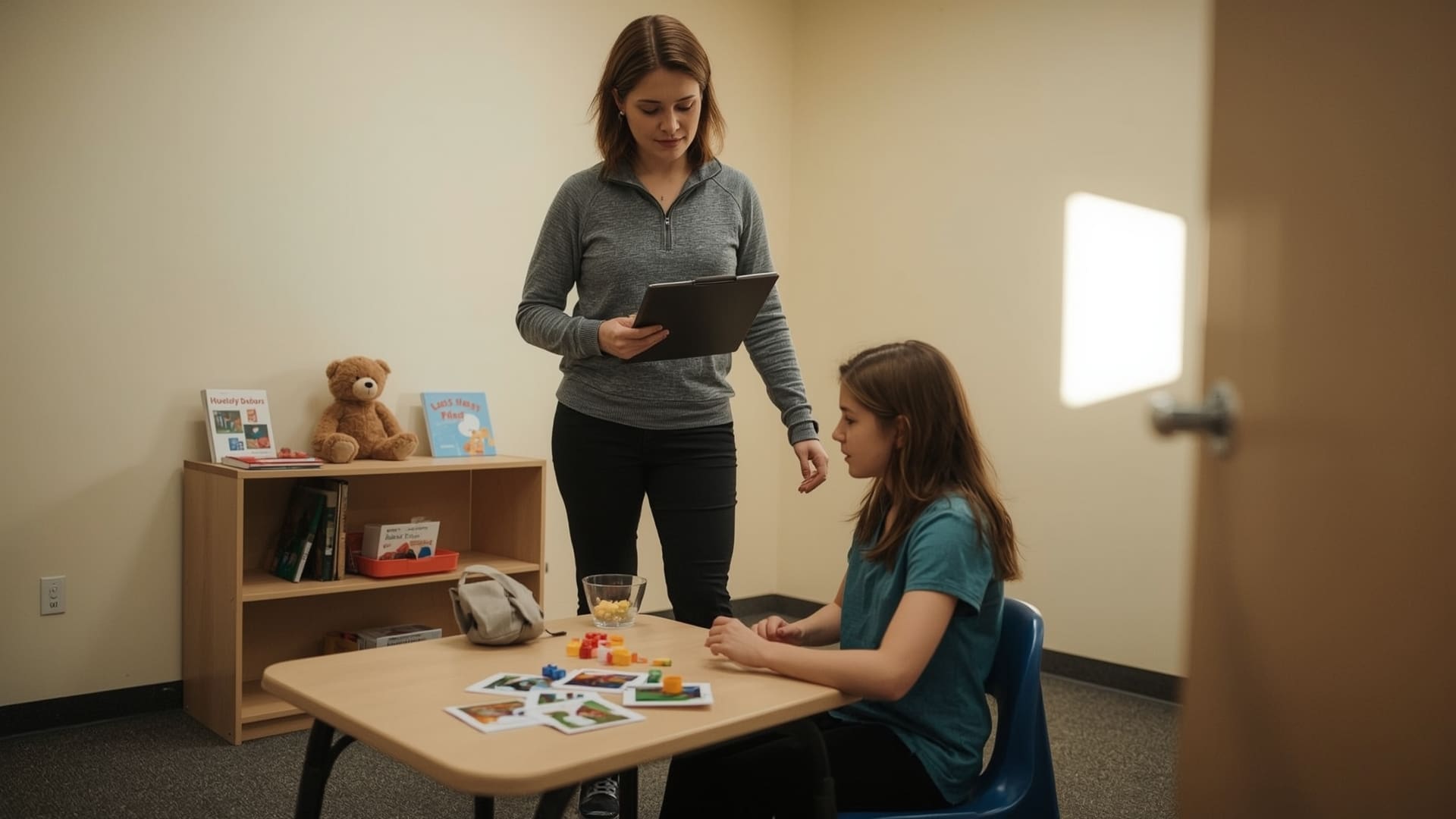
Quick Answer: BCBAs assess behavior problems, write treatment plans, train caregivers, supervise therapy staff, analyze data from sessions, and adjust programs based on client progress. Most of their day involves clinical oversight rather than direct one-on-one therapy.
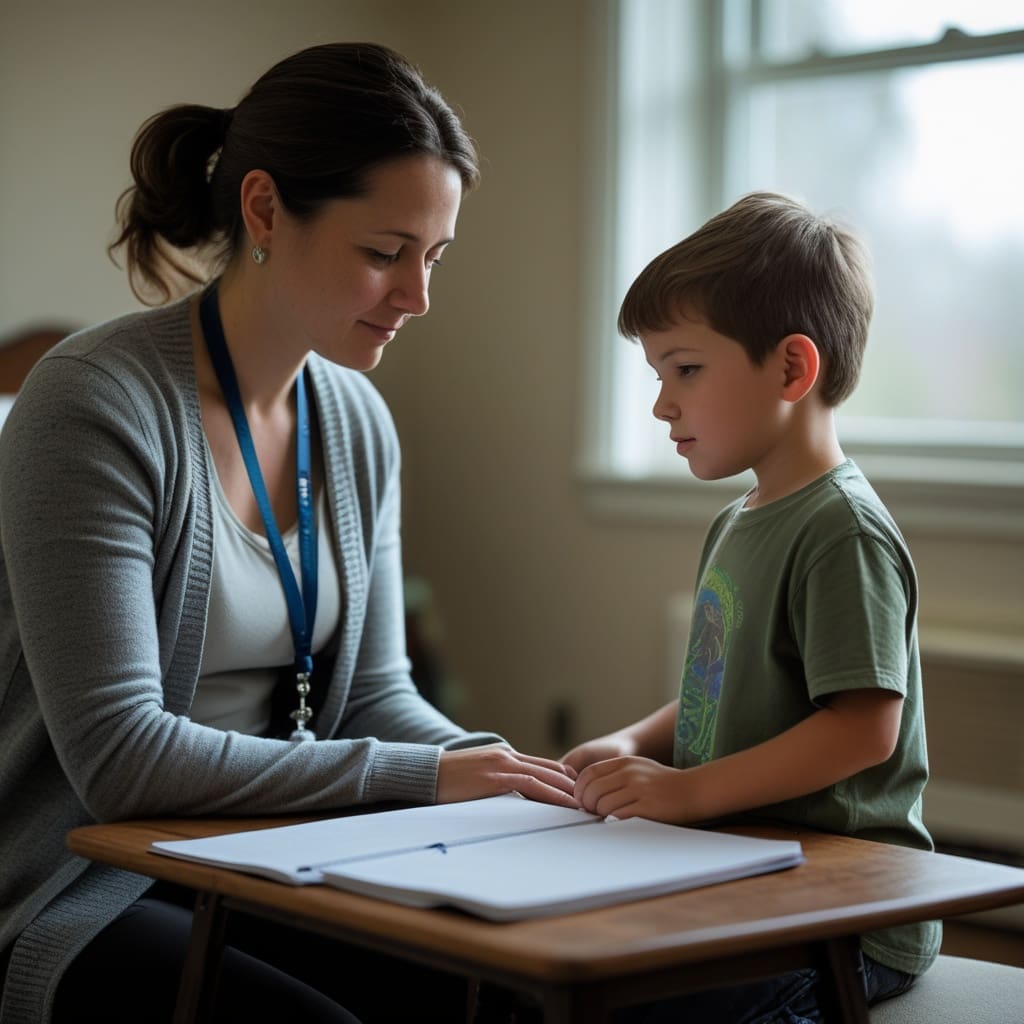
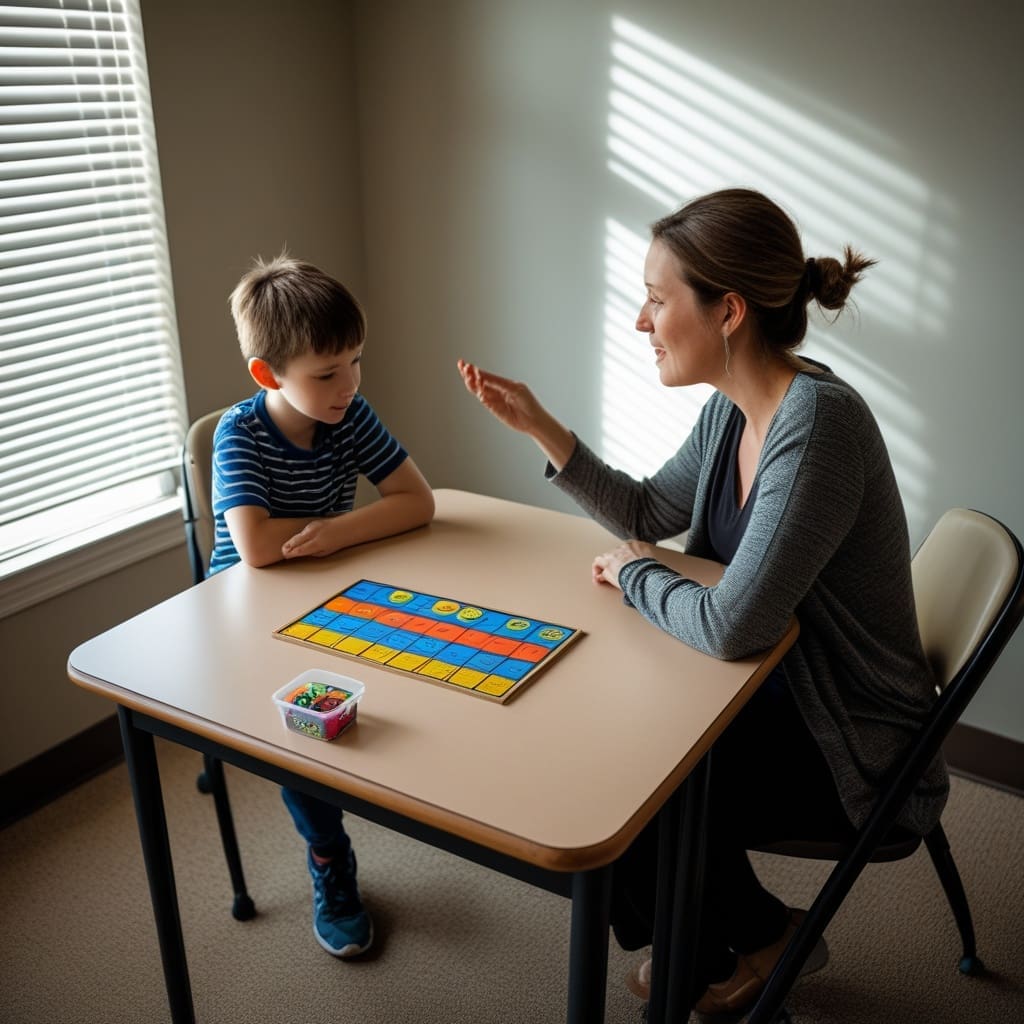
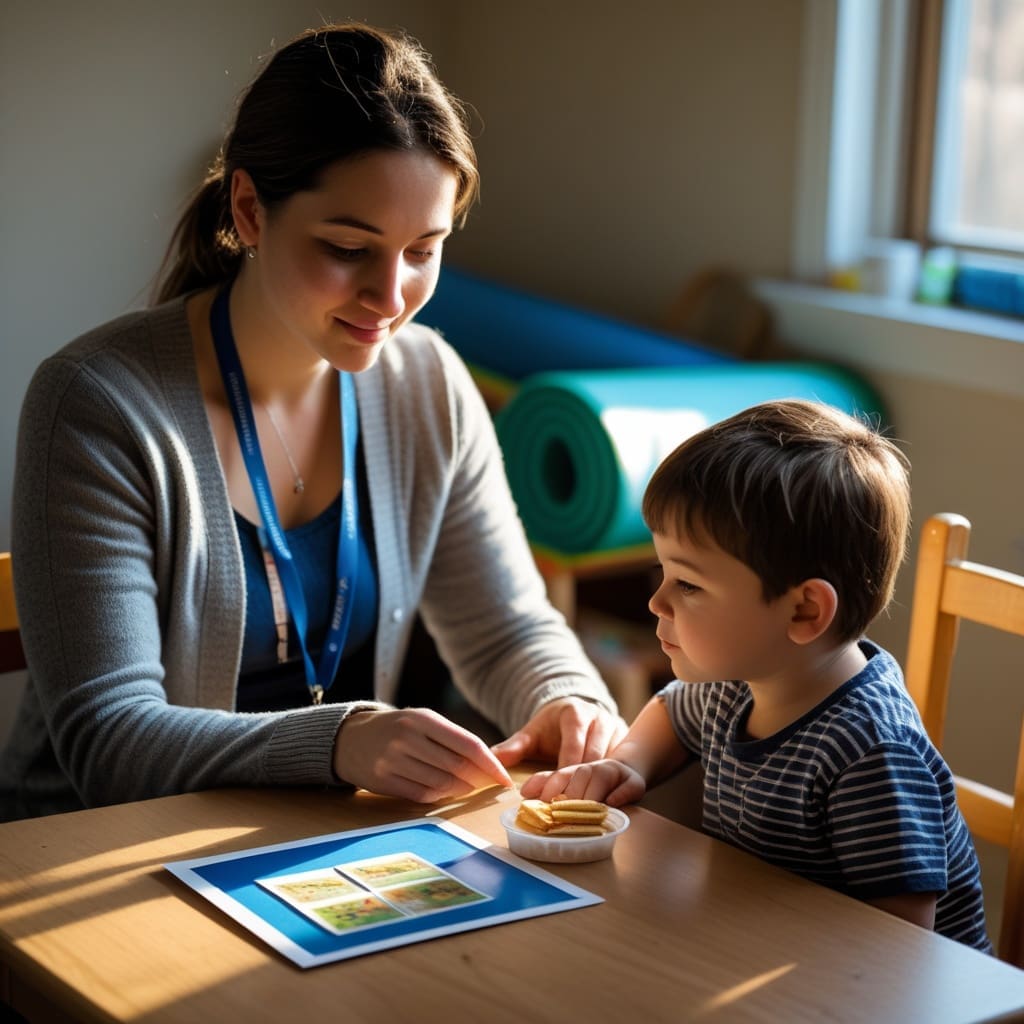
The common misconception is that BCBAs sit on the floor doing therapy with kids all day. In reality, that’s the role of the Registered Behavior Technician (RBT). The BCBA is more like the architect and project manager of a client’s treatment.
Assessment and Evaluation
BCBAs conduct functional behavior assessments to figure out why a behavior is happening. They also run skills assessments (like the VB-MAPP or ABLLS-R) to identify what a client can and cannot do. These assessments become the foundation for every treatment goal.
Treatment Planning and Program Design
Using assessment data, BCBAs create individualized treatment plans. These plans spell out the specific goals, teaching procedures, and criteria for mastery. A treatment plan for a 4-year-old with limited verbal skills looks completely different from one designed for a teenager with aggressive behavior at school.
Supervision of Direct Staff
BCBAs oversee the people who deliver therapy directly. They observe sessions, give feedback, model techniques, and ensure treatment fidelity. Treatment fidelity means the therapy is being delivered exactly as the plan describes. Without it, outcomes suffer.
Caregiver Training
Teaching parents, teachers, and other caregivers how to reinforce skills and manage behaviors is a huge part of the BCBA role. Research consistently shows that caregiver involvement accelerates client progress. A BCBA might train a parent to use specific prompting strategies during mealtime or teach a classroom aide how to implement a token economy.
Data Analysis and Program Modification
BCBAs review data from every therapy session. They graph progress, look for trends, and make data-based decisions about whether to continue, modify, or discontinue a program. This data-driven approach is what separates ABA from many other behavioral health services.
Where Do BCBAs Work?
Quick Answer: BCBAs work in homes, clinics, schools, hospitals, residential facilities, and corporate settings. The most common employment settings are ABA therapy clinics and in-home service delivery for children with autism spectrum disorder.
BCBA Employment Settings
| Setting | Typical Population Served | Common Activities | Approximate % of BCBAs |
|---|---|---|---|
| ABA Clinic | Children with ASD, ages 2–12 | Direct oversight, staff supervision, parent training | 35–40% |
| In-Home Services | Children and adults with ASD/developmental disabilities | Naturalistic teaching, caregiver coaching, behavior reduction | 25–30% |
| Public/Private Schools | Students with IEPs or 504 plans | Consultation, FBAs, behavior intervention plans | 10–15% |
| Hospitals/Rehabilitation Centers | Brain injury patients, feeding disorders | Behavioral protocols, staff training | 5–8% |
| Organizational Behavior Management | Corporate employees | Performance improvement, safety protocols | 3–5% |
| University/Research | Graduate students, research participants | Teaching, publishing, clinical research | 5–7% |
The autism services sector accounts for the vast majority of BCBA positions. However, the field is expanding into gerontology (working with aging populations), substance abuse treatment, and even sports performance coaching.
How Is a BCBA Different From an RBT or BCaBA?
Quick Answer: RBTs are paraprofessionals who deliver direct therapy under supervision. BCaBAs hold a bachelor’s-level credential and work under BCBA oversight. BCBAs are the highest non-doctoral ABA credential and can practice independently in most states.
The ABA field has a clear credential hierarchy. Understanding where each role fits helps parents, employers, and aspiring professionals make informed decisions.
ABA Credential Comparison
| Credential | Education Required | Supervision Needed | Can Design Treatment Plans | Average Salary Range |
|---|---|---|---|---|
| RBT (Registered Behavior Technician) | High school diploma + 40-hour training | Yes, ongoing by BCBA/BCaBA | No | $33,000–$47,000 |
| BCaBA (Board Certified Assistant Behavior Analyst) | Bachelor’s degree + coursework | Yes, by a BCBA | Yes, under BCBA oversight | $45,000–$62,000 |
| BCBA (Board Certified Behavior Analyst) | Master’s degree + coursework | No (independent practice) | Yes | $70,000–$102,000 |
| BCBA-D (Doctoral level) | Doctorate + coursework | No | Yes | $90,000–$130,000+ |
The registered behavior technician role is where most people enter the field. RBTs spend their days implementing the programs that BCBAs create. It’s hands-on, direct client work. BCaBAs sit between RBTs and BCBAs. They can assist with assessment and program design, but a BCBA must review and approve their work.
What Education Do You Need to Become a BCBA?
Quick Answer: You need a master’s degree in behavior analysis, education, or psychology from a BACB-approved program. The degree must include a verified course sequence (VCS) covering specific ABA content areas like ethics, measurement, and experimental design.
The BACB updated its education requirements for certification eligibility. Candidates applying after January 2025 must have completed their coursework through a BACB-approved program, not just any master’s degree with the right courses tacked on.
Required Coursework Areas
- Ethical and professional conduct — covers the BACB’s Ethics Code for Behavior Analysts
- Concepts and principles of behavior analysis — respondent conditioning, operant conditioning, stimulus control
- Measurement, data display, and interpretation — how to quantify behavior and read data graphs
- Experimental design — single-subject research methods used in ABA
- Applied behavior analysis techniques — reinforcement, prompting, shaping, chaining, task analysis
- Behavior change procedures — interventions for skill acquisition and behavior reduction
- Personnel supervision and management — training, evaluating, and managing RBTs and other staff
Most BACB-approved master’s programs take 1.5 to 2.5 years to complete. Many are available fully online, which has made the credential accessible to people in rural areas or those switching careers.
How Many Supervised Fieldwork Hours Are Required?

Quick Answer: The BACB requires a minimum of 2,000 hours of supervised fieldwork (or 1,500 hours of concentrated fieldwork). This experience must happen under the direct oversight of a qualified BCBA supervisor and follows strict documentation requirements.
Fieldwork Pathways
| Pathway | Total Hours Required | Supervision Ratio | Typical Timeline |
|---|---|---|---|
| Standard Fieldwork | 2,000 hours | 5% supervised (min. 100 hours) | 18–24 months |
| Concentrated Fieldwork | 1,500 hours | 10% supervised (min. 150 hours) | 12–18 months |
During fieldwork, candidates practice conducting assessments, writing behavior intervention plans, training staff, and analyzing data. The supervisor observes their work, provides feedback, and signs off on their hours.
Here’s a practical reality: finding a qualified supervisor can be challenging, especially outside major metro areas. Many candidates arrange supervision through their employer (an ABA agency) or through university-affiliated practicum placements. Some candidates also use remote supervision, which the BACB allows under specific conditions.
What Counts as Supervised Fieldwork?
Not every ABA-related task qualifies. The BACB specifies that fieldwork must involve activities tied to the BCBA Task List. Examples include conducting functional behavior assessments, designing skill acquisition programs, graphing and interpreting data, and training caregivers. Administrative work like scheduling or billing does not count.
What Is the BCBA Certification Exam Like?
Quick Answer: The BCBA exam is a 160-question, multiple-choice test administered by Pearson VUE. It covers all content areas from the BCBA Task List and has a pass rate that typically falls between 55% and 65% for first-time test takers.
The exam is scenario-based. You won’t see many questions asking you to define a term. Instead, you’ll read a clinical scenario and choose the best response based on the principles of ABA and the BACB Ethics Code.
BCBA Exam Snapshot
| Attribute | Detail |
|---|---|
| Number of Questions | 160 (150 scored, 10 unscored pilot items) |
| Format | Multiple choice, computer-based |
| Time Limit | 4 hours |
| Testing Vendor | Pearson VUE |
| Cost | $125 application fee + $245 exam fee |
| Pass Rate (First Attempt) | 55–65% historically |
| Content Basis | BCBA Task List (5th edition) |
| Retake Policy | Up to 8 attempts total, with waiting periods |
A 55–65% first-time pass rate means roughly one-third to nearly half of candidates fail on their first try. Common reasons include underestimating the ethics content, relying too heavily on rote memorization, and not enough practice with scenario-based questions.
How to Prepare for the BCBA Exam
Most successful candidates use a combination of study methods. These include commercial study guides (like the Cooper, Heron, and Heward textbook), mock exams, study groups, and concentrated review of the Ethics Code. The BACB publishes a detailed task list that tells you exactly what content the exam covers.
Plan for 3 to 6 months of dedicated study. Candidates with strong academic foundations in ABA often need less time. Career changers or those from non-ABA master’s programs may need the full six months.
How Much Does a BCBA Earn?
Quick Answer: BCBA salaries typically range from $70,000 to $102,000 per year, depending on location, setting, and experience. BCBAs in private practice or high-demand states like California and Massachusetts often earn at the upper end or beyond.
Compensation varies significantly by geography. A BCBA working in rural Alabama will likely earn less than one in the San Francisco Bay Area. But cost of living also differs, so raw salary numbers don’t tell the whole story.
BCBA Salary by Experience Level
- Entry-level (0–2 years): $65,000–$78,000
- Mid-career (3–7 years): $78,000–$95,000
- Senior-level (8+ years): $90,000–$115,000
- Clinical director or practice owner: $100,000–$150,000+
BCBAs who open their own practices or contract independently can earn substantially more, though they also take on business overhead, liability insurance, and irregular income.
Factors That Influence BCBA Pay
Geographic location has the biggest impact. States with high demand and licensure requirements generally pay more. Work setting matters too. School-based BCBAs often earn less than those in clinical or home-based roles. Advanced certifications, specializations in areas like feeding disorders or verbal behavior, and bilingual abilities can all push salaries higher.
What Populations Do BCBAs Serve Beyond Autism?

Quick Answer: While autism is the most common population, BCBAs also work with individuals who have ADHD, intellectual disabilities, traumatic brain injuries, dementia, anxiety disorders, and substance use issues. Some BCBAs specialize in organizational behavior management for corporate settings.
ABA is a science of behavior, not a science of autism. The principles apply anywhere human behavior needs to be understood and changed. Here are some less common but growing BCBA specialties:
- Pediatric feeding disorders: helping children who refuse food or have extremely limited diets
- Gerontology: supporting individuals with dementia through behavioral routines and caregiver training
- Substance abuse treatment: using contingency management and behavioral contracts
- School consultation: designing classroom behavior management systems for general and special education
- Animal behavior: applying ABA principles to animal training (less common but a real niche)
- Organizational behavior management (OBM): improving employee performance, safety compliance, and workplace culture
The autism sector dominates BCBA employment because insurance mandates in all 50 states now cover early intervention services for autism. This created enormous demand. But as awareness of ABA grows, other sectors are beginning to recruit BCBAs more aggressively.
Is the BCBA Credential Worth Pursuing?

Quick Answer: For people who want a healthcare career with strong job security, competitive pay, and meaningful client impact, the BCBA credential is a strong investment. Demand far exceeds supply in most regions, and salaries reflect that scarcity.
The job market for BCBAs remains tight. The BACB reported over 67,000 active BCBAs as of late 2025, yet provider waitlists across many states stretch 6 to 12 months or longer. Families often can’t access services because there aren’t enough qualified professionals.
Pros of Becoming a BCBA
- High demand: Consistent job growth with very low unemployment in the field
- Meaningful work: Directly improving quality of life for clients and families
- Flexibility: Options for clinic, home-based, telehealth, school, or private practice work
- Advancement opportunities: Clear path to clinical director, regional director, or practice ownership
- Portable credential: The BCBA is recognized nationally and increasingly internationally
Challenges to Consider
- Emotional demands: Working with challenging behaviors and family stress can lead to burnout
- Paperwork load: Insurance documentation, treatment plans, and progress reports consume significant time
- Supervision burden: Managing multiple RBTs across several clients requires strong organizational skills
- Graduate school cost: Master’s programs typically cost $20,000–$60,000, depending on the university
Burnout is a real concern in the BCBA field. Caseloads can be heavy, and the emotional weight of supporting families in crisis adds up. The BCBAs who sustain long careers tend to set clear boundaries, pursue ongoing professional development, and work for organizations that prioritize clinician wellbeing.
What Does BCBA Supervision Look Like in Practice?
Quick Answer: BCBA supervision requirements include observing direct therapy sessions, reviewing treatment data, providing performance feedback to RBTs, and ensuring ethical compliance. The BACB mandates that BCBAs maintain ongoing supervision contacts with every RBT they oversee.
Supervision isn’t just checking in once a month. The BACB requires that each RBT receives at least 5% of their total monthly service hours as direct supervision from a BCBA. That means if an RBT delivers 120 hours of therapy in a month, their BCBA must provide at least 6 hours of supervision.
What Happens During a Supervision Session
A typical supervision session includes the BCBA observing the RBT running a program with a client, followed by feedback. The BCBA might model a technique, review data graphs together, or troubleshoot a program that isn’t producing progress. They also check for treatment fidelity to make sure the RBT is implementing procedures correctly.
Good supervision also covers professional development. BCBAs teach RBTs the “why” behind procedures, not just the “how.” This builds a stronger clinical team and better outcomes for clients.
How Do BCBAs Use Ethical Guidelines in Their Work?
Quick Answer: BCBAs follow the BACB Ethics Code for Behavior Analysts, which covers client rights, informed consent, confidentiality, professional boundaries, and the responsible use of behavior change procedures. Ethical violations can result in losing the BCBA credential.
The Ethics Code isn’t just a document BCBAs read once. It governs every clinical decision. Before implementing any behavior reduction procedure (like extinction or response cost), a BCBA must ensure less restrictive methods were tried first. Before sharing client data, proper consent must be documented.
Common Ethical Scenarios BCBAs Navigate
- Dual relationships: A BCBA cannot provide services to a family member or close friend
- Scope of competence: BCBAs must only accept cases within their training and expertise
- Least restrictive procedures: Punishment-based procedures must only follow reinforcement-based attempts
- Discontinuation of services: Ethical guidelines dictate when and how to transition a client off services
- Social media and confidentiality: Sharing client information or videos without explicit consent is a violation
The BACB investigates ethics complaints and has the authority to suspend or revoke certifications. This accountability structure gives the credential its weight.
How Does State Licensure Affect BCBA Practice?
Quick Answer: Most U.S. states require BCBAs to hold a state license in addition to their BACB certification. Licensure laws define scope of practice, title protection, and in some states, Medicaid billing eligibility for ABA services.
Having a BCBA certification alone doesn’t automatically allow someone to practice in every state. State licensure is a separate process. It usually involves submitting your BACB certification, paying a licensing fee, and completing any state-specific requirements (like jurisprudence exams or background checks).
Licensure laws also protect the title “behavior analyst.” In states with title protection, calling yourself a behavior analyst without proper credentials can result in legal consequences.
What Should Families Look for When Choosing a BCBA?
Quick Answer: Families should verify the BCBA’s active certification through the BACB registry, ask about their experience with the specific diagnosis, request details about supervision frequency, and ensure they use evidence-based approaches grounded in peer-reviewed research.
Not all BCBAs are the same. Experience level, specialty areas, and clinical philosophy vary widely. Here’s what to ask during your first meeting:
- What is your experience with my child’s specific needs? A BCBA who specializes in early learners may not be the best fit for a teenager with verbal behavior deficits.
- How often will you personally observe sessions? Look for BCBAs who observe regularly, not just sign off on paperwork.
- How do you involve caregivers? Strong BCBAs prioritize caregiver training as a core part of the treatment plan.
- Can I see examples of data collection and progress reports? Transparency with data is a hallmark of ethical, effective practice.
- What is your approach to building adaptive skills? The best BCBAs focus on teaching functional, meaningful skills rather than just reducing problem behaviors.
You can verify any BCBA’s active status through the BACB’s public certificant registry. Just search by name and confirm their certification is current and in good standing.
What Is the Future Outlook for the BCBA Profession?
Quick Answer: The demand for BCBAs is projected to keep growing as autism diagnosis rates increase, insurance mandates expand, and new application areas for ABA emerge in healthcare, education, and corporate settings.
The U.S. Bureau of Labor Statistics doesn’t track BCBAs as a separate category, but it projects 12–16% growth for substance abuse, behavioral disorder, and mental health counselors through 2032. The ABA-specific job market is growing even faster. The BACB has reported year-over-year growth of 15–20% in new certificants, and demand still outpaces that growth.
Telehealth has also expanded BCBA reach. Remote supervision, virtual caregiver training, and telehealth assessment models allow BCBAs to serve families in areas where in-person services were previously unavailable. This trend accelerated during the COVID-19 pandemic and has become a permanent feature of ABA service delivery.
International demand is growing too. Countries like the UK, UAE, Australia, and Brazil are increasingly adopting ABA frameworks and recruiting BCBA-certified professionals.
Frequently Asked Questions About BCBAs
Is a BCBA the same as a psychologist?
No. A psychologist holds a doctoral degree and can diagnose mental health conditions. A BCBA holds a master’s degree and focuses on changing observable behavior using ABA principles. They cannot diagnose conditions like autism or ADHD.
How long does it take to become a BCBA from scratch?
About 5 to 7 years total. You need a bachelor’s degree (4 years), a master’s degree with ABA coursework (1.5 to 2.5 years), and supervised fieldwork hours that often overlap with graduate school.
Can a BCBA prescribe medication?
No. BCBAs are not medical providers and cannot prescribe medication. They often collaborate with psychiatrists or pediatricians who manage medication for shared clients.
Do BCBAs only work with children?
No. While most BCBAs work with children, many serve adults with developmental disabilities, brain injuries, or behavioral health conditions. The principles of ABA apply across all age groups.
What is the difference between a BCBA and a licensed professional counselor?
A licensed professional counselor (LPC) uses talk therapy and counseling techniques to treat mental health conditions. A BCBA uses applied behavior analysis to change specific, measurable behaviors. Their training, methods, and scope of practice are fundamentally different.
Can you become a BCBA with an online master’s degree?
Yes. Many BACB-approved programs are fully online. The key requirement is that the program includes the verified course sequence and that you complete your supervised fieldwork hours separately, which must happen in person or through approved telehealth supervision models.