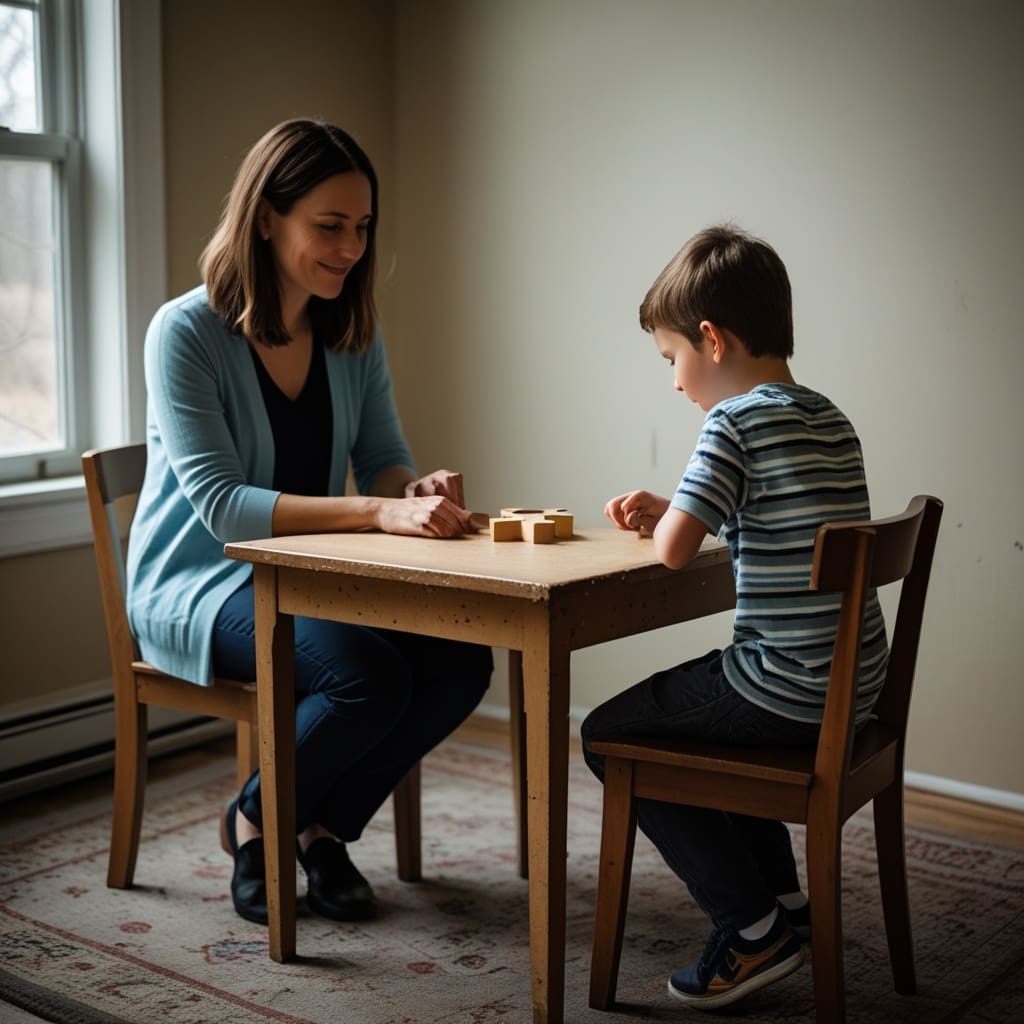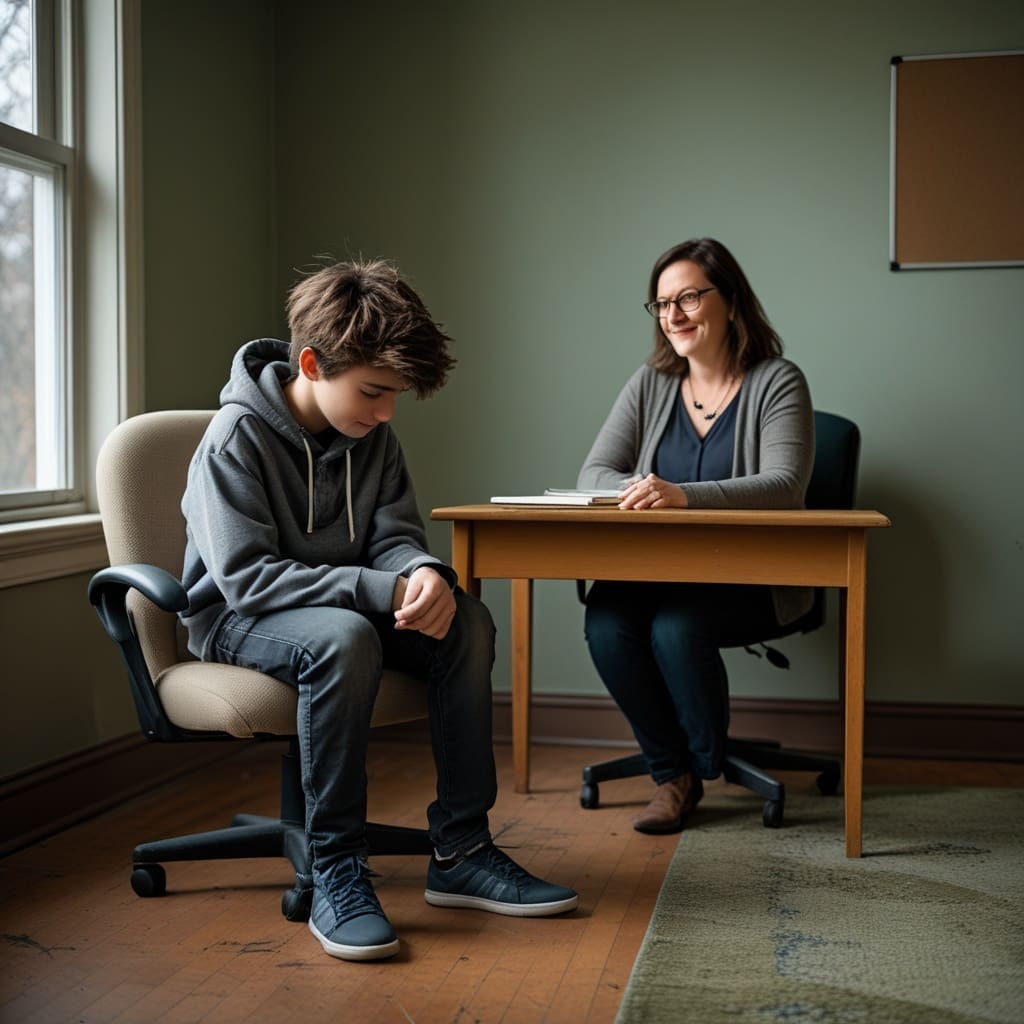

Sensory issues with level 1 autism involve over-reacting or under-reacting to sounds, textures, lights, smells, or physical sensations that most people barely notice. These reactions stem from differences in how the brain processes sensory input, not from behavior choices or poor discipline. Research published through the National Institutes of Health estimates that between 69 and 95 percent of autistic individuals experience some form of sensory processing difference, and this pattern holds true across all three DSM-5 support levels, including level 1, which is often described as “requiring support.” Because level 1 autism involves fewer visible behavioral signs than level 2 or level 3, sensory differences are frequently the most noticeable and disruptive part of daily life for these individuals.
Understanding these patterns matters because sensory struggles at level 1 often get dismissed. A child who covers her ears in a noisy cafeteria or an adult who cannot tolerate scratchy fabric may be labeled “sensitive” or “picky” rather than recognized as having a diagnosable, treatable sensory difference tied to autism.
Key Takeaways
- Level 1 autism is the mildest DSM-5 support level, but sensory processing differences at this level can be just as intense as at higher support levels, even though social and communication symptoms appear milder.
- Sensory issues fall into two broad categories: hyper-reactivity (over-responding to input) and hypo-reactivity (under-responding to input), and many individuals experience both, depending on the sense involved.
- Sensory Processing Sensitivity is now listed as a specific example under Criterion B4 in the DSM-5, formally connecting sensory differences to the autism diagnosis itself.
- Occupational therapy using a sensory integration approach shows measurable improvement in daily function for many autistic children, according to controlled studies published in peer-reviewed journals.
- Practical accommodations, such as noise-canceling headphones, weighted blankets, and predictable routines, can reduce sensory overload without requiring a formal treatment program.
- Sensory meltdowns differ from tantrums; they are involuntary nervous system responses to overwhelming input, not attempts to manipulate a situation.
What Sensory Processing Looks Like at Level 1 Autism
Level 1 autism is the DSM-5 classification for autistic individuals who need the least amount of daily support compared to level 2 and level 3. People at this level often communicate verbally, maintain jobs or attend mainstream classrooms, and build relationships, yet they still meet full diagnostic criteria for autism spectrum disorder. The DSM-5 requires impairments in social communication plus restricted or repetitive behaviors, and sensory reactivity is explicitly named within that second category.
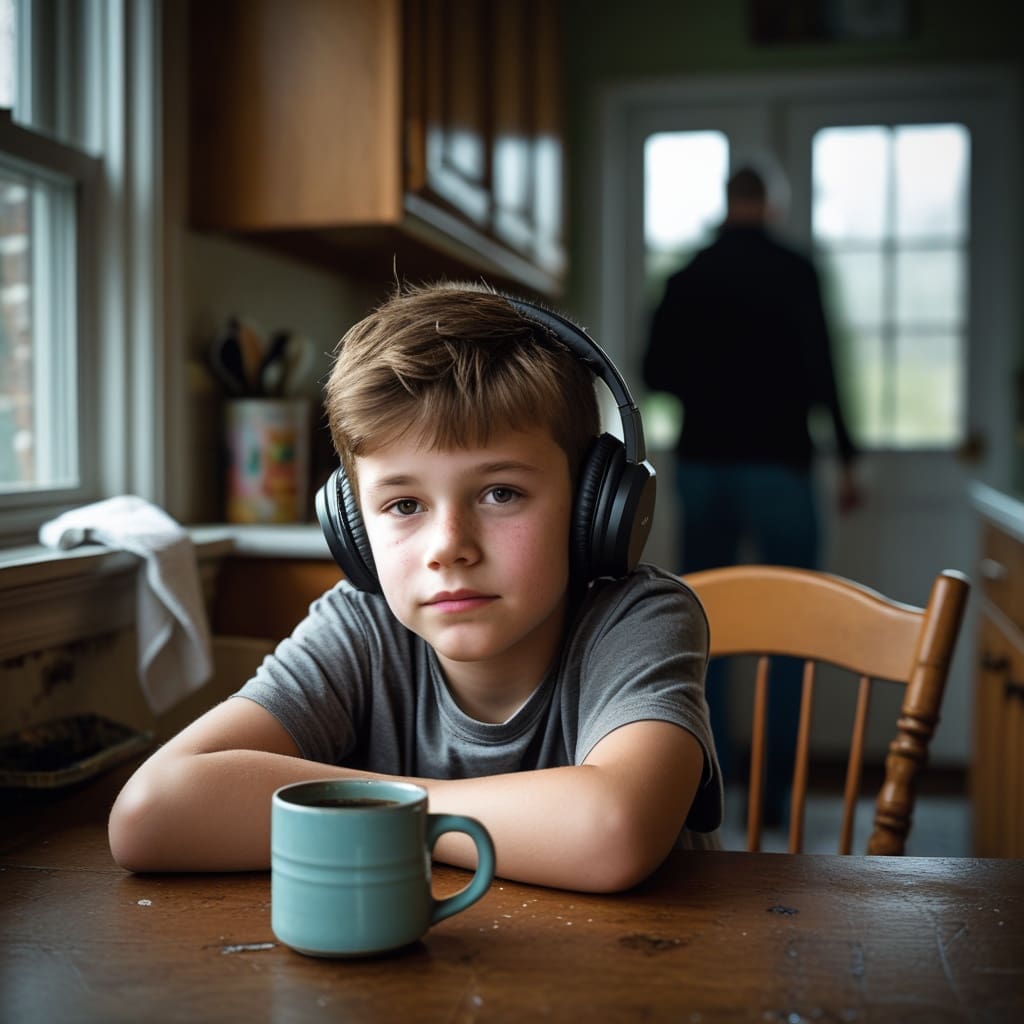
Hyper-Reactivity: When Sensory Input Feels Like Too Much
Hyper-reactivity means the nervous system registers ordinary sensory input as overwhelming or even painful. This is the most commonly recognized sensory pattern in level 1 autism, and it can affect any of the senses, sometimes all at once.
- Auditory sensitivity: Everyday sounds such as a vacuum cleaner, a dog barking, or a classroom of chattering children can feel physically painful rather than merely annoying.
- Tactile sensitivity: Clothing tags, certain fabrics, seams in socks, or unexpected touch (like a pat on the back) can trigger genuine distress.
- Visual sensitivity: Fluorescent lighting, flickering screens, or busy patterns can cause eye strain, headaches, or a need to look away entirely.
- Olfactory and gustatory sensitivity: Strong smells (perfume, cleaning products, certain foods) or specific food textures can provoke nausea or refusal to eat.
These reactions often build over the course of a day. A person may tolerate a noisy office in the morning but reach a breaking point by mid-afternoon, once the cumulative sensory load exceeds what the nervous system can filter. This is sometimes called sensory fatigue, and it explains why meltdowns often happen later in the day rather than the moment a trigger appears.
Hypo-Reactivity: When Sensory Input Feels Like Too Little
Hypo-reactivity is the opposite pattern: the nervous system under-registers sensory input, so the person seeks out more of it. This pattern is less discussed than hyper-reactivity but appears just as often in level 1 autism, sometimes in the same individual, depending on which sense is involved.
Common signs of hypo-reactivity include a high pain tolerance that delays recognizing injuries, a preference for strong flavors or spicy foods, seeking out tight bear hugs or deep pressure, spinning or rocking to generate vestibular input, and touching objects or textures repeatedly for the sensation alone. A child with hypo-reactive proprioception (the sense of body position) might crash into furniture, chew on shirt collars, or press against walls, simply because the sensory feedback helps regulate the nervous system. In adults, this can look like fidgeting constantly, seeking physically demanding hobbies, or gravitating toward loud environments that others find overstimulating.
Roughly one in three autistic individuals show a mixed sensory profile, meaning they are hyper-reactive to some input (like sound) and hypo-reactive to others (like pain), according to sensory profile research using standardized tools like the Sensory Profile 2 assessment.
How Sensory Differences Are Recognized and Assessed
Clinicians identify sensory differences using standardized tools, not just observation. The Sensory Profile 2 is the most common, scoring seeking, avoiding, sensitivity, and registration patterns from caregiver or self-report answers. Occupational therapists may also use the Sensory Processing Measure (SPM) to check function at home, school, and in the community.
A typical evaluation includes a screening to rule out hearing or vision issues, the questionnaire itself, and one or two sessions where a therapist watches how the person reacts to things like textures or sounds. A written report then lays out sensory patterns and recommends accommodations or therapy goals.
Full evaluations with sensory profiling cost $1,500 to $5,000 out of pocket, though insurance often covers part of it when a psychologist or developmental pediatrician bills it as medically necessary. Public schools must provide these evaluations at no cost under IDEA when needed to determine special education eligibility.
Sensory Meltdowns Versus Behavioral Tantrums
A sensory meltdown is an involuntary nervous system response to overwhelming input, while a tantrum is a goal-directed behavior aimed at getting a specific outcome. Confusing the two leads to ineffective, and sometimes harmful, responses from caregivers and teachers.
A meltdown does not stop because a demand is removed; it stops when the nervous system has enough time and space to reset.
Tantrums typically end quickly once the desired outcome is achieved or clearly denied, and they usually include some awareness of an audience. Meltdowns, by contrast, often continue even after the trigger is removed, can happen with no one else present, and are followed by exhaustion rather than relief. Recognizing this difference changes how parents and educators respond. Punishing a meltdown as though it were defiance tends to increase distress and can damage a child’s trust in caregivers, since the child had no real control over the reaction in the first place.
Everyday Accommodations That Reduce Sensory Overload
Small environmental changes usually cut sensory distress better than trying to change how someone reacts. These fixes work at home, school, and work, and cost far less than formal therapy.
- Noise-canceling headphones or earplugs ($20 to $350): Cut auditory overload in loud classrooms, restaurants, or offices.
- Weighted blankets (7 to 12 percent of body weight, $40 to $150): Give calming deep pressure to those seeking proprioceptive input.
- Seamless or tagless clothing ($15 to $40 per item): Removes the most common tactile trigger reported by autistic children and adults.
- Warm-spectrum lighting (2700K to 3000K LED bulbs): Eases visual strain compared to fluorescent lighting.
- Scheduled sensory breaks: Five to ten minutes every one to two hours in a quiet space stops sensory fatigue from building into a meltdown.
- Predictable routines and visual schedules: Knowing what’s coming (a fire drill, a loud assembly) lowers baseline anxiety.
The ADA requires workplaces to provide reasonable accommodations for sensory processing differences that substantially limit a major life activity, including adjusted lighting, headphone use, or a quieter desk. Employees don’t need to share a full autism diagnosis, just documentation supporting the specific accommodation.
Therapy Options That Address Sensory Processing
Occupational therapy built on a sensory integration framework has the strongest research support for autism-related sensory differences. A 2018 randomized controlled trial in the American Journal of Occupational Therapy found real gains in adaptive behavior and fewer caregiver-reported sensory symptoms after a 10-week program.
Common approaches include:
- Ayres Sensory Integration therapy: One-on-one sessions (45 to 60 minutes, one to two times a week) using swings, climbing equipment, and tactile play to help the nervous system process input better. Sessions run $100 to $250 before insurance.
- Sensory diets: A daily plan of activities like brushing, joint compressions, or movement breaks, designed by an OT and carried out by caregivers or teachers.
- Cognitive behavioral strategies: Paired with sensory work to manage anxiety around sensory triggers, especially helpful for level 1 individuals who can describe what they’re feeling.
Many kids notice changes, like tolerating more foods or textures, within 8 to 12 weeks. Full progress often takes 6 months to a year. Coverage varies by plan, but all 50 states now mandate some autism therapy coverage as of 2024.
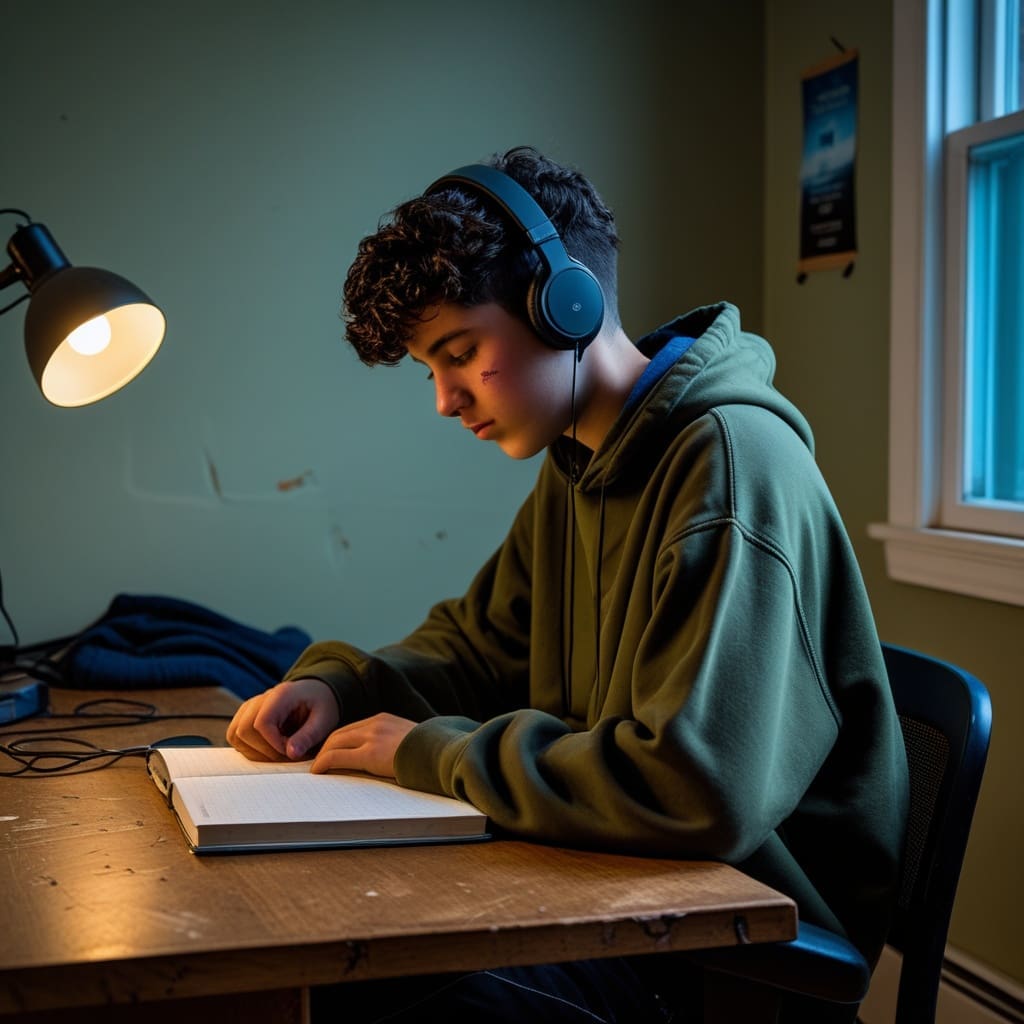
How Sensory Issues at Level 1 Differ from Level 2 and Level 3
Sensory intensity does not scale directly with autism support level, which surprises many parents and clinicians. A person at level 1 autism can experience sensory reactions just as intense as someone at level 3, even though their social communication needs are lower. The DSM-5 support levels measure the amount of assistance needed for social communication and repetitive behaviors overall, not the severity of any single symptom category like sensory processing.
What differs at level 1 is usually the person’s capacity to communicate about the sensory experience and to develop coping strategies independently. A level 1 individual might be able to say, “The lights in this room are too bright, I need to step outside,” while someone at level 2 or level 3 may need a caregiver to recognize the same distress through behavioral cues alone. This difference in expression can create a misleading impression that sensory issues are “milder” at level 1, when in fact they may simply be better masked or self-managed, often at a significant cognitive and emotional cost known in autism research as masking fatigue.
Building a Sensory-Friendly Routine: A Practical Starting Point
Establishing a workable sensory routine does not require a clinical diagnosis first, though a formal evaluation helps target the plan more precisely. Start with a simple three-step process:
- Track triggers for two weeks. Keep a brief daily log noting the time, setting, and specific sensory input before any distress or meltdown, looking for patterns across at least 10 to 14 entries.
- Introduce one accommodation at a time. Test a single change, such as noise-canceling headphones during commute times, for one to two weeks before adding another, so you can identify what actually helps.
- Review and adjust monthly. Sensory needs shift with age, environment, and stress levels, so revisit the plan every four to six weeks rather than assuming one solution will work indefinitely.
Consistency matters more than perfection here. A predictable, gradually adjusted routine tends to produce better long-term results than sweeping changes made all at once, which can itself become a new source of sensory unpredictability.
Take the Next Step
If sensory struggles are affecting daily life at home, school, or work, consider scheduling an evaluation with a licensed occupational therapist or developmental pediatrician who has specific experience with autism spectrum sensory profiles. Bring a two-week log of observed triggers to the first appointment, since concrete examples speed up the assessment process and lead to a more targeted treatment plan. Early, specific action tends to produce far better outcomes than waiting for sensory issues to resolve on their own.
Conclusion
Sensory issues with level 1 autism are a core, diagnosable part of the condition, not a minor side effect or a personality quirk. Recognizing whether reactions lean toward hyper-reactivity, hypo-reactivity, or a mixed profile shapes which accommodations and therapies will actually help. With the right combination of environmental adjustments, structured occupational therapy, and consistent routines, most individuals see meaningful improvement in daily comfort and function within a matter of months.
Frequently Asked Questions
Are sensory issues required for a level 1 autism diagnosis?
Yes, sensory reactivity is one of four possible criteria under DSM-5 Criterion B4, and at least two of four B-criteria must be present for any autism diagnosis. Not every individual will show sensory reactivity as their primary symptom, but it must be documented, along with other repetitive or restricted behavior patterns, for the diagnosis to apply.
Can sensory issues improve with age in level 1 autism?
Many individuals develop stronger coping strategies over time, though the underlying sensory processing differences typically persist into adulthood. Improvement usually comes from learning to recognize early warning signs and adjusting environments proactively, rather than the sensory sensitivity itself disappearing.
Is sensory processing disorder the same thing as autism-related sensory issues?
No, Sensory Processing Disorder (SPD) is a separate, though related, diagnosis that can occur with or without autism. In the DSM-5, sensory reactivity is folded into the autism diagnosis itself under Criterion B4, while SPD remains a distinct clinical label used mainly by occupational therapists and not officially recognized as a standalone diagnosis in the DSM-5.
What triggers a sensory meltdown most often in level 1 autism?
Cumulative sensory load from multiple sources over a full day is the most common trigger, rather than a single isolated event. Unexpected changes in routine, unpredictable loud noises, and physical discomfort from clothing or touch also rank among the most frequently reported triggers in caregiver surveys.
Does insurance cover occupational therapy for sensory issues?
Coverage depends on the state and specific insurance plan, though autism-related therapy mandates now exist in all 50 states as of 2024. Families should confirm whether their plan requires a formal autism diagnosis, a physician referral, or prior authorization before starting occupational therapy sessions, since requirements vary significantly by insurer.