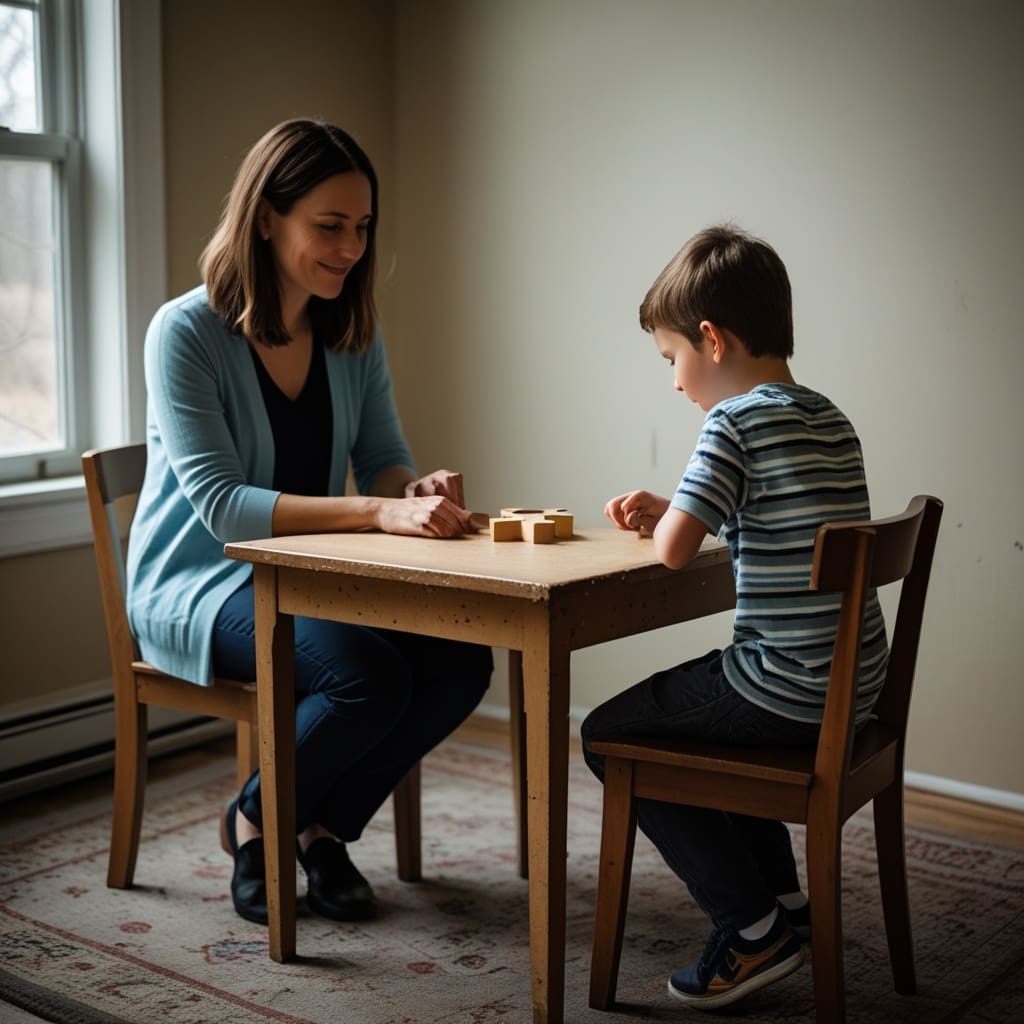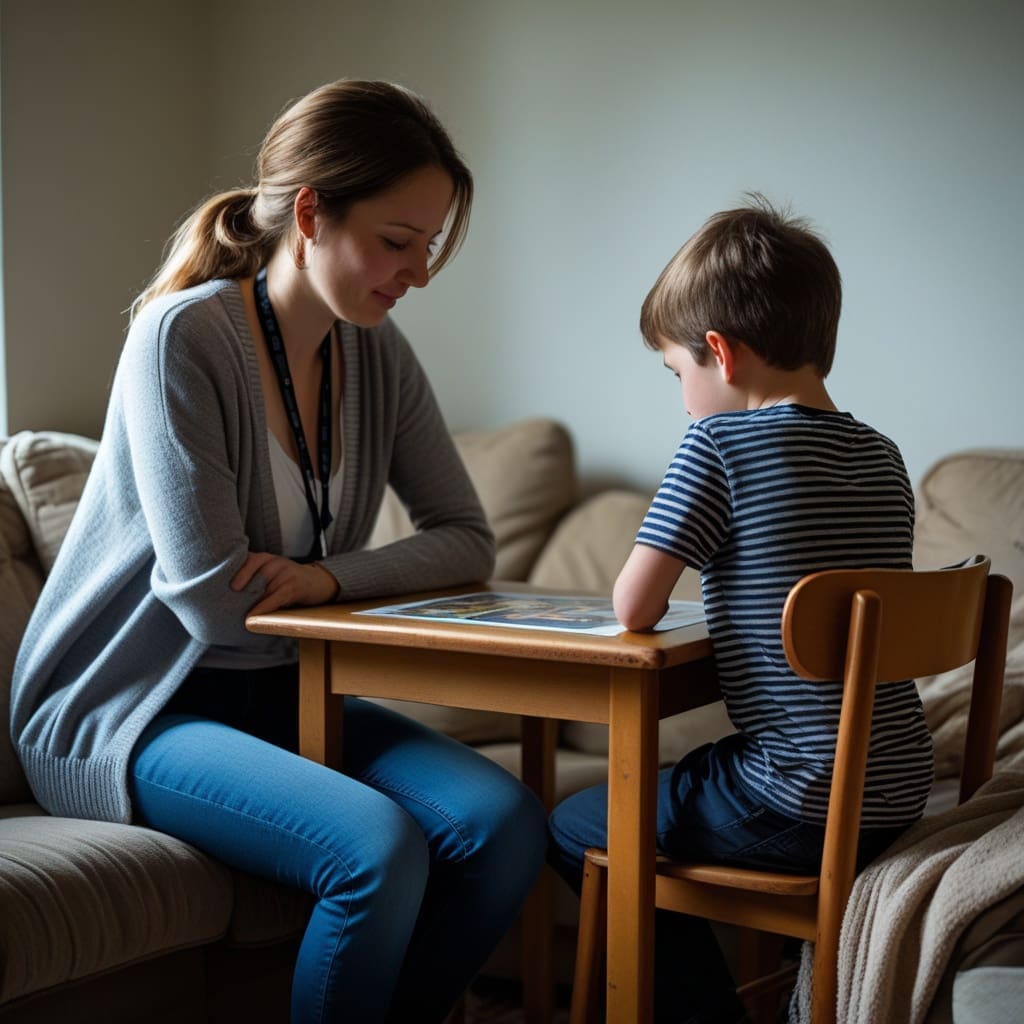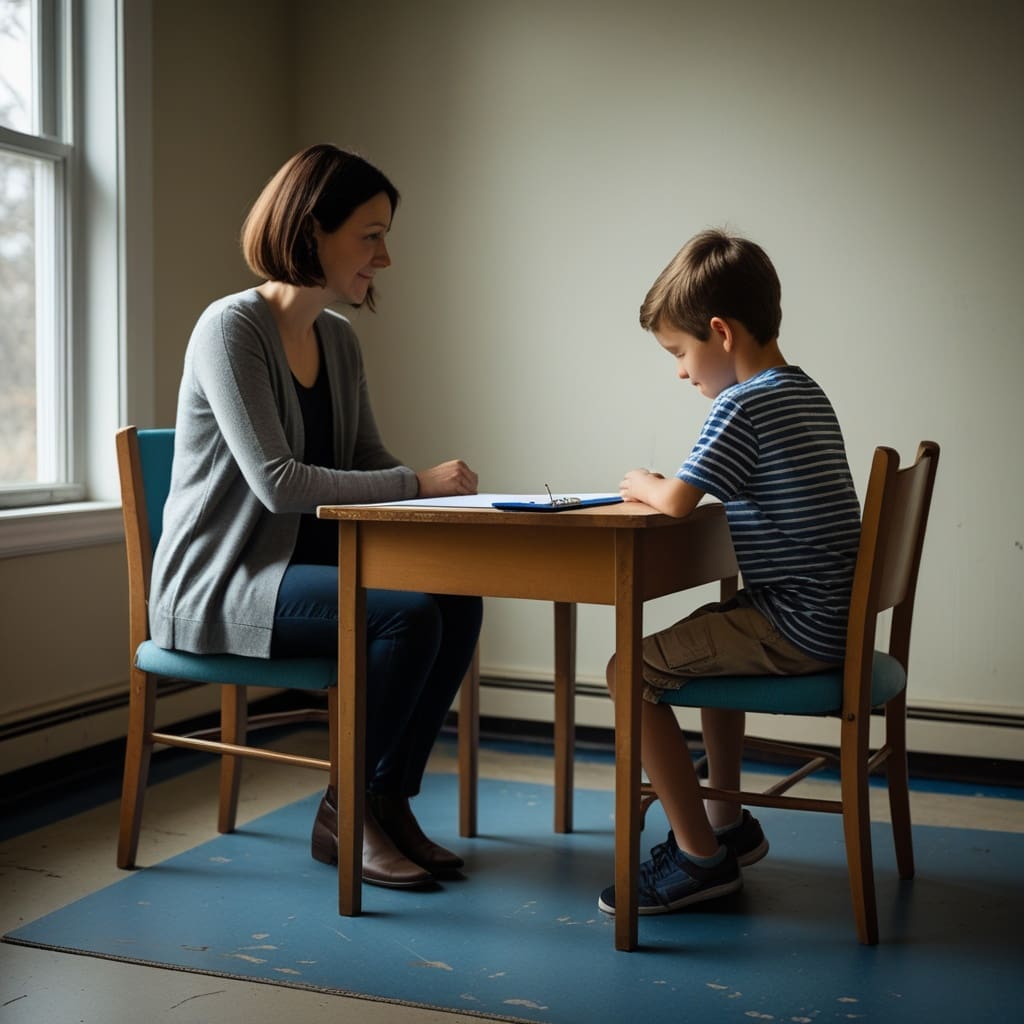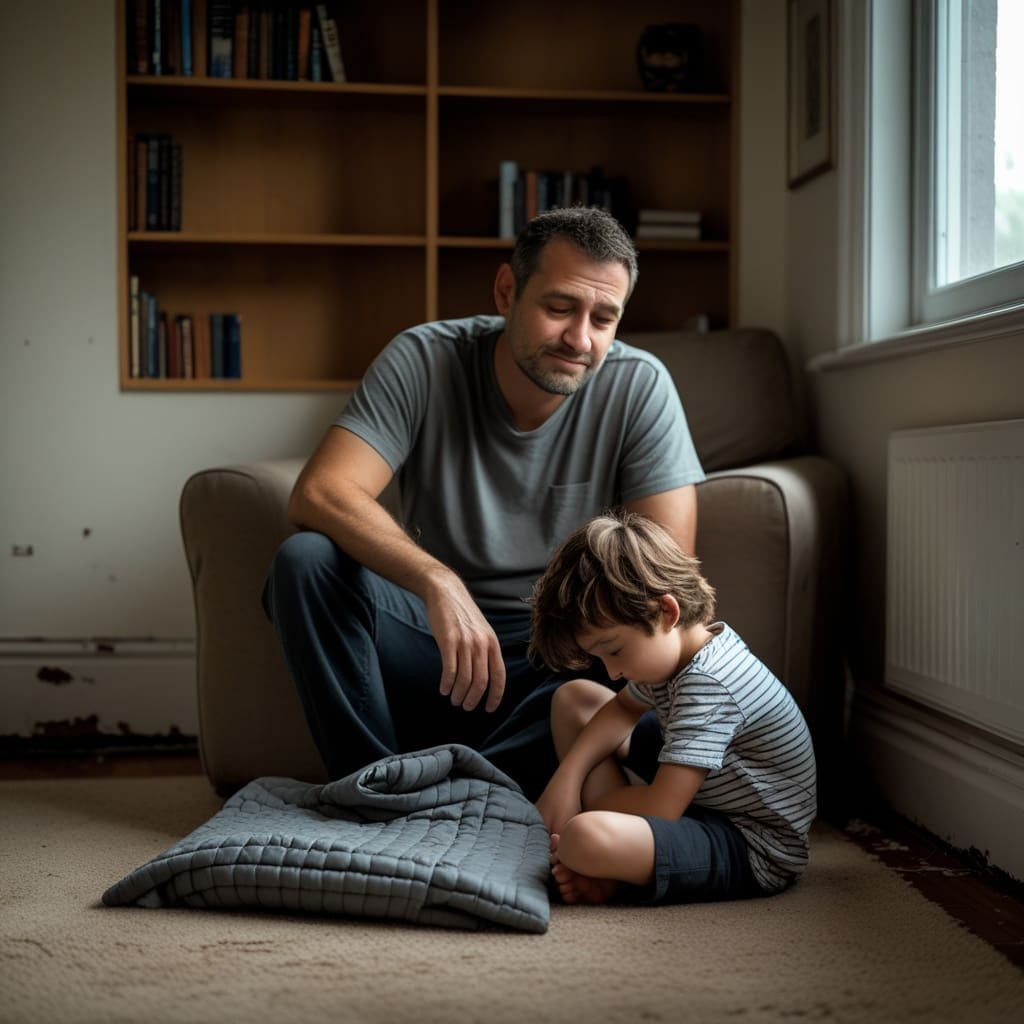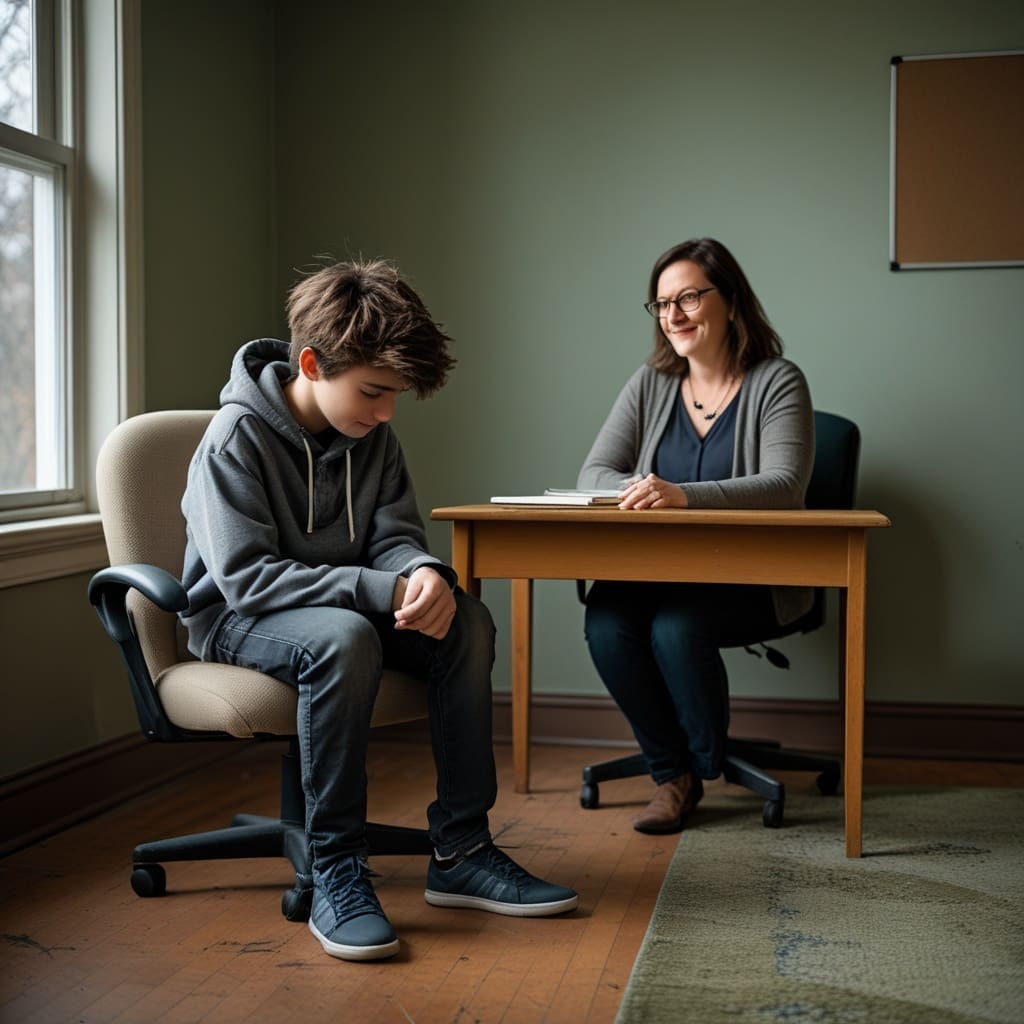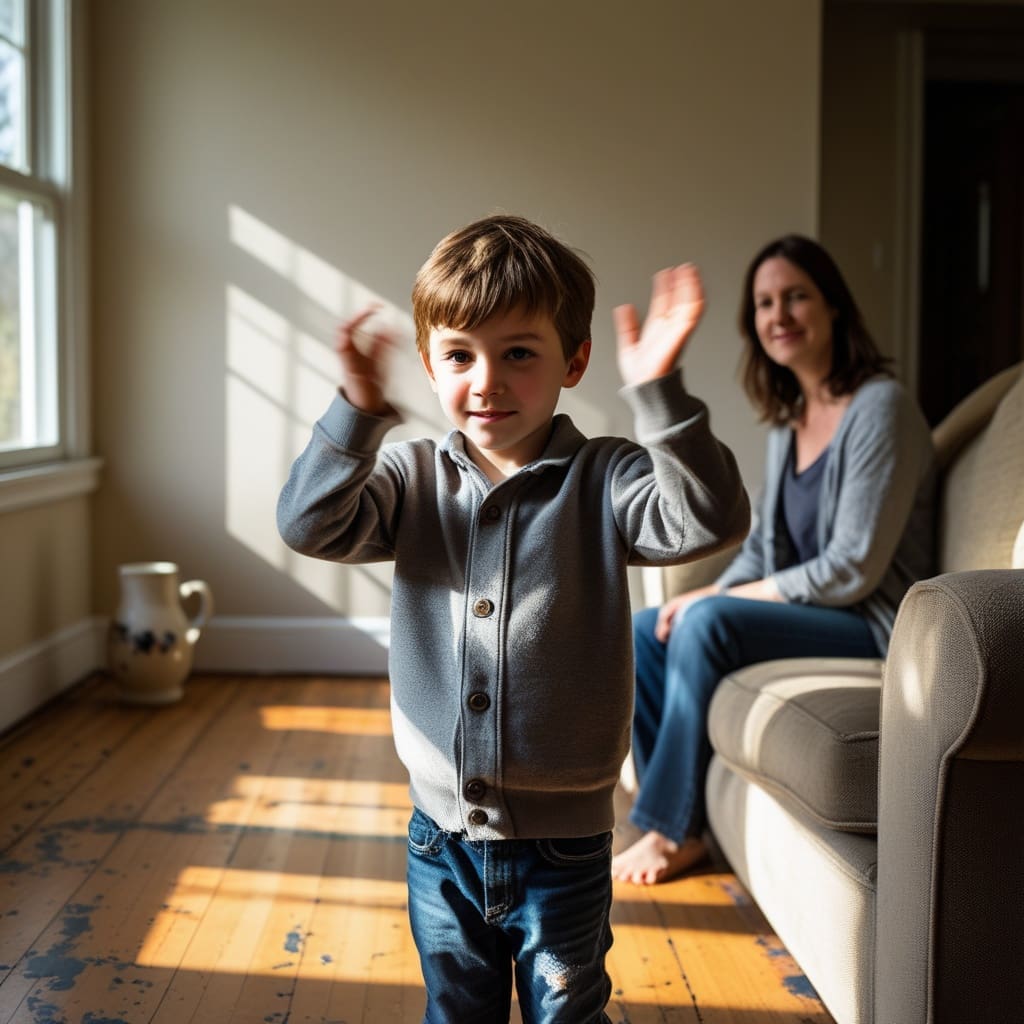


Social skills training for autism is one of the most meaningful goals a family can pursue in early intervention. Children on the autism spectrum often have the desire to connect with others, but lack the tools to make it happen naturally. ABA therapy, which stands for Applied Behavior Analysis, provides those tools in a structured, measurable way.
ABA breaks social interaction into small, teachable steps. A therapist works with your child on specific skills like making eye contact, taking turns in conversation, and reading facial expressions. Over time, these practiced skills become habits your child can use in real life, at school, at home, and in the community.
Ready to learn more? Explore our dedicated autism social skills therapy program to see how we support children in developing lasting social connections.
Why Social Skills Are a Core Challenge in Autism
Autism spectrum disorder (ASD) affects how the brain processes social information. Children with ASD may not naturally pick up on unspoken social rules that most kids absorb without being taught. Things like knowing when to speak, how close to stand, or how to respond to a friend’s emotion can feel confusing or overwhelming.
This is not a matter of motivation or effort. The brain simply processes these cues differently. That is why direct, explicit teaching, which is exactly what autism social skills therapy provides, makes such a significant difference. When skills are taught step by step and reinforced consistently, children can learn what does not come automatically.
Common social skill gaps in children with ASD include:
- Difficulty initiating or sustaining conversations
- Trouble reading facial expressions or body language
- Challenges with cooperative play and turn-taking
- Limited understanding of personal space
- Difficulty recognizing and responding to emotions in others
How ABA Therapy Approaches Social Skills Training

ABA therapy is built on the science of learning and behavior. It uses data, structure, and positive reinforcement to teach new skills and reduce behaviors that get in the way of connection. For social skills, ABA therapists design programs that target each child’s specific needs based on ongoing assessment.
The process starts with a detailed evaluation. A Board Certified Behavior Analyst (BCBA), a licensed specialist trained in behavioral science, observes your child and identifies which social skills are already present and which need direct instruction. From there, a personalized plan is built.
Key ABA Methods Used in Social Skills Instruction
ABA uses several evidence-based techniques when teaching social skills to children with ASD. The most common include:
- Discrete Trial Training (DTT): Short, structured teaching sessions that break a skill into tiny steps and reward correct responses immediately.
- Naturalistic Teaching: Skills are practiced in real-world settings like playgrounds, classrooms, or during mealtimes, so learning transfers to daily life.
- Video Modeling: Children watch short videos of peers or adults demonstrating a social skill, then practice that same skill with a therapist.
- Role-Playing and Rehearsal: Therapists act out social situations with the child so they can practice responses before facing them in real settings.
- Social Stories: Short, personalized narratives that walk a child through a specific social situation and explain what to expect and how to respond.
Core Social Skills Targeted in ABA Programs
Teaching social skills with ABA means going beyond a single goal. Therapists work across multiple skill areas at once, building a broad foundation your child can draw from every day. The specific targets depend on the child’s age, current skill level, and treatment goals.
| Skill Area | What It Includes | Why It Matters |
|---|---|---|
| Joint Attention | Sharing focus on an object or event with another person | Foundational skill for all social learning |
| Conversation Skills | Greetings, topic maintenance, asking and answering questions | Enables meaningful back-and-forth exchange |
| Emotion Recognition | Identifying feelings in others through face, voice, and body | Builds empathy and appropriate responses |
| Play Skills | Parallel play, cooperative play, following game rules | Supports peer relationships and inclusion |
| Perspective-Taking | Understanding what another person thinks or feels | Reduces conflict and improves social judgment |
| Self-Regulation | Managing frustration, waiting, and emotional responses | Allows children to stay engaged in social settings |
The Role of Reinforcement in Building Social Habits
Positive reinforcement is central to how ABA teaches social skills. Each time a child successfully uses a target skill, they receive immediate praise, a preferred item, or another motivating reward. This reinforcement tells the brain that the behavior was effective and worth repeating.
Over time, the frequency of external rewards is gradually reduced. The goal is for the social behavior itself to become naturally rewarding. A child who receives a positive response from a peer after initiating a greeting begins to associate social connection with a good outcome. That natural feedback loop eventually sustains the behavior on its own.
This is not about bribery. Reinforcement in ABA is a precise, research-backed process. Therapists carefully select rewards based on what each child finds motivating, and they fade those rewards systematically as the skill becomes established.
Group Settings and Peer Practice in Social Skills Therapy

Individual therapy sessions give children a safe space to learn and rehearse skills. But social skills training for autism reaches its full potential when children practice with actual peers. That is why many ABA programs include structured social groups as part of the treatment plan.
Social skills groups bring together small numbers of children at similar developmental levels. A therapist facilitates activities designed to create natural opportunities for interaction. Children practice greeting each other, sharing materials, resolving small conflicts, and taking turns, all within a supervised and supportive environment.
Group settings also allow therapists to observe how skills transfer from one-on-one instruction to peer interactions. If a child struggles in the group setting that is not a failure, it is data. The therapist uses that information to adjust the program and provide more targeted support.
How Parents Support Social Skills Learning at Home

ABA therapy does not stop at the clinic door. Parent involvement is one of the strongest predictors of progress in social skills training for ASD. When families understand and reinforce the same skills at home, children get far more practice and build skills faster.
Your child’s BCBA will coach you on how to prompt and reward target skills during everyday moments. A family dinner, a trip to the park, or a playdate with a neighbor all become natural practice opportunities. The skills your child works on in therapy should show up in real life, and your support makes that happen.
Simple ways parents can reinforce social skills at home include:
- Narrating social situations as they happen (“Your sister looks sad. How do you think she feels?”)
- Practicing conversation starters before social events
- Giving specific praise when your child uses a social skill correctly
- Using books, shows, or videos to discuss social scenarios
- Arranging low-pressure playdates with familiar peers
Measuring Progress in Autism Social Skills Therapy
One of ABA’s defining features is its commitment to data. Therapists track every skill target across every session. This means you always have a clear, objective picture of your child’s progress. Decisions about what to teach next are driven by evidence, not guesswork.
Progress is measured by looking at how consistently and independently a child uses a skill. A skill that requires constant prompting is not yet mastered. A skill used correctly without reminders in multiple settings is. This distinction matters because the goal is real-world function, not just performance in a therapy room.
Regular progress reviews, often conducted monthly or quarterly, give parents a chance to revisit goals, ask questions, and celebrate gains. If a skill is not moving forward at the expected pace, the therapist adjusts the teaching strategy. This ongoing refinement is what makes ABA so effective over time.
Choosing the Right ABA Provider for Social Skills Training
Not all ABA providers approach social skills training the same way. When evaluating a program, look for a team led by a BCBA with specific experience in teaching social skills to children with ASD. Ask how they assess social skill deficits, what teaching methods they use, and how they measure generalization, which means whether skills carry over outside the therapy room.
Also ask about family involvement. A strong program treats parents as active partners, not just observers. Providers in South Florida and along the Florida Keys are increasingly offering services that blend clinic-based and in-home delivery, giving families flexibility while keeping the program consistent.
Questions worth asking a prospective ABA provider:
- How do you assess which social skills to target first?
- Do you offer social skills groups in addition to individual sessions?
- How will you train me to support my child at home?
- How often will you review and update my child’s goals?
- How do you track skill generalization across settings?
Final Thoughts on Social Skills Training for Autism
Social skills training for autism is not about forcing children to behave in ways that feel unnatural. It is about giving them real tools to navigate a social world that was not designed with their brain in mind. ABA therapy provides a structured, compassionate, and proven path to building those tools one skill at a time.
Children who receive early, consistent social skills instruction through ABA develop stronger peer relationships, greater confidence in social settings, and better outcomes across school and community life. With the right support team and active family involvement, the progress your child can make is genuine and lasting. Every small gain in connection is a step toward a fuller, more connected life.
Frequently Asked Questions About Social Skills Training for Autism
At what age should social skills training for autism begin?
Earlier is better. Research consistently shows that children who begin ABA-based social skills training before age five make the greatest gains. However, children of any age can benefit from structured social skills instruction. There is no age at which it is too late to start.
How long does it take to see progress in autism social skills therapy?
Progress timelines vary by child, skill complexity, and how often therapy sessions occur. Many families notice meaningful changes within three to six months of consistent treatment. Skills that require more context, like perspective-taking, typically take longer than foundational skills like greetings or eye contact.
Will my child need social skills training forever?
Not necessarily. Many children reach a level of social competence where they no longer need formal instruction and can continue growing through natural social experiences. The goal of ABA is always to build independence, which means reducing the need for therapy over time as skills become self-sustaining.
Is social skills training covered by insurance for children with autism?
In many states, including Florida, insurance plans are required to cover ABA therapy for autism spectrum disorder. Social skills training delivered through ABA typically falls under that coverage. Check with your specific insurance provider and ask your ABA clinic to help verify your benefits before beginning services.
How is teaching social skills in ASD different from other therapy approaches?
ABA breaks social behavior into measurable, teachable components and uses data to track every step of progress. Other approaches like social thinking curricula or speech therapy may address social skills as well, but ABA is unique in its systematic use of reinforcement, precise skill sequencing, and ongoing data collection to drive decisions. Many children benefit from a combination of approaches working together.