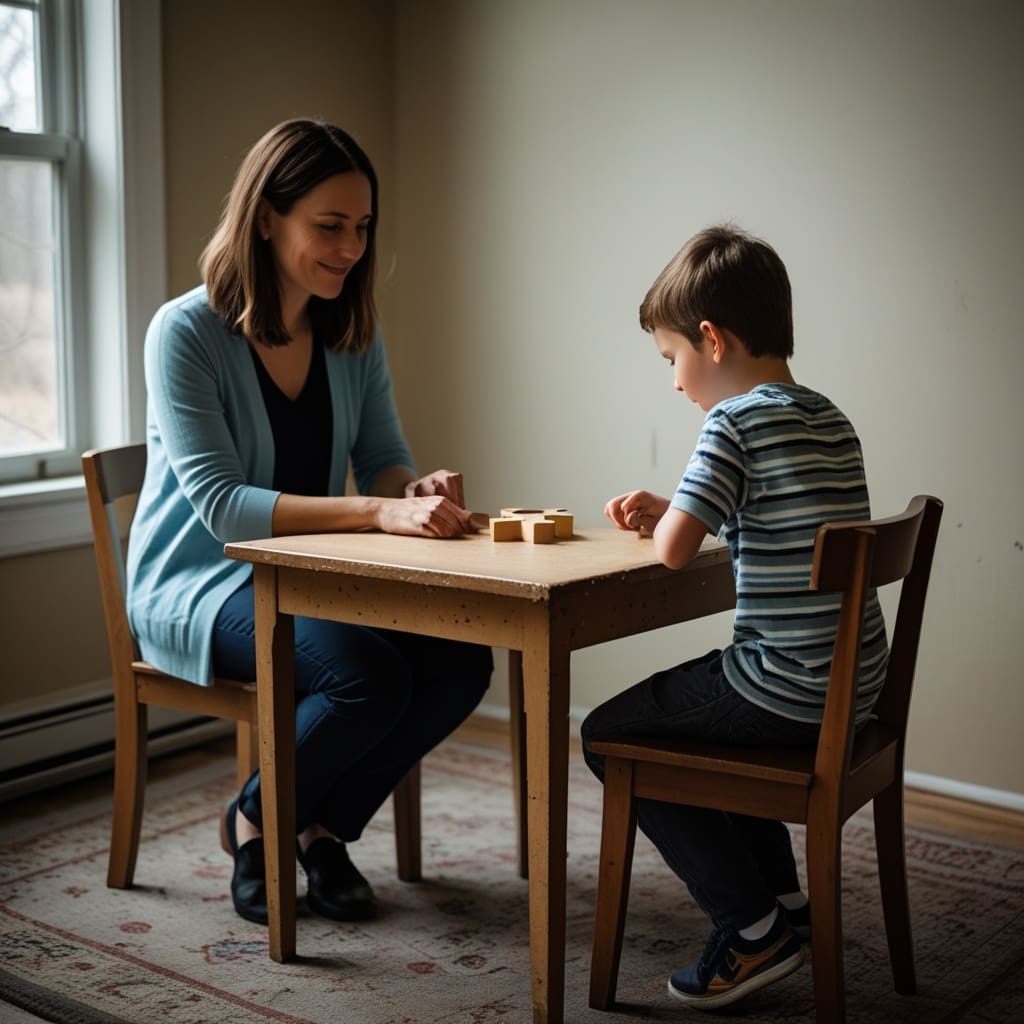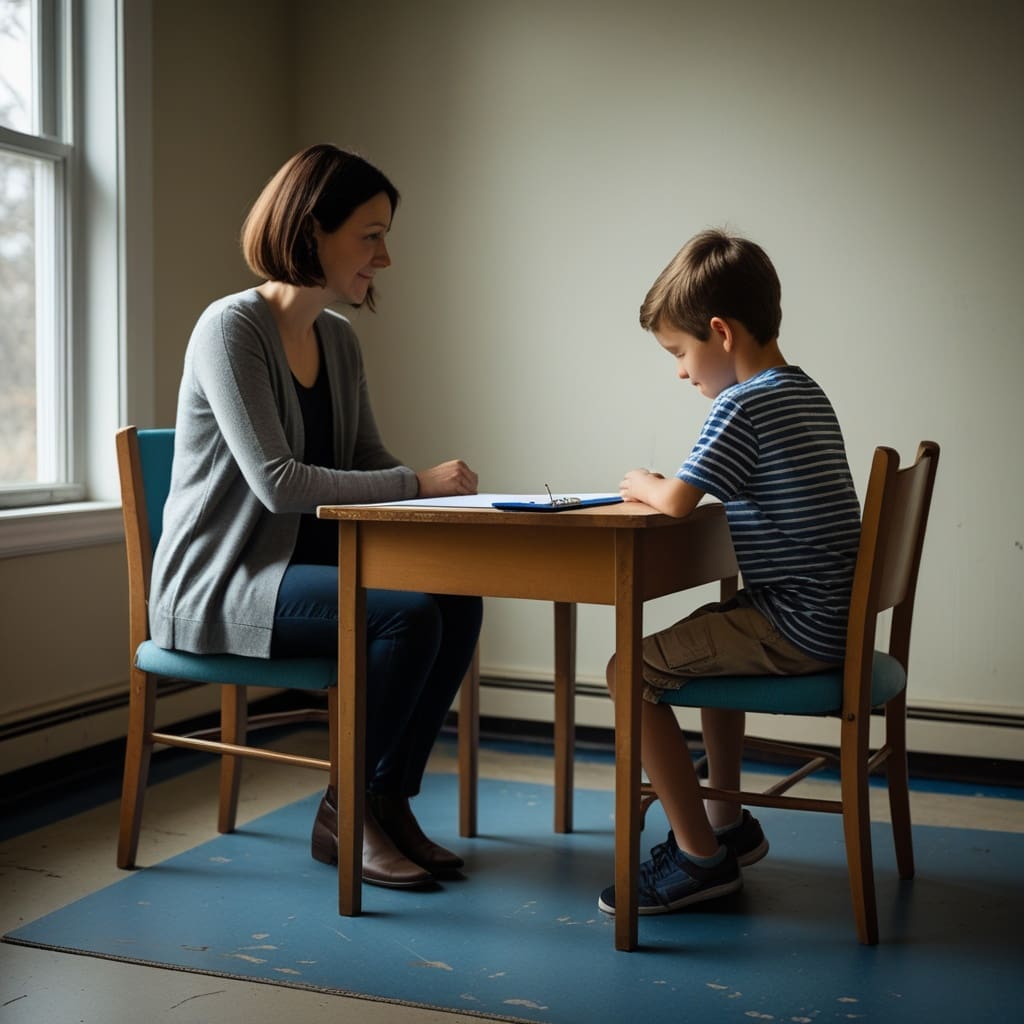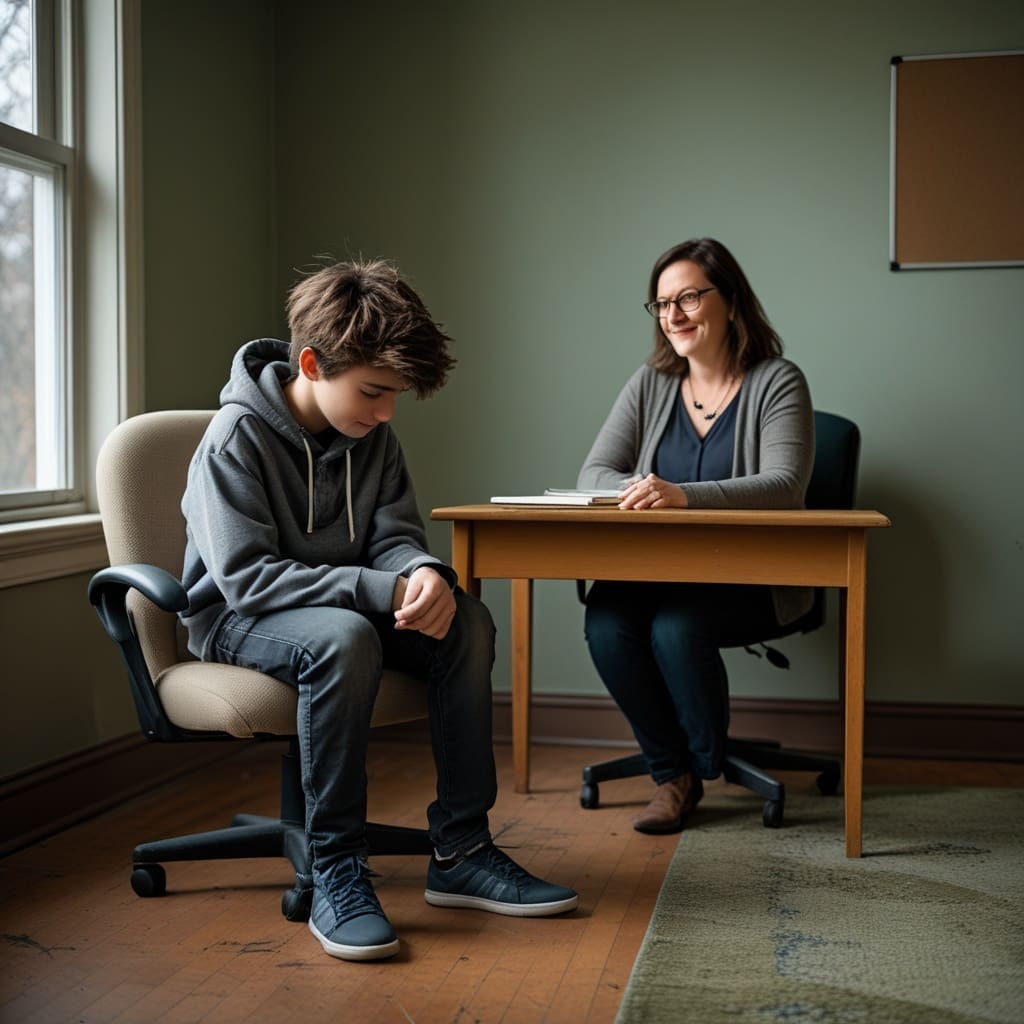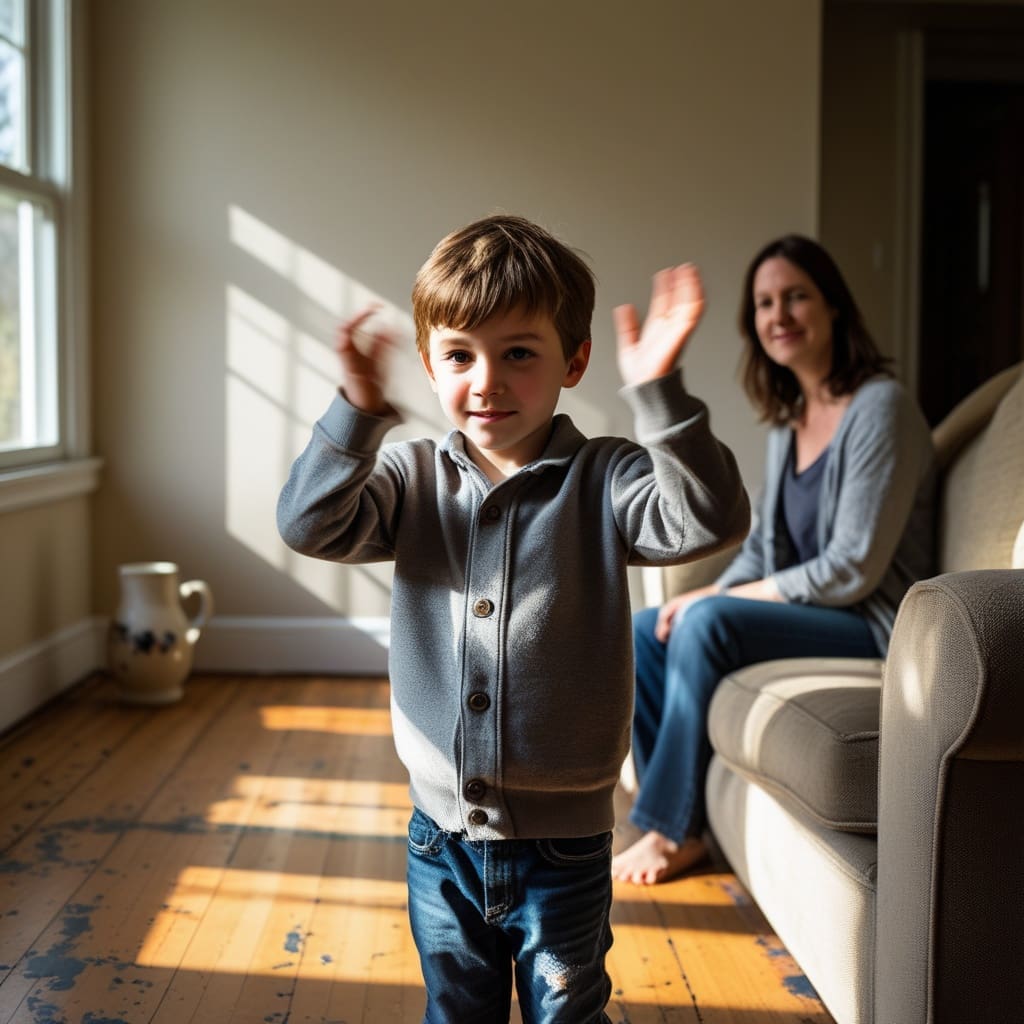

Level 2 autism symptoms sit in the middle of the autism spectrum. Children and adults at this level need substantial support to get through daily routines, social situations, and unexpected changes. Understanding what moderate ASD looks like helps families take faster, more confident steps toward the right help.
Level 2 autism, sometimes called moderate ASD, is one of three support levels defined by the DSM-5 (the manual clinicians use to diagnose autism). At this level, challenges with communication and behavior are visible even when support is in place. This guide explains the core signs, how they show up in real life, and which types of support have the strongest track record.
Ready to learn more? Explore how our team can help through our autism diagnosis support services designed for families navigating every level of the spectrum.
How Level 2 Differs From Level 1 and Level 3 Autism

The three autism support levels are not separate diagnoses. They describe how much help a person needs day to day. Level 1 (often called high-functioning autism) involves noticeable challenges, but most people at this level can manage many situations with minimal support. Level 3 involves very significant challenges across communication and behavior, requiring very substantial support.
Level 2 sits between those two points. A person at this level has clear, consistent difficulties that affect school, home, and community settings. Support helps, but challenges do not disappear when support is in place. That distinction is key for parents and educators planning services.
| Level | Support Needed | Social Communication | Behavior Flexibility |
|---|---|---|---|
| Level 1 | Some support | Noticeable deficits; can initiate | Difficulty switching; coping possible |
| Level 2 | Substantial support | Marked deficits; limited initiation | Distress with change; behavior obvious to observers |
| Level 3 | Very substantial support | Severe deficits; very limited speech | Extreme difficulty with change; significant distress |
Core Level 2 Autism Symptoms in Social Communication
Social communication refers to the ability to send and receive messages in social situations. At level 2, difficulties in this area are marked and consistent. They show up even when the person is motivated to connect with others.
Limited or Unusual Verbal Communication
Some children with level 2 autism speak in simple or repetitive sentences. Others use speech mainly to request items rather than to share experiences or hold a two-way conversation. Delayed or echolalic speech (repeating words or phrases heard earlier) is common. Speech may sound flat or robotic in tone.
Reduced Ability to Initiate Social Interaction
A child at this level rarely starts conversations or play interactions on their own. When others try to engage them, responses are often brief, off-topic, or nonverbal. Eye contact is usually limited, and reading facial expressions or body language is genuinely difficult for them.
Challenges With Nonverbal Communication
Gestures, facial expressions, and tone of voice carry a lot of social meaning. People with level 2 autism often use fewer gestures and may not coordinate gestures with speech in the typical way. Pointing to share interest (called declarative pointing) is frequently absent or delayed in younger children.
Recognizing Level 2 Autism Characteristics in Behavior and Routine

The behavioral side of level 2 autism is just as important as the communication side. Observers outside the family, such as teachers or coaches, typically notice these patterns clearly.
Restricted Interests and Repetitive Behaviors
Many children with level 2 ASD have very narrow, intense interests. They may focus on a single topic, object, or activity for hours. Repetitive motor movements, such as hand-flapping, rocking, or spinning, are common and may increase when the child feels stressed or excited. These behaviors serve a real function for the child, often as a way to self-regulate.
Strong Need for Sameness
Routine is not just preferred at this level; it is required for the child to feel safe. Changing the route to school, rearranging furniture, or switching a mealtime food can trigger significant distress. Transitions between activities are often hard, even with warnings and preparation.
Sensory Processing Differences
Sensory processing differences mean the brain responds to sights, sounds, textures, or smells in ways that are more intense or less intense than typical. At level 2, these differences often interfere with daily activities. Loud environments like cafeterias or gyms can cause real pain or shutdown. Certain clothing textures or food temperatures may be completely intolerable.
How Level 2 Autism Symptoms Show Up at School
School is one of the most challenging environments for a child with level 2 autism. Social demands are constant, routines change frequently, and sensory input is high. Understanding what to look for helps teachers and support staff respond more effectively.
Common patterns in the school setting include:
- Difficulty joining group activities without direct adult guidance
- Meltdowns or shutdowns during transitions between subjects or locations
- Scripted or one-sided conversations with peers
- Avoidance of unstructured times like recess or lunch
- Strong performance in preferred subjects alongside major gaps in others
- Challenges with open-ended tasks that lack clear rules or expected outcomes
A child at this level typically qualifies for an Individualized Education Program (IEP), a legal document that outlines specific school-based supports and goals tailored to their needs.
Effective Therapies and Supports for Moderate Autism Signs

No single therapy addresses every aspect of level 2 autism. The most effective approach combines multiple interventions, each targeting a different area of need. Starting early leads to better outcomes, but meaningful progress is possible at any age.
Applied Behavior Analysis (ABA) Therapy
ABA therapy is a structured approach that uses positive reinforcement to build useful skills and reduce behaviors that interfere with learning and daily life. For children with level 2 autism, ABA often targets communication, adaptive daily living skills, and social interaction. Programs are individualized, data-driven, and adjusted regularly based on progress.
Speech-Language Therapy
A speech-language pathologist (SLP) works on both verbal and nonverbal communication. At level 2, therapy often includes expanding vocabulary, building conversational turn-taking, and improving the ability to use speech for a range of purposes beyond requesting. Some children at this level also benefit from augmentative and alternative communication (AAC) tools, which are devices or apps that support or replace spoken language.
Occupational Therapy for Sensory and Daily Living Skills
An occupational therapist (OT) helps children develop the skills needed for everyday tasks like dressing, eating, writing, and tolerating sensory environments. Sensory integration therapy, a technique used by many OTs, helps the child’s nervous system process sensory input in a more regulated way. This can reduce meltdowns tied to sensory overload and improve participation in daily routines.
Social Skills Therapy
Social skills groups and individual coaching teach children the specific steps behind social interactions. At level 2, goals often include making and keeping friends, understanding social cues, and managing conversations. These skills do not develop naturally at this level, so direct, explicit teaching is necessary.
Getting an Autism Diagnosis and Starting Support in Key Largo
If you suspect your child has level 2 autism symptoms, a formal evaluation is the first step. A developmental pediatrician, psychologist, or multidisciplinary team can assess communication, behavior, and daily functioning to determine a diagnosis and support level. The evaluation results guide every service decision going forward.
Families in the Florida Keys and surrounding areas have access to evaluation and therapy services tailored to moderate ASD. Early identification means earlier access to ABA, speech therapy, and school supports, all of which shape long-term outcomes. Do not wait for a child to “grow out of it.” Level 2 autism symptoms need structured, consistent support to improve.
What Families Can Do at Home to Support a Child With Level 2 ASD
Professional therapy is essential, but what happens between sessions matters too. Home strategies that align with your child’s therapy goals can reinforce progress and reduce daily stress for the whole family.
Practical steps that help at home include:
- Use visual schedules: A picture-based daily schedule reduces anxiety around transitions and unexpected changes.
- Build in predictable routines: Consistent wake-up, meal, and bedtime routines help the child’s nervous system stay regulated.
- Prepare for transitions: Give your child a five-minute and two-minute warning before any activity change.
- Follow the child’s lead in play: Joining your child in their preferred activity builds connection and trust, which supports communication growth.
- Reduce sensory triggers: Identify what consistently causes distress and modify the environment where possible.
- Celebrate small wins: Progress at level 2 is real but often gradual. Acknowledging small steps keeps motivation high for you and your child.
Final Thoughts on Level 2 Autism Symptoms
Level 2 autism symptoms affect communication, behavior, and daily functioning in ways that are visible and consistent. These challenges are real, but they are also responsive to the right support. ABA therapy, speech therapy, occupational therapy, and social skills coaching each address a different piece of the picture. Used together, they help children build skills that carry into adulthood.
If you recognize moderate autism signs in your child, trust that instinct and pursue an evaluation. The earlier a child receives appropriate, intensive support, the more ground they can gain. Families in Key Largo and across South Florida have access to dedicated professionals who understand exactly what level 2 ASD looks like and how to help.
Frequently Asked Questions About Level 2 Autism Symptoms
What is the main difference between level 1 and level 2 autism?
Level 1 autism involves noticeable challenges that require some support, while level 2 requires substantial support. At level 2, social communication deficits and restricted or repetitive behaviors are more obvious and interfere more significantly with daily functioning. Even with support in place, challenges remain clearly visible.
Can a child with level 2 autism improve over time?
Yes. With consistent, appropriate therapy and support, many children with level 2 autism make meaningful progress. Some develop stronger communication skills, better flexibility with routines, and improved social connections. Progress is individual and depends on the intensity and quality of support provided.
Does level 2 autism always involve speech delays?
Not always. Some children with level 2 autism have functional speech but still show marked deficits in the social use of language. Others do have significant speech delays or use very limited verbal communication. The support level reflects the overall impact on functioning, not speech alone.
What behaviors in level 2 autism are often mistaken for defiance?
Meltdowns during transitions, refusal to enter loud environments, and insistence on routines are often misread as stubbornness or defiance. These behaviors are actually driven by sensory overload, anxiety, or difficulty processing unexpected change. Understanding the underlying cause leads to more effective responses than discipline-based approaches.
How do I start the process of getting a level 2 autism diagnosis?
Start by speaking with your child’s pediatrician about your concerns. They can refer you to a developmental pediatrician or licensed psychologist who conducts autism evaluations. You can also contact a local behavioral health provider to ask about the evaluation process and available therapies in your area.