
If you want to build a career helping people with autism and other behavioral challenges, learning how to become a BCBA is a great place to start. A Board Certified Behavior Analyst, or BCBA, designs and oversees applied behavior analysis (ABA) therapy programs. The role requires specific education, supervised fieldwork, and a national certification exam. The path takes several years, but the demand for qualified BCBAs continues to grow across the country.
This guide walks you through every major step, from your first college course to passing the certification exam. You will also find a breakdown of typical costs, what the day-to-day job looks like, and answers to the questions most people ask before starting this career. Whether you are a recent graduate, a current behavior technician, or someone looking for a career change, this roadmap covers what you need to know.
Ready to learn more? Explore how our team delivers ABA therapy in Key Largo and see the kind of work BCBAs lead every day.
Understanding the BCBA Role Before You Begin
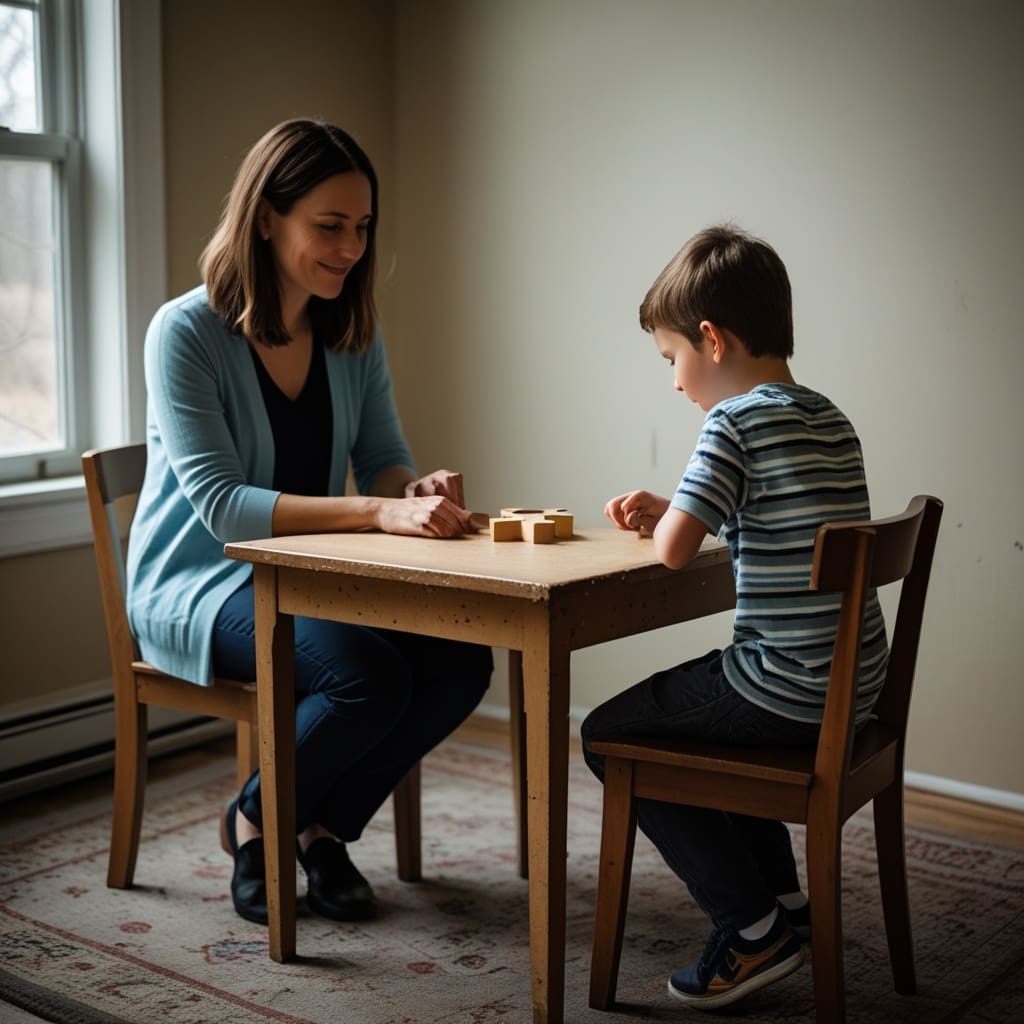
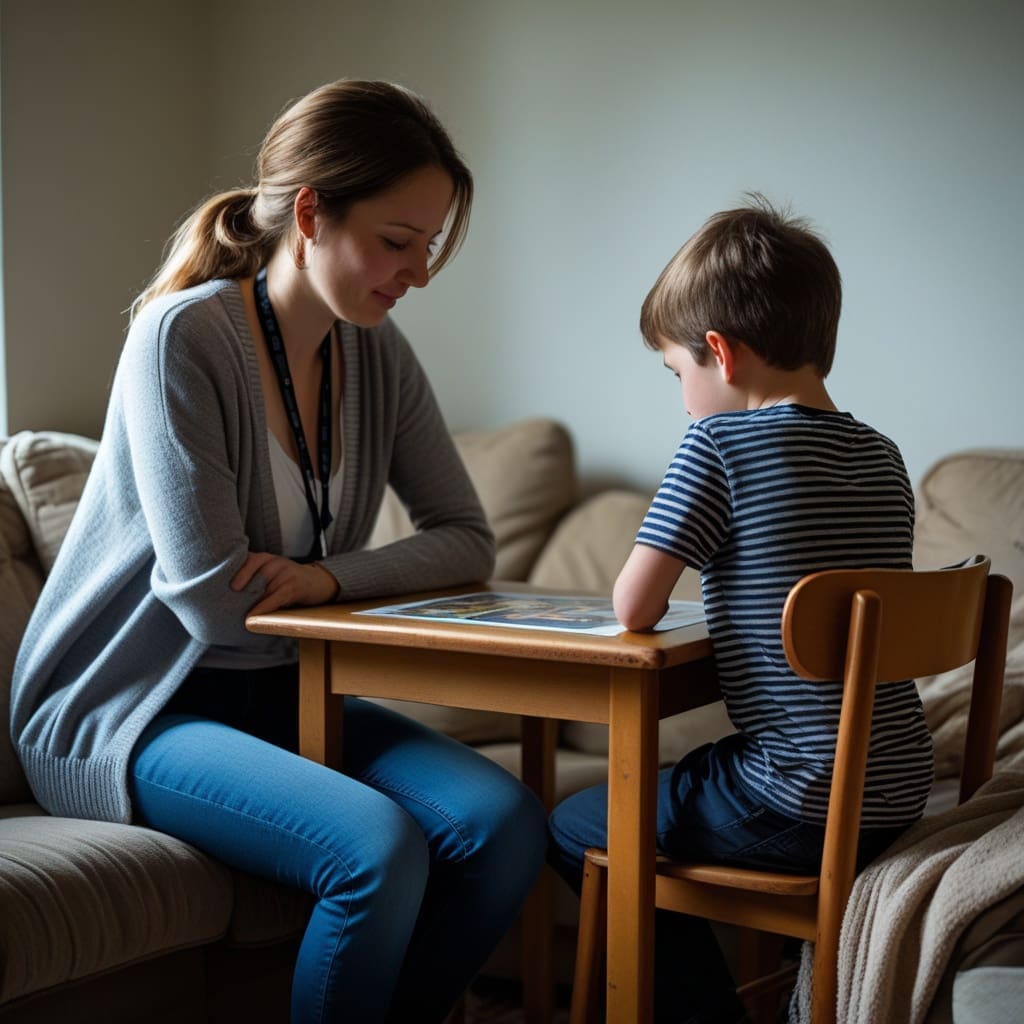
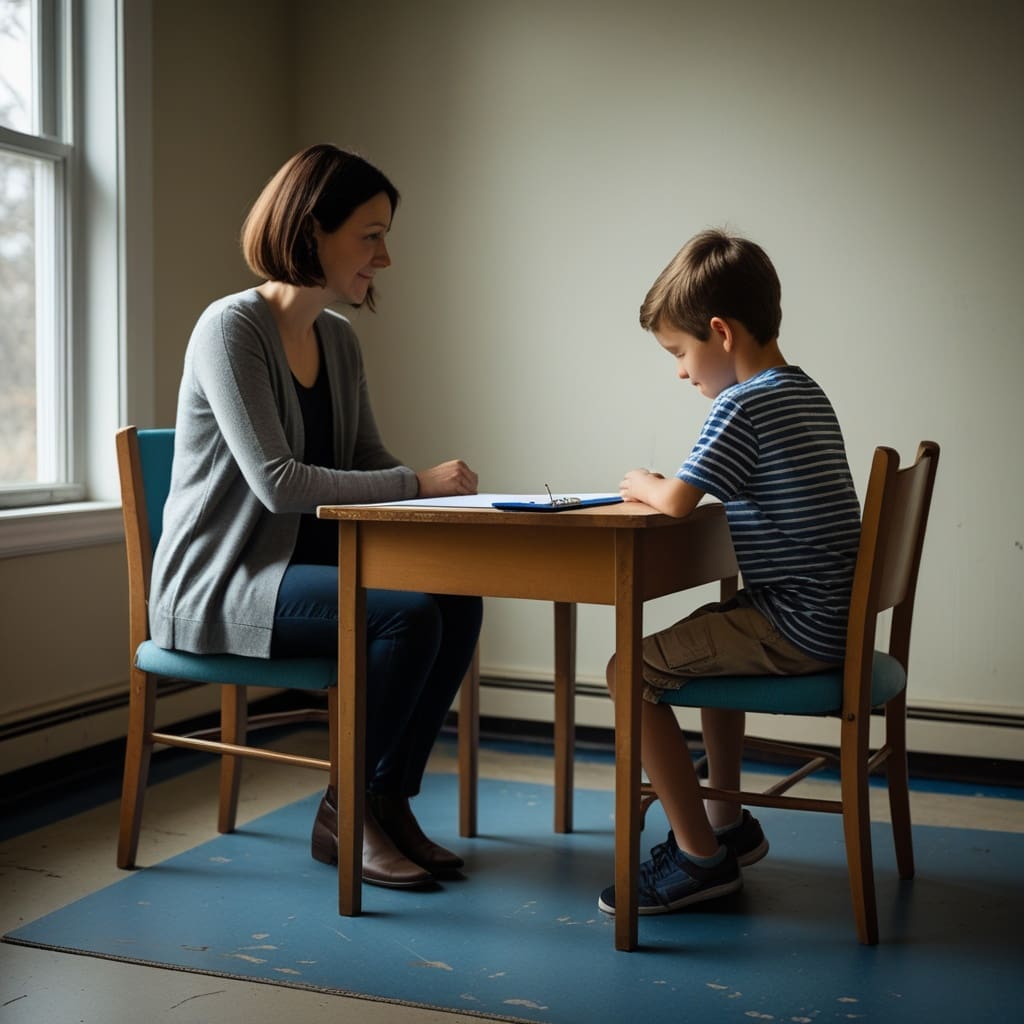
A BCBA is a credentialed behavior analyst who uses the science of behavior to improve meaningful skills and reduce harmful behaviors. They assess clients, write individualized treatment plans, and supervise behavior technicians (BTs) who deliver direct therapy. Most BCBAs work with children diagnosed with autism spectrum disorder, but the credential applies to many populations and settings.
The credential is issued by the Behavior Analyst Certification Board (BACB), a national nonprofit that sets the standards for training and ethical practice. Florida has a strong and growing need for BCBAs, especially in communities across the Keys and South Florida. Understanding the scope of the role helps you commit to the path with clear expectations.
The BCBA Certification Requirements at a Glance
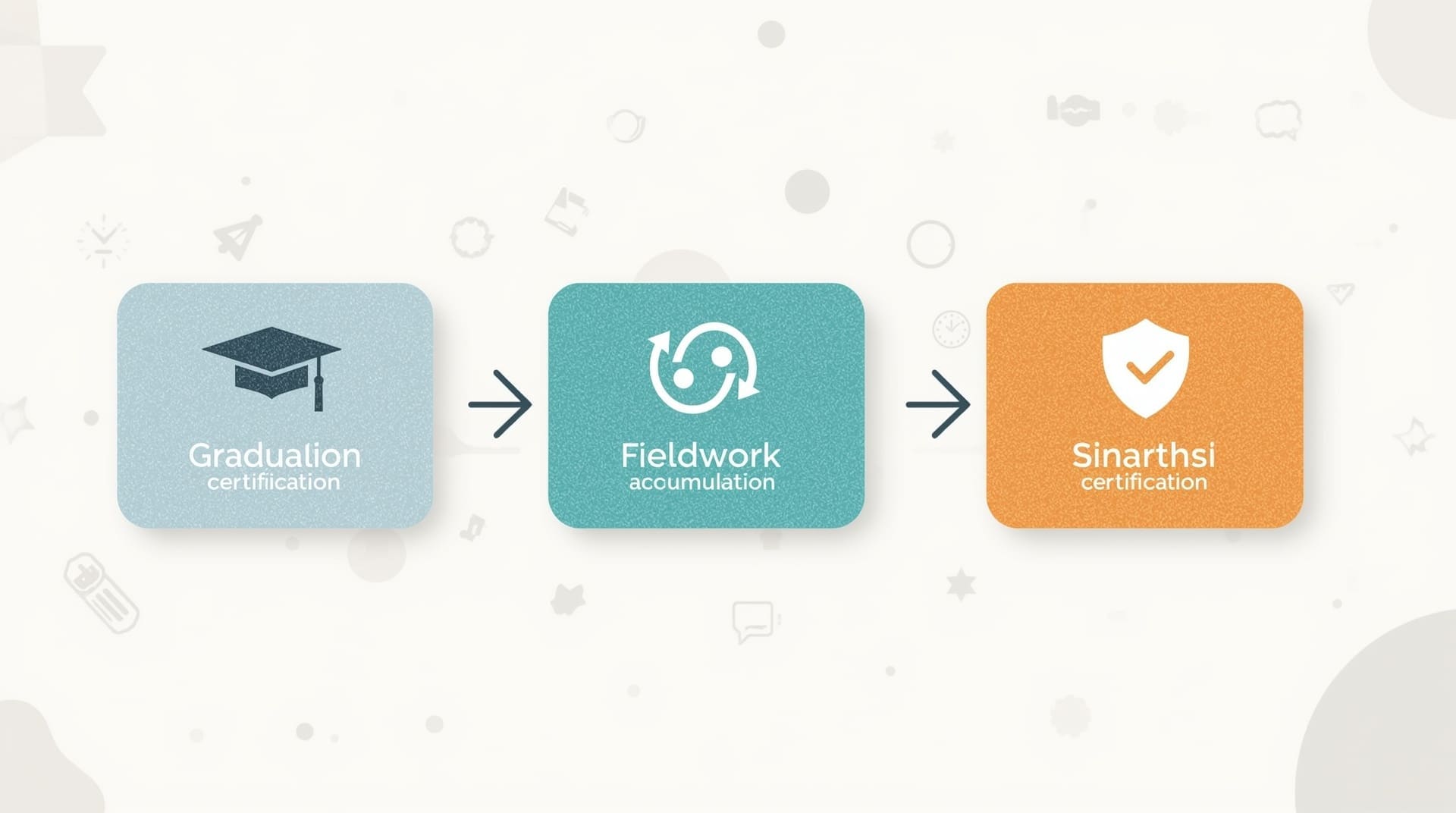
Before diving into each step, it helps to see the full picture. The BACB requires three core things: the right degree, supervised fieldwork hours, and a passing score on the BCBA exam. Each requirement builds on the last, so you move through them in order.
| Requirement | What It Involves | Minimum Amount |
|---|---|---|
| Graduate Degree | Master’s in behavior analysis or related field | 1 degree (BACB-approved coursework) |
| Supervised Fieldwork | Practical hours under a qualified BCBA supervisor | 2,000 hours (concentrated) or 1,500 (intensive) |
| BCBA Exam | National multiple-choice certification exam | Passing score required |
| Ethics & Compliance | Background check and BACB ethics code agreement | Required before application approval |
Step One: Earn a Qualifying Graduate Degree
The first formal step toward your BCBA certification is completing a master’s degree in behavior analysis, psychology, education, or a closely related field. The degree program must include BACB-approved coursework. This coursework covers the foundational concepts of ABA, such as reinforcement, behavior measurement, and ethical practice.
Many universities now offer dedicated master’s programs in applied behavior analysis, both in person and fully online. When choosing a program, verify that it is listed in the BACB’s university course sequence directory. Picking a non-approved program means your coursework will not count toward certification, so this check is essential before you enroll.
Most master’s programs take two to three years to complete. Some students finish faster by attending full time or by entering a combined bachelor’s and master’s track offered by select universities.
Step Two: Complete Your Supervised Fieldwork Hours

After (or sometimes during) your graduate program, you must log supervised fieldwork hours working directly in behavior analysis settings. The BACB calls this experience either “concentrated fieldwork” or “intensive practicum,” and each track has a different hourly requirement. Both options require oversight from a qualified BCBA supervisor who reviews your work and provides structured feedback.
Your supervisor must meet BACB standards and dedicate a set percentage of your total hours to direct observation and meetings. You cannot simply log time on the job without formal supervision in place. Many ABA clinics, schools, and therapy organizations offer structured supervision programs for aspiring BCBAs, making it easier to meet the requirement while gaining real experience.
Finding a Supervisor in Florida
In South Florida and the Keys, ABA therapy organizations often employ BCBAs who are available to supervise candidates. Reach out to clinics, school districts, and behavioral health nonprofits in your area. Building a relationship with a supervisor early in your graduate program keeps you on track to finish your hours on time.
Step Three: Pass the BCBA Certification Exam
Once you complete your degree and supervised hours, you can apply to sit for the BCBA exam through the BACB. The exam is a computer-based test with multiple-choice questions that cover the full scope of behavior analysis practice. It tests your ability to apply ABA principles, not just recall definitions.
The BACB publishes a detailed task list that outlines every content area covered on the exam. Most candidates spend two to four months studying using that task list as their guide. Study tools include prep courses, flashcard systems, and practice exams from a range of providers. A first-attempt pass rate of roughly 60 percent means serious preparation matters.
Exam Application and Fees
You submit your application through the BACB portal. After approval, you register for a test date at a Pearson VUE testing center. The exam application fee is set by the BACB and changes periodically, so check the BACB website for the current amount. You typically have 90 days to schedule and sit for the exam after your application is approved.
The Real Costs of Becoming a BCBA
Knowing the financial investment upfront helps you plan realistically. The costs fall into three main buckets: graduate school tuition, supervision fees, and exam-related expenses.
- Graduate tuition: Program costs vary widely. Online programs often run between $15,000 and $40,000 total. In-state public university programs tend to be on the lower end. Private or out-of-state programs can cost more.
- Supervision fees: Not all supervisors charge a fee, especially when you work for an ABA organization that includes supervision. Independent supervisors typically charge $50 to $150 per session. Your total cost depends on how many supervision meetings you need.
- BACB exam fees: The BACB charges an application fee plus a separate exam registration fee. Combined, expect to pay several hundred dollars for this step.
- Study materials: Prep courses and practice exams range from free resources to $200 or more for structured programs.
- State licensure fees: Florida requires BCBAs to obtain a state behavior analyst license. The application and renewal fees add a modest ongoing cost after initial certification.
Overall, many candidates invest between $20,000 and $50,000 to reach certification, depending on school choice and supervision arrangements. Employer-funded supervision and tuition reimbursement programs can lower that number significantly.
What the BCBA Career Path Looks Like Day to Day

Once certified, most BCBAs begin as direct clinical staff at an ABA therapy organization, school, or behavioral health center. Your daily work typically includes conducting client assessments, writing or updating behavior intervention plans, supervising behavior technicians, and meeting with families to review progress.
From there, the career can branch in several directions. Some BCBAs move into clinical director or regional director roles, managing teams of therapists. Others move into research, university teaching, or program development for school districts. A smaller group opens their own private practice or consulting firm.
In places like Key Largo and throughout the Florida Keys, BCBAs often work in community-based or in-home settings, traveling to clients rather than seeing them in a central clinic. This adds flexibility but also requires strong time management and the ability to work independently.
How Florida BCBAs Fit Into the ABA Therapy Landscape
Florida is one of the most active states for ABA services. State law requires insurance coverage for autism treatment, which drives demand for qualified BCBAs across urban and rural areas alike. Communities throughout South Florida and the Keys rely on BCBAs to lead therapy programs for children and families who need ongoing support.
Working in a region like the Keys means serving a tight-knit community where your professional reputation matters. Many BCBAs in Florida choose positions that let them work with families over multiple years, building deep clinical relationships and tracking meaningful long-term outcomes. That continuity is one of the most rewarding parts of the job.
Common Challenges on the Path to BCBA Certification
The BCBA path is rewarding, but it is not without real hurdles. Knowing them ahead of time helps you plan around them.
- Finding a qualified supervisor: In smaller communities, BCBA supervisors can be hard to find. Starting your search early and being willing to work remotely with a supervisor (where allowed) increases your options.
- Balancing work and school: Many candidates work full time while completing their graduate program. Strong time management and a supportive employer make this manageable.
- Exam preparation: The BCBA exam is rigorous. Candidates who treat studying like a second job tend to pass on their first attempt. Budget time for a structured study plan.
- Keeping up with BACB updates: The BACB revises its task list and requirements periodically. Staying current with those changes protects your timeline and your credential once earned.
Final Thoughts on How to Become a BCBA
The path to BCBA certification is clear, but it demands consistent effort over several years. You need the right graduate degree, documented supervised hours, and a passing exam score. The financial and time investment is real, but so is the career reward. BCBAs are among the most in-demand behavioral health professionals in the country, and the work creates measurable change in people’s lives.
If you are serious about this career, start by researching BACB-approved graduate programs and connecting with a local ABA provider who can support your supervision hours. The sooner you build those connections, the smoother your path will be. A career as a BCBA is not just a job, it is a long-term commitment to the science of helping others thrive.
Frequently Asked Questions About How to Become a BCBA
How long does it take to become a BCBA?
Most people take four to six years from starting their graduate program to earning certification. This includes two to three years for a master’s degree and one to two years of supervised fieldwork. The timeline depends on whether you attend full time or part time and how quickly you accumulate your required hours.
Can I become a BCBA with a bachelor’s degree only?
No. The BCBA credential requires a master’s degree or higher. A bachelor’s degree alone does not meet the BACB’s educational requirements. However, earning a bachelor’s degree in psychology, education, or a related field is a strong foundation before applying to a graduate program.
How much do BCBAs earn in Florida?
BCBA salaries in Florida vary by location, experience, and setting. Entry-level positions typically start in the mid-$60,000 range, while experienced BCBAs in clinical leadership roles can earn significantly more. Urban and suburban areas of South Florida often offer higher salaries than rural or rural-adjacent communities like the Keys, though cost of living also differs.
What is the difference between a BCBA and a BCaBA?
A BCaBA, or Board Certified Assistant Behavior Analyst, is a junior-level credential that requires a bachelor’s degree and fewer supervised hours. BCaBAs cannot independently supervise others or run their own programs. They must work under the oversight of a BCBA. Many people earn the BCaBA credential first and then pursue the full BCBA certification.
Do I need a Florida state license in addition to the BCBA credential?
Yes. Florida requires behavior analysts to hold a state-issued license separate from the BACB credential. The Florida Board of Clinical Social Work, Marriage and Family Therapy, and Mental Health Counseling oversees this licensure. You apply for the state license after earning your BCBA certification, and you must renew it on a regular schedule.