

Noticing something different about your child’s social behavior or communication style can raise a lot of questions. Level 1 autism signs are often subtle, which means they can go unnoticed for months or even years. Understanding what to look for gives you a head start on getting your child the right support.
Level 1 ASD, sometimes called low support autism, sits at one end of the autism spectrum. Children at this level communicate verbally and can often function in many everyday settings. Still, they face real challenges with social interaction, flexible thinking, and sensory processing that deserve attention and care.
Ready to learn more? Explore how our team can help after an evaluation with our autism diagnosis support services.
What Level 1 Autism Actually Means
The term “level 1” comes from the Diagnostic and Statistical Manual of Mental Disorders, Fifth Edition (DSM-5). The DSM-5 is the standard reference clinicians use to diagnose mental health and developmental conditions. Autism spectrum disorder is divided into three levels based on how much daily support a person needs.
Level 1 is defined as “requiring support.” That phrasing matters. It means the child does not require constant assistance, but they still need structured help to navigate social situations, transitions, and unexpected changes. Without support, everyday tasks and relationships become harder than they need to be.
Level 1 ASD replaced the older diagnosis of Asperger syndrome after the DSM-5 was published in 2013. Many families still use the term Asperger’s informally, but the clinical classification is now level 1 autism or level 1 ASD.
Core Social Communication Signs in Level 1 Autism

Social communication is usually where level 1 autism signs become most visible. Children may speak fluently and have strong vocabularies, but the back-and-forth flow of conversation feels off. They may talk at length about a topic they love without noticing the other person has lost interest.
Other social communication patterns include:
- Difficulty starting or maintaining a two-way conversation
- Trouble reading facial expressions, body language, or tone of voice
- Missing implied meanings, sarcasm, or jokes
- Responses that feel slightly out of step with the social moment
- Preferring scripted or rehearsed phrases over spontaneous speech
These signs do not mean the child is uninterested in others. Most children with level 1 autism do want friendships. The challenge is understanding the unwritten social rules that most peers pick up naturally and without instruction.
Restricted and Repetitive Behavior Patterns to Recognize
A second core area of level 1 autism signs involves restricted interests and repetitive behaviors. These patterns show up differently in each child, but certain themes are common. A child might become deeply focused on one specific topic, game, or object to the point where it dominates most of their conversations and free time.
Common repetitive behavior patterns include:
- Intense, narrowly focused special interests
- Strict daily routines and visible distress when routines change
- Repeating certain phrases, sounds, or movements (called stimming)
- Insisting that objects or arrangements stay exactly the same
- Difficulty shifting attention from one activity to another
Stimming, short for self-stimulatory behavior, can include hand-flapping, rocking, tapping, or repeating words. At level 1, stimming may be subtle enough that others dismiss it as a habit or quirk. Recognizing it as a pattern is part of getting an accurate picture of the child’s needs.
How Low Support Autism Differs From Other Levels
Low support autism, or level 1, differs from levels 2 and 3 primarily in the amount of daily assistance required. At level 1, children typically develop spoken language and can manage basic self-care. Their challenges are real but often less visible in structured environments like classrooms with clear rules.
The tricky part is that level 1 children often learn to “mask,” meaning they consciously copy social behaviors to blend in. Masking can hide the signs at school or with adults, but it takes significant mental energy. Many children who mask heavily experience anxiety, exhaustion, and emotional meltdowns at home after holding everything together all day.
If you want a side-by-side comparison, understanding level 2 autism symptoms can help you see where the boundaries between levels lie and why those distinctions matter for planning support.
| Feature | Level 1 (Low Support) | Level 2 (Moderate Support) |
|---|---|---|
| Verbal communication | Present, sometimes advanced | Limited or atypical |
| Daily routine dependence | Moderate, manageable with prep | High, disruptions are distressing |
| Social masking ability | Often present | Less common |
| Independent functioning | Higher in structured settings | Requires consistent adult support |
Sensory Sensitivities That Often Accompany Level 1 ASD
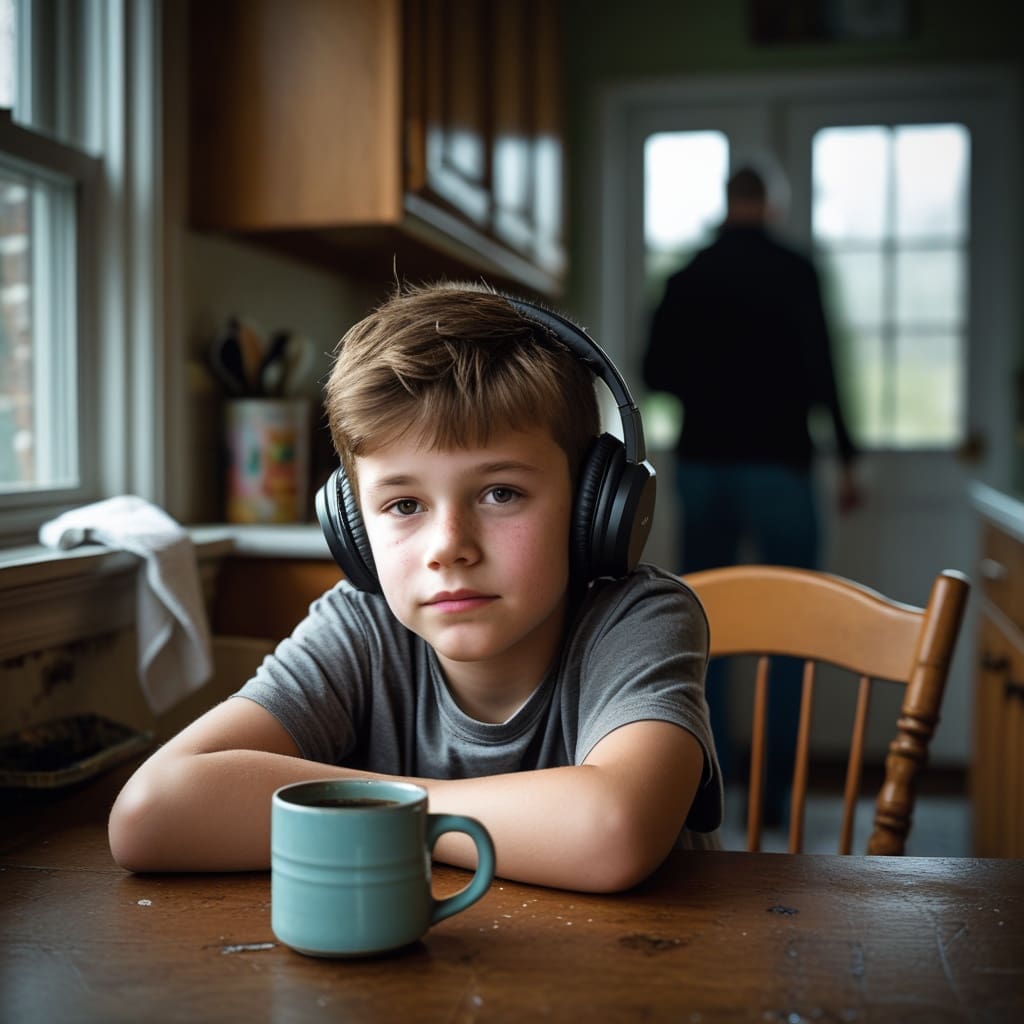
Sensory processing differences are common in level 1 ASD, though they are not required for a diagnosis. A child may be over-sensitive to certain sounds, textures, lights, or smells. Everyday environments like cafeterias or busy hallways can feel genuinely overwhelming, even when the child looks calm on the outside.
Under-sensitivity is also possible. Some children seek out intense sensory input, such as pressing hard on objects, craving tight hugs, or spinning. These behaviors help regulate their nervous system.
Sensory differences at level 1 often go unrecognized because the child manages them quietly. They may avoid certain foods, refuse specific clothing, or choose isolated spots on the playground without anyone understanding why. Identifying these patterns early helps caregivers create environments that reduce unnecessary stress.
Emotional Regulation Challenges in Level 1 Autism

Children with level 1 autism often struggle to identify, name, and manage their own emotions. This is not a behavioral choice. It reflects differences in how the brain processes emotional information and links feelings to words. The clinical term for difficulty identifying emotions is alexithymia.
When emotional regulation breaks down, the result is often labeled a “meltdown” or a “tantrum.” A meltdown is different from a tantrum. A tantrum is goal-directed behavior aimed at getting something. A meltdown is a neurological overload response with no social purpose. The child is not trying to manipulate anyone. They have simply exceeded their capacity to cope.
Recognizing this distinction helps parents respond with de-escalation rather than discipline. It also helps clinicians design support plans that actually address the root cause instead of just the surface behavior.
How Level 1 Autism Signs Show Up at Different Ages

Level 1 autism signs do not always appear on the same timeline in every child. Some families notice early social differences before age three. Others do not see clear patterns until the social demands of school shift and become more complex.
Toddlers and Preschoolers
In very young children, early signs may include limited eye contact, delayed back-and-forth play, or a strong preference for solitary activities. The child may also show an unusually detailed memory for certain topics or a rigid attachment to routines. These signs are easy to overlook because many toddlers go through phases of strong preferences and resist change.
School-Age Children
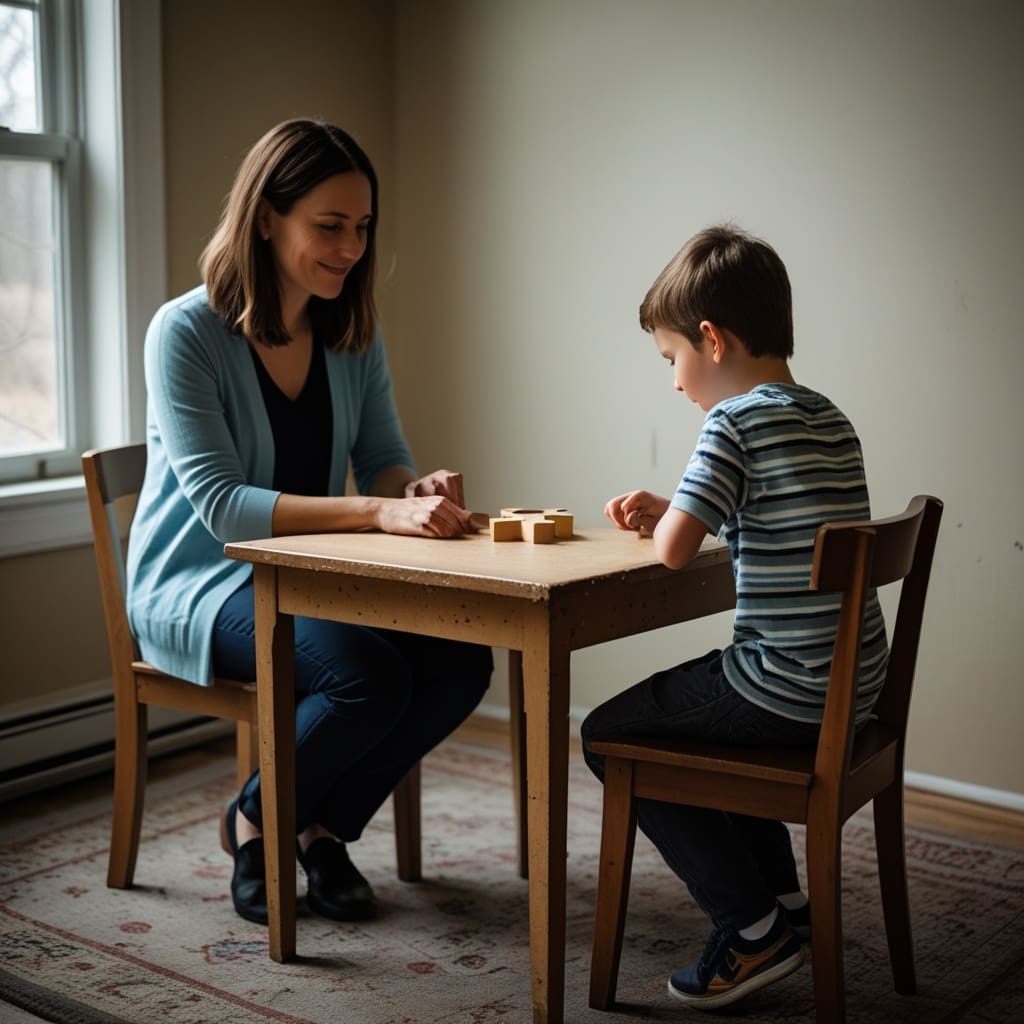
Once a child enters kindergarten or first grade, the social gap often becomes clearer. Peers follow unspoken rules about turn-taking, group play, and humor that the child with level 1 autism struggles to grasp. They may be excluded from groups not out of cruelty but because their social style feels puzzling to other kids. Academic performance may be strong, which can delay referrals for evaluation.
Preteens and Teenagers
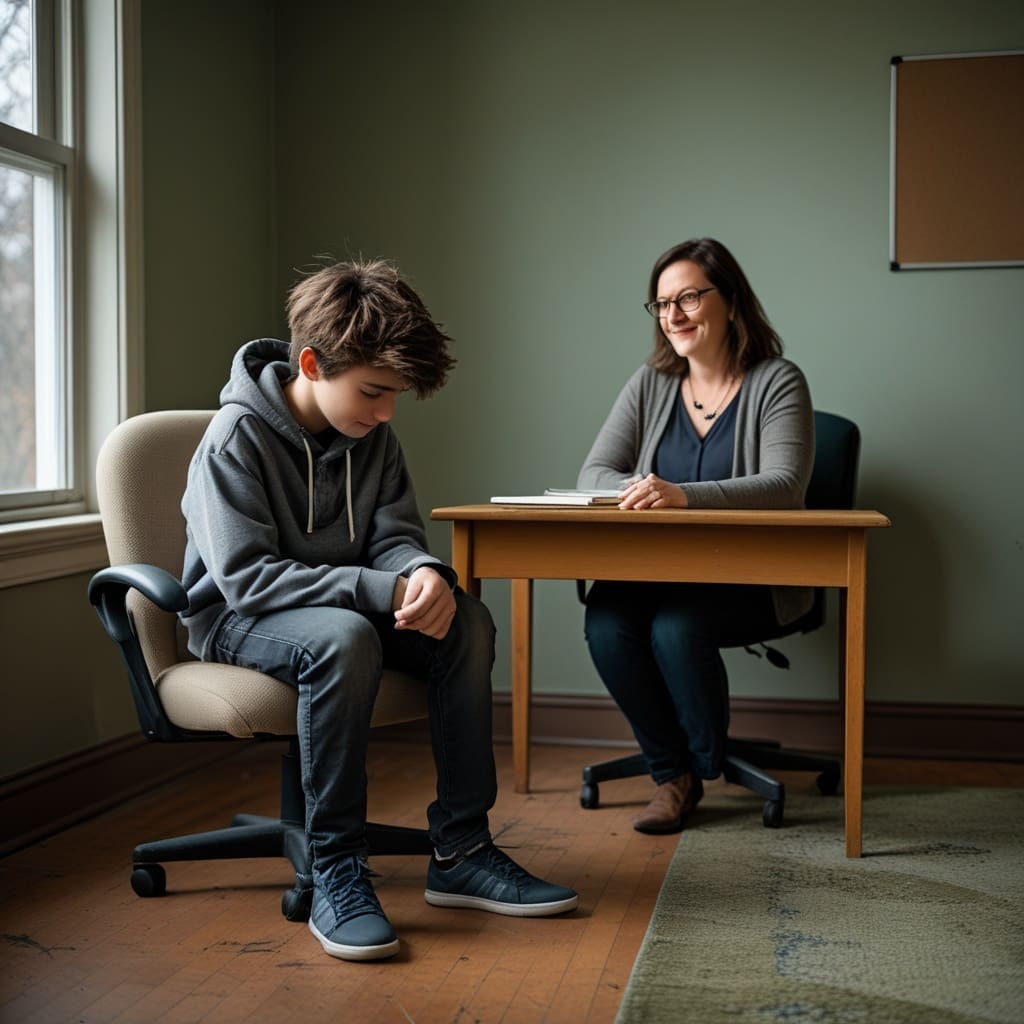
Social complexity increases sharply in middle school. Friendships, romantic interest, and peer hierarchies all require rapid reading of nonverbal cues. Teens with level 1 autism often feel isolated even when surrounded by people. Anxiety and depression become more common during these years, partly because the gap between what they observe in peers and what they can replicate becomes more apparent.
Common Misdiagnoses That Delay Level 1 ASD Recognition
Because level 1 autism signs are subtle, children are often diagnosed with something else first. Anxiety disorder, ADHD, social anxiety, and oppositional defiant disorder are all common misdiagnoses before level 1 ASD is identified. Each of those conditions can also co-occur with autism, which adds another layer of complexity.
Girls and children assigned female at birth are particularly likely to be missed or misdiagnosed. Research suggests girls are more likely to mask effectively and to mimic social behavior by watching peers closely. They tend to receive their diagnoses later than boys, sometimes not until adolescence or adulthood.
A thorough evaluation by a psychologist or developmental pediatrician who is familiar with level 1 ASD presentation is the most reliable path to an accurate diagnosis. Relying solely on a brief screening tool is rarely sufficient for this level.
What Parents Can Do After Recognizing These Signs
If you recognize several of these patterns in your child, the next step is documentation and professional evaluation. Keep a written log of specific behaviors, noting when they occur, how long they last, and what seems to trigger them. This record gives evaluators much more useful information than a general description.
Request an evaluation through your child’s school district or your pediatrician. School districts in Florida are required to evaluate children suspected of having a disability at no cost to the family. Private evaluations through a neuropsychologist provide more depth and are worth considering if the school evaluation feels incomplete.
Parent training and support resources can also be valuable at this stage. Learning how to respond to your child’s specific signs reduces conflict at home and helps you advocate effectively in school meetings and medical appointments. You do not need to wait for a formal diagnosis to start learning.
Support Options That Make a Real Difference for Level 1 ASD
A level 1 diagnosis opens the door to several evidence-based support options. The right combination depends on your child’s specific profile of strengths and challenges.
Common support strategies include:
- Applied behavior analysis (ABA) therapy: ABA therapy uses structured techniques to build communication, social, and adaptive skills. It can be delivered in clinic, home, or school settings.
- Social skills therapy: Group or individual sessions focused on reading social cues, conversation skills, and friendship-building strategies.
- Cognitive behavioral therapy (CBT): Particularly helpful for anxiety and emotional regulation challenges that often accompany level 1 ASD.
- Occupational therapy: Addresses sensory processing differences and builds skills for daily living tasks.
- Speech-language therapy: Even verbally fluent children can benefit from work on pragmatic language, which is the social use of communication.
Early intervention consistently produces better long-term outcomes. The brain is most responsive to skill-building during the early years, but meaningful progress is possible at any age. Getting support sooner simply gives your child more time to build on it.
Final Thoughts on Level 1 Autism Signs
Spotting level 1 autism signs early is one of the most valuable things a parent, teacher, or clinician can do for a child. The signs are real even when they are subtle, and the challenges are genuine even when the child looks like they are “doing fine.” Waiting to see if a child grows out of social difficulties is a common but costly mistake.
Whether your child is a toddler showing early social quirks or a teenager struggling to connect with peers, understanding the full picture of level 1 ASD gives you a clear direction. Support works. It just works best when it starts early and fits the child’s actual needs.
Frequently Asked Questions About Level 1 Autism Signs
What is the difference between level 1 autism and Asperger syndrome?
Asperger syndrome was removed as a separate diagnosis when the DSM-5 was published in 2013. It is now classified as level 1 ASD. The core characteristics are largely the same: strong verbal skills, average to above-average intelligence, and significant challenges with social interaction and flexible thinking. Clinicians no longer use the Asperger label officially, though many families and adults still identify with it.
Can a child with level 1 autism lead an independent life as an adult?
Many adults with level 1 ASD live independently, hold jobs, and maintain relationships. The outcome depends on many factors, including the quality and timing of early support, individual strengths, and access to ongoing resources. Level 1 does not set a ceiling on what a person can achieve. It identifies the kind of support that helps them get there.
How is level 1 autism diagnosed?
Diagnosis requires a comprehensive evaluation by a qualified professional, typically a psychologist, developmental pediatrician, or neuropsychologist. The process usually includes behavioral observation, parent and teacher interviews, standardized testing, and review of developmental history. There is no single test or blood panel that confirms autism. The evaluation combines multiple data sources to form a clinical picture.
Are level 1 autism signs different in girls than in boys?
Yes, presentation can differ by gender. Girls with level 1 ASD are more likely to mask their difficulties by closely watching and copying peers. Their special interests may appear more socially typical, such as an intense interest in a popular TV show or animals. This masking often delays diagnosis. Clinicians who are aware of these gender differences are better equipped to identify level 1 ASD in girls accurately.
At what age do level 1 autism signs typically become noticeable?
Some signs appear in toddlerhood, particularly around social play and language use. However, for many children with level 1 ASD, the signs become most apparent when social demands increase, usually around kindergarten or first grade. Others are not identified until middle school or even adulthood. The subtlety of level 1 signs and the ability to mask are the main reasons recognition can be delayed.