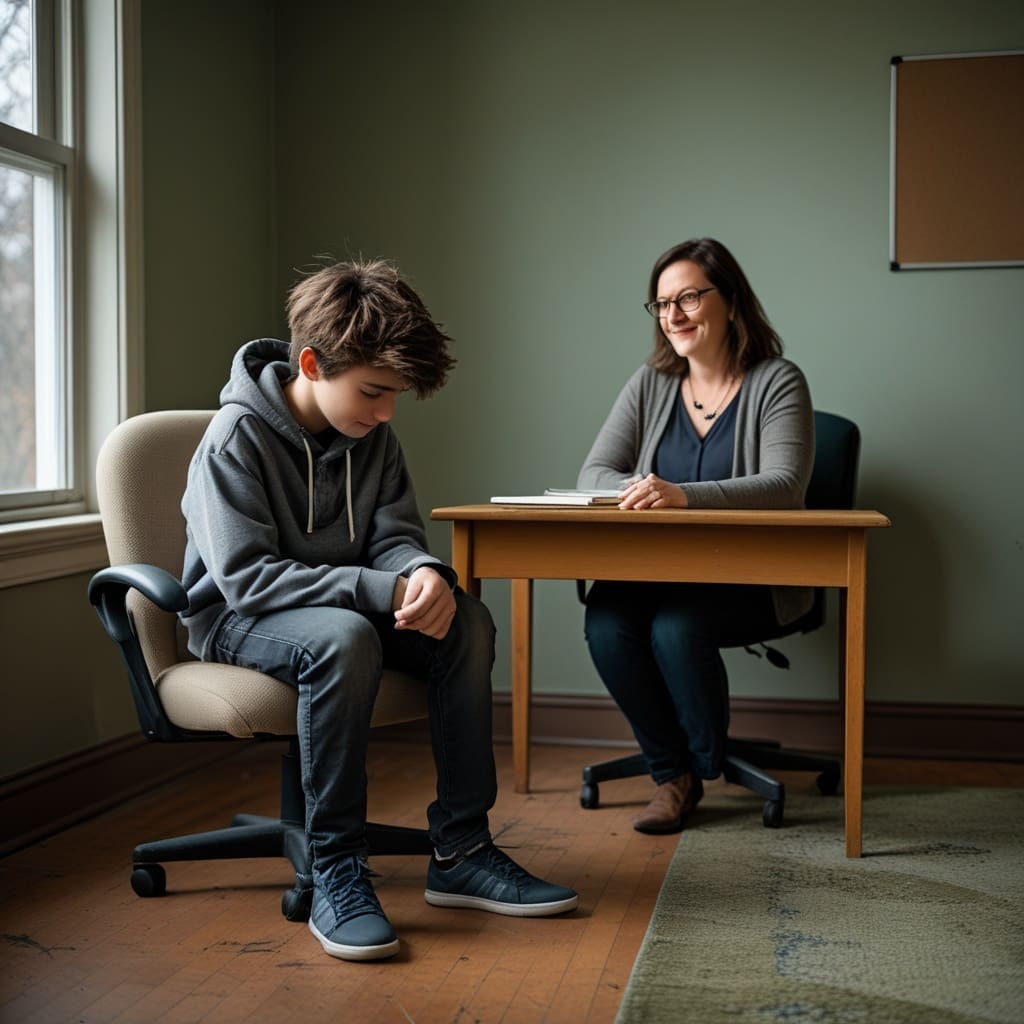


Social communication is the ability to use language, gestures, and facial expressions to connect with other people. For children with Level 1 autism, this set of skills can be genuinely difficult, even when their vocabulary and intelligence are strong. The gap between what they know and how they connect with others is often misunderstood by families, schools, and peers.
Level 1 autism, sometimes called “high-functioning” autism, means a child needs some support but can manage many daily tasks independently. The challenges are real but often subtle. Understanding exactly where social communication breaks down helps you get the right support before those gaps become bigger problems.
Ready to learn more? Explore how our team supports children through social skills therapy for autism at Sunshine Behavioral Health Services.
What Social Communication Actually Means

Social communication covers far more than just talking. It includes the back-and-forth flow of conversation, knowing when to speak and when to listen, and reading the unspoken signals that fill every human interaction. Researchers often break it into four areas: social interaction, social cognition, pragmatic language, and language processing.
Pragmatic language means using words in context. It includes adjusting your tone for a friend versus a teacher, staying on topic during a group conversation, and knowing that “nice weather, huh?” is a greeting, not a question about meteorology. These adjustments happen automatically for most people, but children with Level 1 autism often have to learn them step by step.
How Level 1 Autism Affects Social Communication
Level 1 is the mildest support level on the autism spectrum. Children at this level typically speak in full sentences and can hold basic conversations. However, they often struggle with the nuanced, unspoken rules that make social interaction feel natural to others.
Common challenges include:
- Starting or ending conversations smoothly
- Staying on a topic that interests the other person, not just themselves
- Understanding humor, sarcasm, and figures of speech
- Adjusting communication style for different people and settings
- Picking up on hints that someone is bored, upset, or wants to leave
These difficulties are not about intelligence or effort. The brain simply processes social information differently, which makes the unwritten rules of conversation harder to learn without direct instruction.
Reading Social Cues in Autism

Social cues autism researchers study include eye contact patterns, body language, facial expressions, tone of voice, and proximity to another person. Together, these signals carry much of what is actually being communicated in any conversation. A raised eyebrow, a slight pause, or a shift in posture can completely change the meaning of a sentence.
Children with Level 1 autism often miss these cues or interpret them incorrectly. A friend who crosses their arms might be cold, not angry, but a child who struggles to read body language may assume hostility and pull back from the friendship. Over time, these small misreads can add up and affect a child’s confidence and willingness to try new social situations.
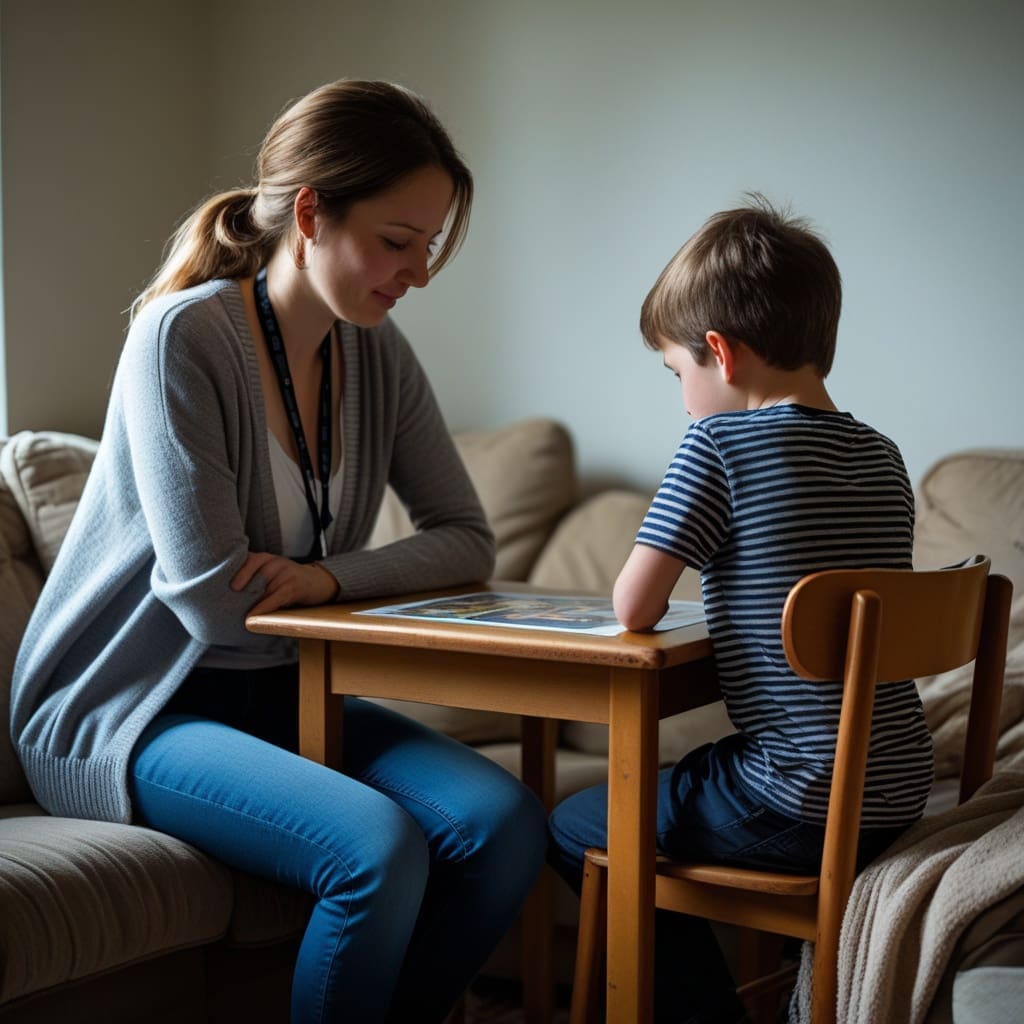
Teaching social cue recognition is a core goal in therapy. Therapists use video modeling, role-play, and real-time coaching to help children identify what a cue looks like and what it typically means. Practice in safe, structured settings builds the awareness that transfers to the real world.
The Role of Theory of Mind in Social Communication
Theory of mind is the ability to understand that other people have thoughts, feelings, and perspectives different from your own. It is what lets you guess how a friend feels after losing a game, or understand why a joke lands differently depending on who hears it. Children with Level 1 autism often develop theory of mind later than their peers, and some areas remain harder throughout childhood.
This gap affects social communication in practical ways. A child may share every detail of their favorite topic without noticing that the listener has tuned out. They may answer a question literally when the other person was looking for emotional support. They are not being selfish or rude. They are working with a brain that finds perspective-taking genuinely difficult.
Therapy that targets theory of mind teaches children to pause and ask, “What might the other person be thinking or feeling right now?” With practice, this habit becomes more automatic and changes the quality of their interactions significantly.
Building Social Skills With Structured Support

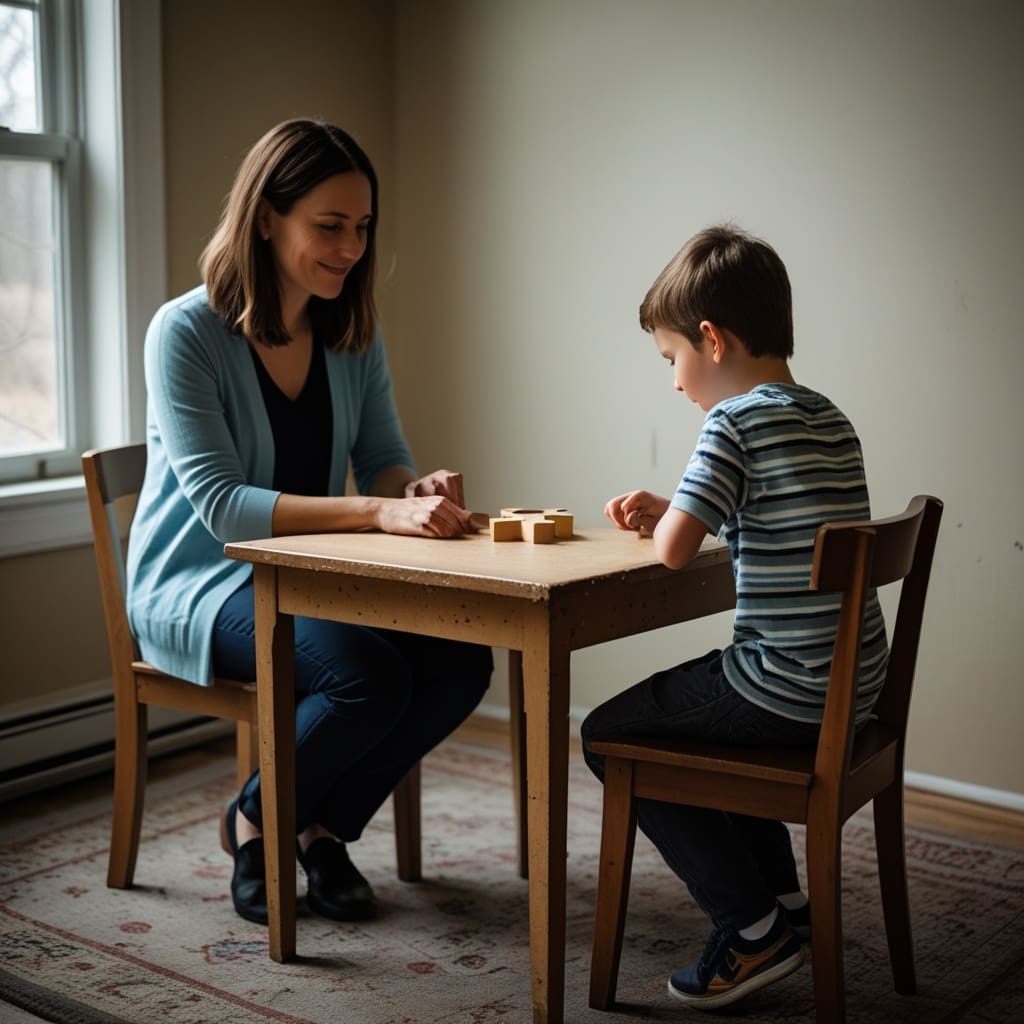
Social skills are the specific behaviors that make communication work in everyday settings. They include things like making eye contact, taking turns, giving compliments, asking follow-up questions, and knowing how to enter or exit a group conversation. For children with Level 1 autism, these behaviors rarely develop naturally through observation alone. They need to be taught directly and practiced repeatedly.
Applied Behavior Analysis, or ABA, is one of the most researched approaches for teaching social skills to children with autism. ABA breaks complex social behaviors into smaller, learnable steps. A therapist might start with teaching a child to greet someone by name, then progress to asking a question, then listening to the answer, and finally responding to what was said. Each step is practiced until it becomes reliable before the next is added.
Group social skills programs are especially effective because they create a real audience for practice. Children learn to navigate actual peer dynamics, not just rehearsed scenarios with adults. Over time, they build confidence alongside competence.
Common Patterns That Show Up at School and Home
Social communication challenges in Level 1 autism often show up differently depending on the setting. At school, a child might struggle during unstructured time like lunch or recess, where social rules are unclear and change quickly. They may prefer to play alone or gravitate toward younger children whose social demands feel more manageable.
At home, the same child may seem perfectly fine. They can hold long conversations with family members, show affection, and follow routines comfortably. This contrast confuses many parents and sometimes leads teachers to underestimate the child’s struggles at school. It also leads some families to wonder if the diagnosis is accurate.
Both observations are correct. Children with Level 1 autism often have a “social battery” that drains faster in unpredictable environments. Familiar settings with trusted people are much easier to navigate. Recognizing this pattern helps you advocate for the right level of school support without dismissing what you see at home.
How Anxiety Intersects With Social Communication
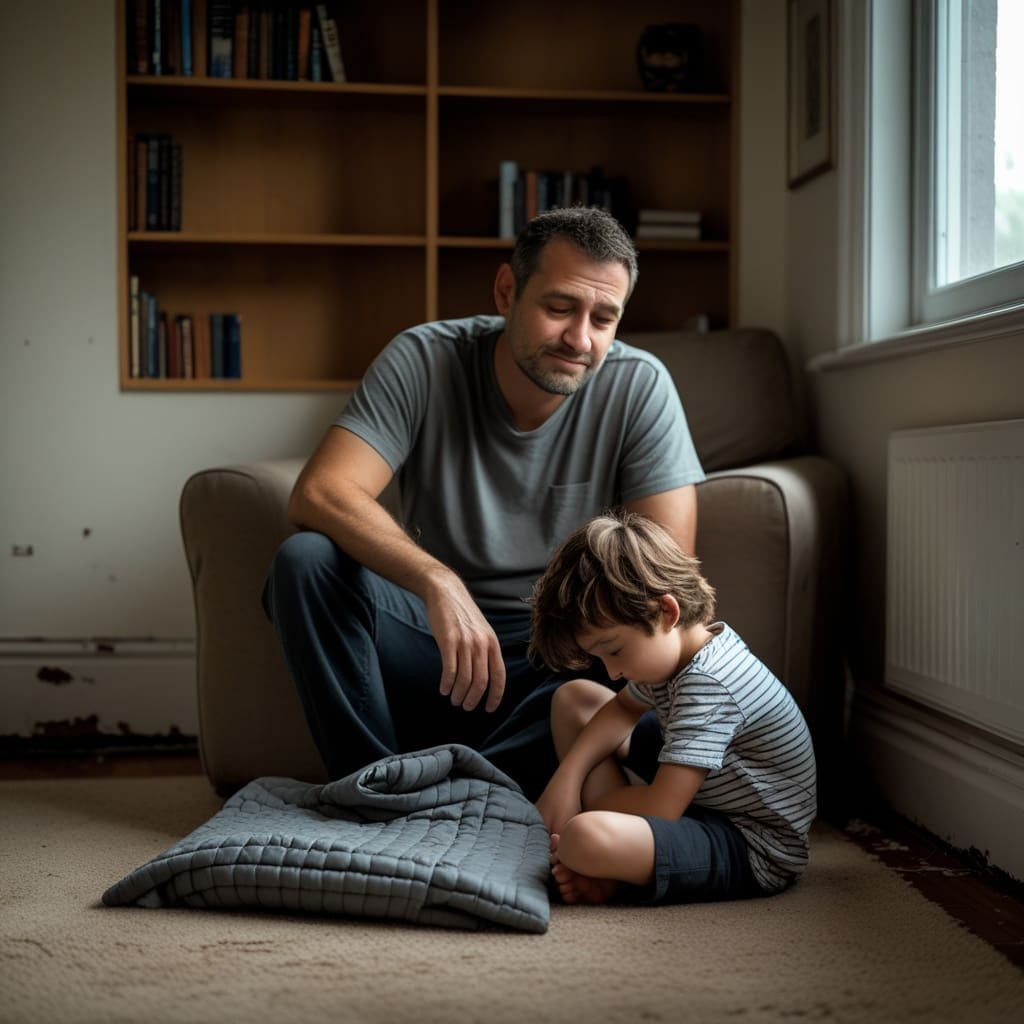
Anxiety is extremely common in children with Level 1 autism, and it directly affects social communication. When a child is anxious about saying the wrong thing, misreading a peer, or being excluded, they may go quiet, avoid eye contact, or refuse to participate in group activities. From the outside, this can look like rudeness or shyness when it is actually fear.
The loop between anxiety and social difficulty is real. Poor social communication leads to misunderstandings, which create anxiety, which makes communication harder, which leads to more misunderstandings. Therapy that addresses both anxiety and social skills at the same time tends to produce better outcomes than targeting either one alone.
If your child shuts down in social situations, talk to their therapist about building in predictability. Knowing what to expect, having a plan for hard moments, and reviewing situations after they happen can all reduce the anxiety that holds social growth back.
What Therapy for Social Communication Looks Like
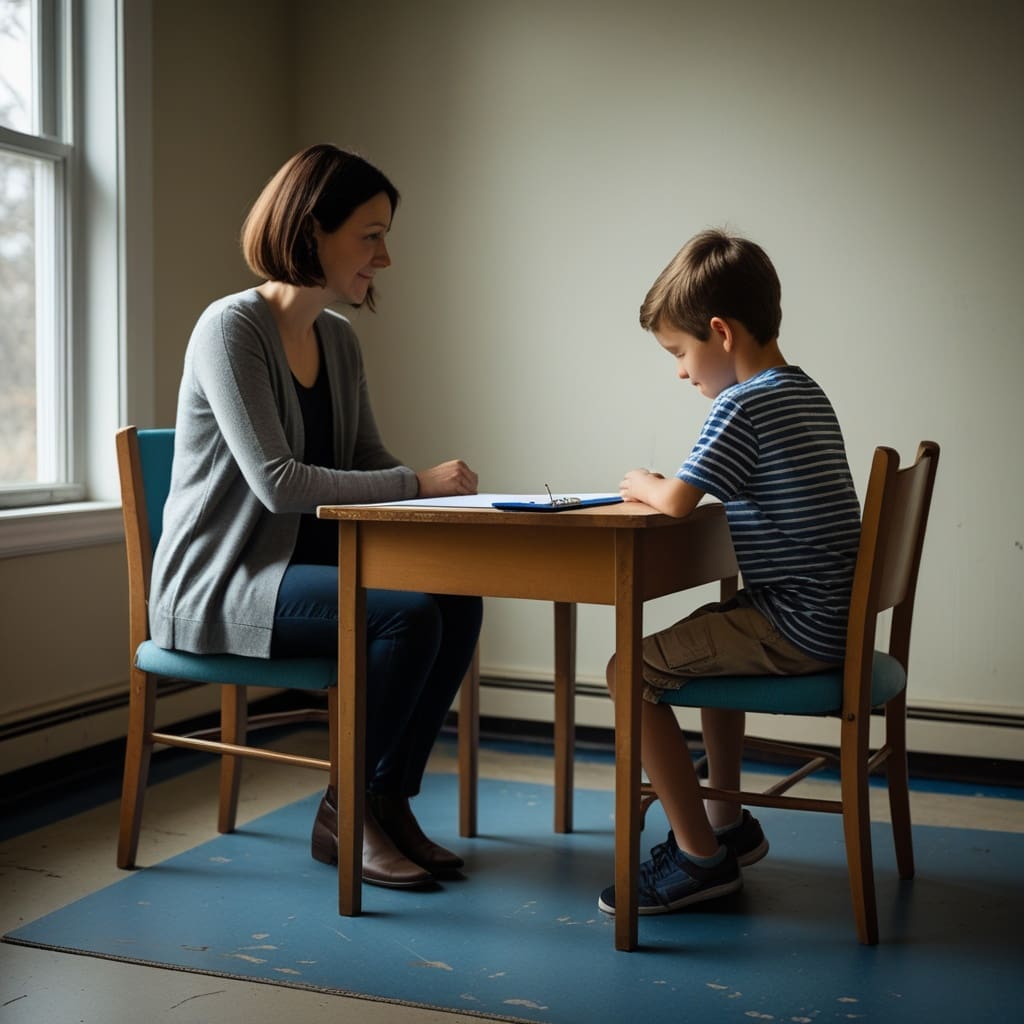
Effective therapy for social communication in Level 1 autism is structured, measurable, and built around real-life goals. A good therapist will start by assessing exactly where your child is: what they can do consistently, what they can do sometimes, and what is not yet in their skill set. Goals come from that baseline, not from a one-size-fits-all checklist.
Common therapy strategies include:
- Video modeling: Watching short clips of social interactions and identifying what is happening
- Role-play: Practicing specific scenarios like joining a game, asking for help, or handling a disagreement
- Social stories: Short, personalized narratives that walk through a situation step by step
- Peer-mediated practice: Working with typically developing peers in structured settings
- Parent coaching: Teaching caregivers how to reinforce skills during everyday moments at home
Progress takes time, but it is real. Many children with Level 1 autism develop strong, lasting friendships with targeted support. The goal is not to make them neurotypical. The goal is to give them the tools they need to connect on their own terms.
Key Factors When Choosing a Therapy Approach
Not every program works the same way for every child. Several factors shape which approach fits your child best, and understanding them helps you ask better questions when evaluating providers.
| Factor | What to Look For |
|---|---|
| Child’s current skill level | Baseline assessment before goals are set |
| Learning style | Visual, auditory, or practice-based instruction |
| Anxiety level | Integrated anxiety support alongside social skills work |
| Peer access | Group sessions vs. individual practice |
| Family involvement | Clear parent coaching and home strategies included |
| Progress tracking | Measurable goals reviewed regularly with the family |
Ask any potential provider how they measure progress and how often they update goals. A good program adjusts as your child grows. If a provider cannot give you clear answers about data collection and goal review, keep looking.
Supporting Social Communication Outside of Therapy
Therapy sessions give your child a structured place to learn and practice. But the real gains happen when those skills transfer to daily life. Families, teachers, and coaches all play a role in making that transfer happen.
At home, you can support social communication by creating low-pressure practice opportunities. Play simple board games that require turn-taking. Watch a TV show together and pause to ask, “Why do you think that character looked upset?” Narrate social situations in your own life so your child hears you thinking through what others might be feeling.
At school, work with your child’s team to build in structured social opportunities during the day. Many children with Level 1 autism benefit from lunch groups, buddy programs, or a quiet check-in with a counselor before recess. These supports reduce the unpredictability that drains the social battery fastest. Families in the Florida Keys area, including Key Largo, can connect with local providers who understand how to coordinate school and clinic-based support effectively.
Final Thoughts on Social Communication in Level 1 Autism
Social communication in Level 1 autism is not a single problem with a single fix. It is a set of skills that can be built over time with the right support, the right environment, and people who understand what is actually hard. Your child’s differences are real, and so is their capacity for growth.
The earlier you identify the specific areas where your child struggles, the sooner targeted support can begin. Whether that is reading social cues, managing anxiety in social settings, or building the social skills that make friendships possible, every step forward matters. You do not have to figure this out alone.
Frequently Asked Questions About Social Communication in Level 1 Autism
What is the difference between social communication in Level 1 and Level 2 autism?
Level 1 autism involves noticeable social communication challenges, but the child can generally speak in full sentences and function in most everyday settings with some support. Level 2 involves more significant communication difficulties and requires more substantial daily support. The core challenges overlap, but the intensity and the amount of support needed differ.
Can social communication improve with therapy?
Yes. Many children with Level 1 autism make significant gains in social communication through structured therapy. ABA, speech-language therapy, and targeted social skills programs all have strong research support. Progress depends on the child’s starting point, the quality of the program, and how consistently skills are practiced outside of sessions.
How do I know if my child’s social difficulties are autism-related or just shyness?
Shyness typically eases in familiar settings and with trusted people, and most shy children understand social cues even if they hesitate to act on them. Children with Level 1 autism may struggle to read social cues even in comfortable environments, and their social difficulties tend to be more consistent across settings. A formal evaluation from a qualified clinician is the most reliable way to know.
At what age should social communication therapy begin?
Earlier is generally better, but there is no age cutoff. Research supports early intervention, often starting in the preschool years, because the brain is especially responsive to learning during that window. However, children and even teenagers diagnosed later in childhood can still make meaningful progress with targeted support. Starting at any age is better than waiting.
How can I help my child practice social skills between therapy sessions?
Ask your child’s therapist for specific home strategies tied to the goals they are currently working on. Low-pressure practice during daily routines, such as games, shared screen time, and family conversations, is one of the most effective tools available. Narrating social situations, role-playing tricky scenarios, and reviewing challenging moments calmly can all reinforce what your child learns in sessions.