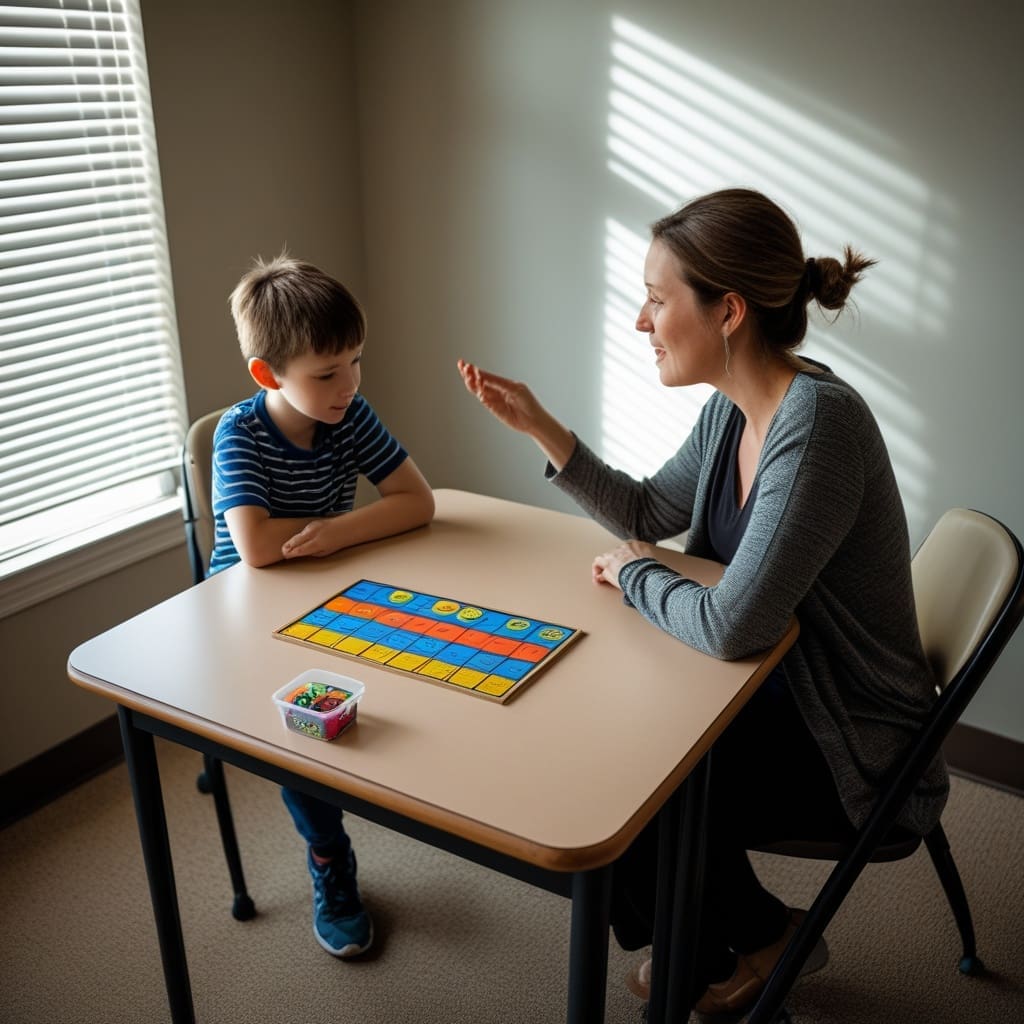

There is no single blood test or scan that diagnoses autism in teenagers, but several validated screening questionnaires and a formal diagnostic evaluation can identify autism spectrum disorder (ASD) with strong accuracy. These tools typically take between 15 minutes and several hours, depending on the depth of assessment. A screening questionnaire flags patterns that suggest further evaluation is warranted, while a full diagnostic workup, usually conducted by a psychologist or developmental pediatrician, confirms or rules out a diagnosis. Recognizing this two-step process matters, because many families mistakenly expect a quick yes-or-no answer from a single form.
According to the Centers for Disease Control and Prevention, roughly 1 in 36 children in the United States is identified with autism spectrum disorder, and a notable share of these individuals are not diagnosed until adolescence, particularly girls and teens with average or above-average intellectual ability. This section walks through the screening tools available, the diagnostic steps that follow, realistic costs, and what to expect once results come back.
Key Takeaways
- No single test diagnoses autism in teens; screening questionnaires (15 to 30 minutes) identify who needs a full evaluation.
- Common adolescent screening tools include the SRS-2, SCQ, AQ, and RAADS-R, each targeting slightly different age ranges and symptom profiles.
- A complete diagnostic evaluation typically involves 4 to 6 components and takes 4 to 8 hours spread across one or more appointments.
- Costs range from free (school-based screening) to $150 to $400 for sliding-scale clinics, and $2,000 to $5,000 for a comprehensive private neuropsychological evaluation.
- A positive screening result is not a diagnosis; it is a signal to pursue a formal evaluation with a licensed specialist.
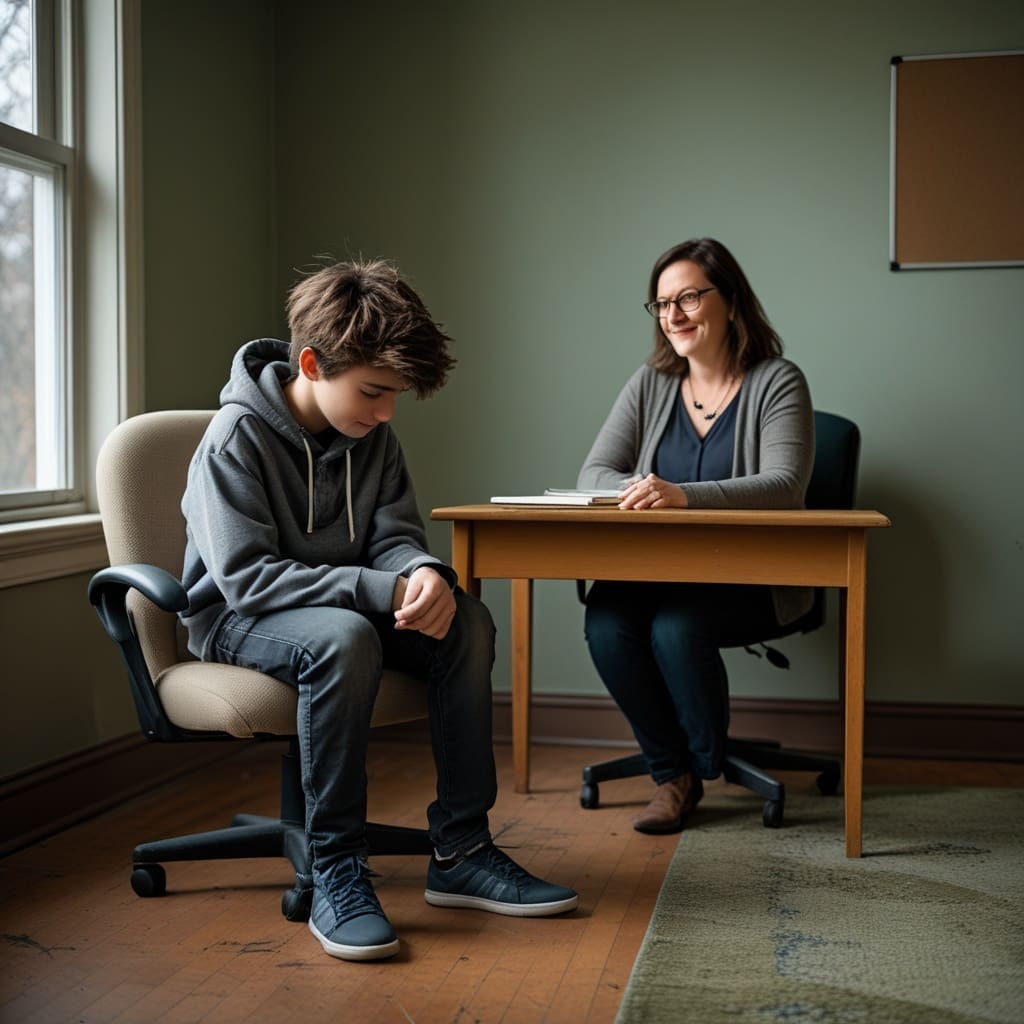
What Is an Autism Test for Teens?
An autism test for teens is not one exam but a combination of screening questionnaires and clinical assessments used to identify traits associated with autism spectrum disorder in adolescents ages 12 to 18. Screening tools are brief, often self-report or parent-report forms that assign a numeric score based on how closely a teen’s behavior matches known autism traits. A score above a set threshold does not confirm autism; it indicates that a full diagnostic evaluation should be scheduled.
The distinction between screening and diagnosis matters because screening tools are designed to be sensitive rather than definitive. They are built to catch as many potential cases as possible, which means false positives are common. A formal evaluation, by contrast, uses structured observation, developmental history, and standardized diagnostic criteria from the Diagnostic and Statistical Manual of Mental Disorders, Fifth Edition, Text Revision (DSM-5-TR) to reach a conclusion that carries clinical weight for school accommodations, therapy referrals, and insurance coverage.
What Screening Tools Are Used for Adolescents?
Several validated instruments are commonly used for autism screening for adolescents, and each one serves a slightly different purpose depending on age, cognitive ability, and who is completing the form.
- Social Responsiveness Scale, Second Edition (SRS-2): A 65-item questionnaire completed by a parent or teacher, taking about 15 to 20 minutes, used for ages 4 through 18. It measures social awareness, social communication, and repetitive behaviors.
- Social Communication Questionnaire (SCQ): A 40-item parent-report form that takes roughly 10 minutes, often used as a first-pass screen before referral to specialists.
- Autism Spectrum Quotient (AQ): A 50-item self-report questionnaire appropriate for teens ages 16 and older, taking around 15 minutes, with a score of 32 or higher out of 50 generally flagged for further evaluation.
- Ritvo Autism Asperger Diagnostic Scale-Revised (RAADS-R): An 80-item self-report tool designed for older teens and adults, particularly useful for identifying autism in individuals without intellectual disability who may have masked traits for years.
- Childhood Autism Spectrum Test (CAST): A 39-item parent-report questionnaire originally designed for children but sometimes adapted for early adolescence.
Per the Journal of Autism and Developmental Disorders, self-report tools like the AQ and RAADS-R tend to perform better for teens with strong verbal skills who have learned to mask social difficulties, while parent- or teacher-report tools like the SRS-2 and SCQ capture behaviors the teen may not recognize in themselves. Many clinicians use two or more tools together to get a fuller picture before recommending a full evaluation.
How Do These Tools Compare?
- SRS-2: Ages 4-18, parent/teacher report, 15-20 minutes, best for capturing social behavior across settings.
- SCQ: Ages 4 and up, parent report, 10 minutes, useful as a quick first screen.
- AQ: Ages 16+, self-report, 15 minutes, useful for verbally fluent teens.
- RAADS-R: Ages 16+, self-report, 20-30 minutes, useful for identifying masked traits.
- CAST: Ages 4-11 typically, sometimes used for younger adolescents, parent report, 10-15 minutes.
How Is Autism Diagnosed in Teenagers?
Diagnosing autism in a teenager generally follows a structured six-step process, and understanding each stage helps families set realistic expectations for timing and cost.
- Initial screening questionnaire (15 to 30 minutes): A pediatrician, school psychologist, or licensed counselor administers one or more of the tools listed above, either in person or as a take-home form.
- Developmental history interview (60 to 90 minutes): A clinician meets with parents or caregivers to review early childhood milestones, communication patterns, sensory sensitivities, and family history, often using a structured tool such as the Autism Diagnostic Interview-Revised (ADI-R).
- Direct observation session (45 to 60 minutes): The clinician conducts a structured, semi-scripted assessment such as Module 3 or Module 4 of the Autism Diagnostic Observation Schedule, Second Edition (ADOS-2), designed specifically for verbally fluent adolescents and adults.
- Cognitive and language testing (2 to 3 hours): Standardized IQ and language assessments, such as the Wechsler Intelligence Scale for Children (WISC-V), rule out or identify co-occurring conditions like ADHD, anxiety, or learning disorders.
- Feedback session (30 to 60 minutes): The evaluating clinician shares results, explains the diagnosis (or the reasons a diagnosis was not given), and outlines recommended next steps.
- Written report (2 to 4 weeks): A formal document summarizing findings is delivered, which schools and insurance companies typically require for accommodations or services.
The full process, from first screening to final report, usually spans 4 to 8 weeks, though wait times for an initial appointment with a developmental pediatrician or neuropsychologist can stretch to 3 to 6 months in many parts of the country, according to Autism Speaks. If your teenager is showing signs that concern you, it helps to understand what a diagnostic evaluation looks like for an adolescent showing these signs before scheduling that first appointment, since knowing the sequence in advance reduces anxiety for both parent and teen.
Where Should You Start With Autism Screening for Adolescents?
Begin with your teenager’s pediatrician, who can administer an initial screening questionnaire and provide a referral to a specialist if needed. School counselors and school psychologists can also conduct screenings under the Individuals with Disabilities Education Act (IDEA), often at no direct cost to families, particularly if academic or social difficulties are already affecting classroom performance.
Community mental health centers and university-affiliated psychology clinics are additional starting points, especially for families without private insurance. Many university training clinics, run through psychology doctoral programs, offer evaluations at reduced rates because the assessments are conducted by supervised graduate students under licensed faculty oversight.
How Much Does an Autism Evaluation Cost for a Teen?
Costs vary widely depending on where the evaluation takes place and whether insurance covers part of the process, but realistic figures fall into a few clear categories.
- School-based screening: Free, conducted through the school district under IDEA, though it may take 60 days from referral to completion under federal timelines.
- Pediatrician screening questionnaire: $0 to $50, often bundled into a regular office visit copay of $20 to $75.
- Sliding-scale community clinic evaluation: $150 to $400 total, based on household income.
- University training clinic evaluation: $300 to $800, roughly half the cost of a private practice.
- Private neuropsychological evaluation: $2,000 to $5,000, depending on the number of tests administered and the clinician’s credentials.
Many private insurance plans cover a portion of diagnostic testing when a physician documents medical necessity, though out-of-pocket costs after insurance often still fall between $500 and $1,500. It is worth confirming coverage details before scheduling, since some plans require prior authorization or limit coverage to specific CPT billing codes such as 96130 and 96131, which cover psychological testing evaluation services.
What Happens After a Positive Screening Result?
A positive screening score means your teenager should be referred for a comprehensive diagnostic evaluation, not that a diagnosis has already been made. Roughly 30 to 40 percent of teens who screen positive on tools like the SRS-2 or AQ do not go on to receive a formal ASD diagnosis after full evaluation, according to data reported by the Interactive Autism Network, since screening tools intentionally cast a wide net to avoid missing true cases.
A screening tool is a smoke detector, not a fire report. It tells you to look closer, not what you will find.
If the full evaluation confirms autism spectrum disorder, the clinician’s written report typically includes specific recommendations, such as social skills therapy, speech-language services, an Individualized Education Program (IEP) or 504 Plan at school, and in some cases a referral for co-occurring anxiety or depression treatment. If the evaluation does not confirm autism, the report often still identifies other conditions worth addressing, since traits that resemble autism can also stem from social anxiety disorder, ADHD, or trauma responses.
What Comes Next for Parents After a Diagnosis?
Receiving a formal autism diagnosis for a teenager often brings relief and uncertainty at the same time. Parents commonly report feeling validated that their concerns were taken seriously, while also feeling unsure how to adjust household routines, communication styles, or expectations around independence.
Structured parent training programs can make this transition smoother by teaching specific strategies for supporting a newly diagnosed teenager without inadvertently increasing conflict at home. If your family recently received a diagnosis, resources focused on helping your teen navigate life at home after a new diagnosis can offer concrete, practical steps rather than general reassurance, covering topics such as adjusting communication expectations, managing sensory needs at home, and coordinating with school staff on accommodations.
What Symptoms Might Prompt an Autism Screening in the First Place?
Parents, teachers, or teens themselves often notice patterns before any formal screening happens, including persistent difficulty reading social cues, intense focus on specific topics or routines, sensory sensitivities to noise or texture, or a strong preference for solitary activities over group settings. These observations typically prompt the initial conversation with a pediatrician or school counselor that leads to a screening questionnaire. This piece intentionally focuses on the screening and diagnostic process itself rather than a full symptom breakdown, since specific behavioral patterns and how they present differently across genders deserve their own dedicated discussion.
Frequently Asked Questions
Can a teenager be tested for autism without a parent’s involvement?
Generally, no, not before age 18. Most screening and diagnostic processes for minors require parental consent, though school-based evaluations under IDEA also require parental notification and consent before testing begins. Once a teenager turns 18, they can pursue an evaluation independently.
How accurate is an online autism test for teens?
Online versions of tools like the AQ can be useful starting points but are not diagnostic on their own. They lack clinical supervision and standardized scoring interpretation, so a high score should prompt a conversation with a pediatrician rather than serve as a final answer.
What is the difference between autism screening and a full evaluation?
Screening flags potential traits in 15 to 30 minutes; a full evaluation confirms or rules out diagnosis over 4 to 8 hours across multiple sessions. Screening tools are brief questionnaires, while evaluations include structured observation, developmental history, and cognitive testing performed by a licensed specialist.
Can a teenager with high verbal skills still have autism?
Yes, and this is one of the most commonly missed presentations. Teens with strong verbal ability, sometimes previously described under the outdated label “Asperger’s syndrome,” often mask social difficulties for years, which is exactly why self-report tools like the RAADS-R exist for this population.
Does insurance cover autism testing for teenagers?
Many private plans cover part of the cost when a physician documents medical necessity, though families often still pay $500 to $1,500 out of pocket. Coverage details depend on the specific plan, so calling ahead to confirm prior authorization requirements and covered CPT codes (commonly 96130 and 96131) saves time and prevents billing surprises.
Conclusion
Screening for autism in teenagers is a practical, well-defined process built on validated questionnaires and, when warranted, a comprehensive clinical evaluation. Starting with a pediatrician or school counselor costs little or nothing and takes as little as 15 minutes, while a full diagnostic workup typically runs 4 to 8 weeks and can cost anywhere from a few hundred dollars at a community clinic to several thousand dollars for a private neuropsychological assessment. The exact path depends on your teen’s insurance coverage, local wait times, and how complex their symptoms are. Some families start with a free online screener like the AQ-10 or CAST just to decide whether a formal appointment makes sense, then move to a pediatrician referral if the results raise concern. Others go straight to a developmental pediatrician or psychologist, especially if a teacher or therapist has already flagged specific behaviors worth a closer look. Whatever the outcome, taking that first screening step gives your teenager, and your family, a clearer path forward rather than continued uncertainty. A diagnosis, or even ruling one out, opens the door to the right support, accommodations, and peace of mind.