
Hand flapping can be a sign of autism, but it is not proof on its own, since many typically developing children flap their hands when excited or overwhelmed. This rapid, rhythmic movement of the wrists and hands falls under a broader category known as stimming, or self-stimulatory behavior. According to the Centers for Disease Control and Prevention’s ADDM Network 2023 report, roughly 1 in 36 children in the United States is identified with autism spectrum disorder, and repetitive motor behaviors like hand flapping appear in a large share of those diagnoses. Still, the movement alone tells you very little without looking at the full picture of a child’s development.
This article explains what hand flapping actually looks like in autism, why it happens, and what separates ordinary childhood excitement from a pattern that warrants closer attention from a pediatrician or developmental specialist.
Key Takeaways
- Hand flapping alone does not confirm autism; it must be considered alongside other developmental signs such as delayed speech, limited eye contact, and reduced social engagement.
- Per the CDC’s ADDM Network, autism now affects approximately 1 in 36 children in the United States, and repetitive behaviors like flapping appear in an estimated 80 to 90 percent of autistic children at some point, according to research published in the Journal of Autism and Developmental Disorders.
- Typically developing toddlers often flap briefly during moments of excitement, then stop as verbal skills grow, usually by age 3 to 4.
- Warning signs that warrant evaluation include flapping paired with no words by 16 months, loss of previously acquired skills, and minimal response to their name by 12 months.
- A formal autism evaluation typically costs between $1,000 and $5,000 out of pocket, though many state Medicaid programs and private insurers now cover it under mandates in all 50 states.
What Is Hand Flapping, Exactly?
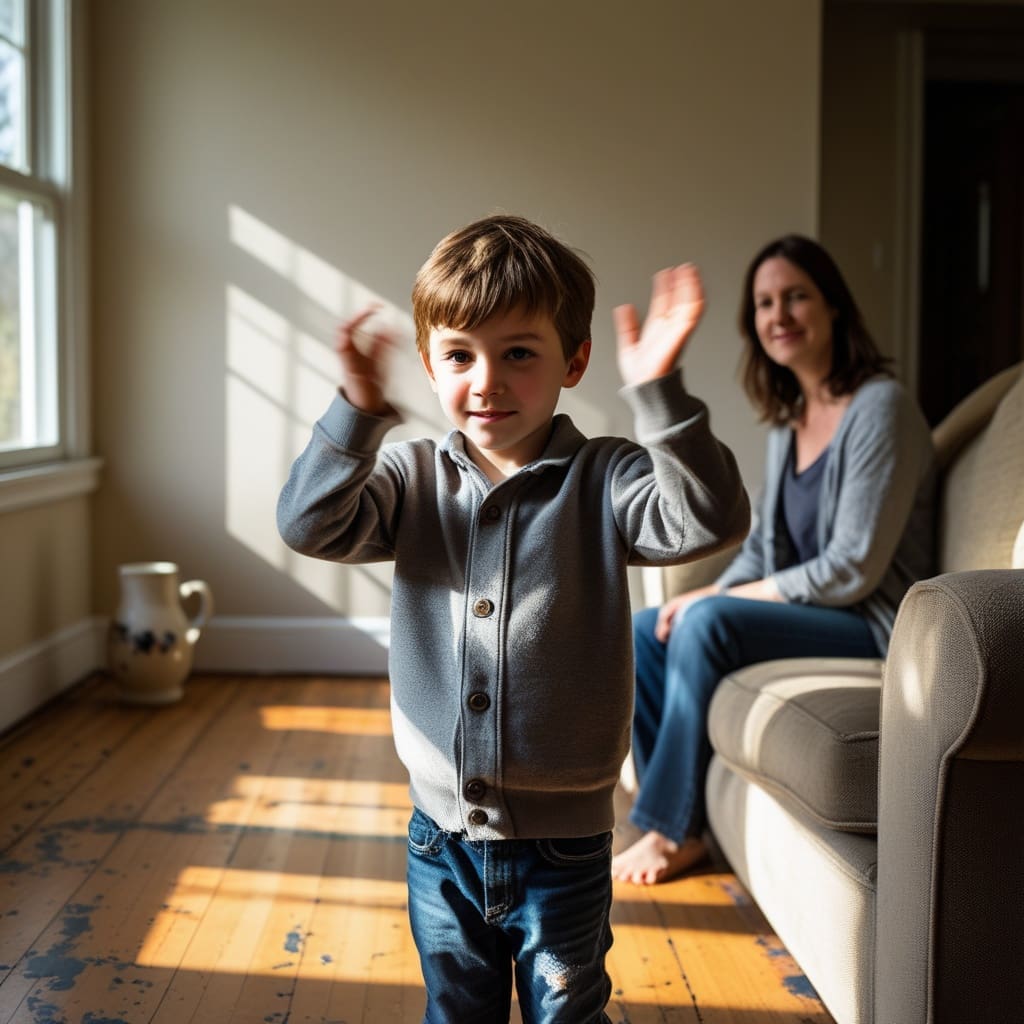
Hand flapping is a rapid, repeated shaking or waving of the hands and wrists, often at the sides of the body or near the face. It typically lasts a few seconds to a minute and can occur several times a day. Occupational therapists sometimes describe it as a form of stereotypic movement, a category of repetitive behaviors that also includes rocking, spinning, and finger flicking.
The movement is not random. It often follows a predictable pattern tied to a specific trigger, whether that is a favorite song, a burst of laughter, or a moment of frustration. Some children flap silently, while others pair the motion with vocal sounds or jumping.
Why Do Autistic Kids Flap Their Hands?
Autistic children flap their hands largely as a way to regulate sensory input and express strong emotion, whether that emotion is joy, anxiety, or frustration. Researchers at the Autism Speaks Autism Treatment Network have described stimming as a self-soothing mechanism that helps a child manage an overstimulating environment, such as a loud classroom or a crowded store.
For many autistic children, flapping serves several distinct purposes:
- Sensory regulation: it provides proprioceptive feedback, meaning the body senses its own movement, which can feel calming or organizing.
- Emotional release: excitement, frustration, and anxiety often need a physical outlet, and flapping offers one that does not require words.
- Communication: for a child with limited verbal language, flapping can signal internal states that they cannot yet describe out loud.
- Focus: some children flap while concentrating on a task, almost like an unconscious habit that supports attention.
This overlaps with broader stimming behaviors in autism, a topic covered more generally elsewhere, but the short version is that flapping is simply the most visible and most commonly recognized form of it.
Is Hand Flapping Always a Sign of Autism?
No, hand flapping is not always a sign of autism, since many neurotypical toddlers flap their hands during moments of high excitement, particularly between the ages of 1 and 3. A child jumping up and down at a birthday party or flapping while watching a favorite cartoon is usually just expressing joy in a physically uninhibited way. This kind of flapping tends to be occasional, tied to a clear trigger, and fades as the child develops more mature ways of expressing excitement, often by age 4.
How Common Is Hand Flapping in Autism?
Hand flapping and other repetitive motor behaviors appear in an estimated 80 to 90 percent of children on the autism spectrum at some point in early childhood, according to findings published in the Journal of Autism and Developmental Disorders. That said, the same research notes that flapping in isolation, without accompanying delays in language or social interaction, correlated poorly with an eventual autism diagnosis. In other words, flapping is common in autism, but plenty of children who flap never receive an autism diagnosis at all.
The presence of one repetitive behavior in isolation is rarely enough for a clinical determination; developmental specialists look for a cluster of signs across multiple domains before considering an autism diagnosis.
What Other Conditions Can Cause Hand Flapping?
Autism is far from the only explanation for hand flapping. Sensory processing differences, anxiety disorders, ADHD, and even simple childhood excitement can all produce similar movements. Some children flap during periods of intense concentration or when they are tired, hungry, or overstimulated, regardless of whether they fall anywhere on the autism spectrum.
Below is a general comparison of features that tend to separate typical excitement-driven flapping from flapping associated with autism spectrum disorder:
- Typical excitement flapping: occurs only during high-arousal moments, fades by age 4, and exists alongside age-appropriate speech and eye contact.
- Autism-associated flapping: occurs across varied contexts including calm ones, persists past age 5, and often appears with delayed speech, limited eye contact, or reduced response to name.
- Sensory processing differences: flapping tied specifically to certain textures, sounds, or lighting, without broader social or language delays.
- Anxiety-related flapping: tends to spike during specific stressful events, such as transitions or new environments, and lessens once the child feels secure.
None of these categories are mutually exclusive, and a child can show overlapping traits from more than one. That is exactly why clinicians rarely rely on a single behavior to reach a conclusion.
When Should You Worry About Hand Flapping?
You should consider a professional evaluation when hand flapping appears alongside developmental delays, rather than as an isolated habit. On its own, flapping at age 2 is common and often unremarkable, but combined with certain other signs, it becomes more clinically significant.
The following signs, drawn from the CDC’s developmental milestone checklist and the M-CHAT-R/F screening tool (a 20-question autism screener used in most pediatric practices), suggest a conversation with your pediatrician is warranted:
- No words by 16 months: a child with no single spoken word by this age, combined with frequent flapping, should be screened.
- No response to name by 12 months: limited response to their own name called from across a room is a notable early flag.
- Loss of previously learned skills at any age: a child who stops using words or gestures they once had should be seen promptly, ideally within 2 to 4 weeks.
- Minimal eye contact by 18 months: rare or fleeting eye contact during play or feeding is worth mentioning at the next well-child visit.
- Flapping intensifies during calm moments: movement that shows up during quiet, low-stimulation activities, not just excitement, deserves attention.
- No two-word phrases by 24 months: absence of simple phrases like “more juice” by this age is a standard screening threshold.
If two or more of these signs appear together with hand flapping, schedule a developmental screening within the next 30 days rather than waiting for the next annual checkup.
How Is Hand Flapping Autism Diagnosed?
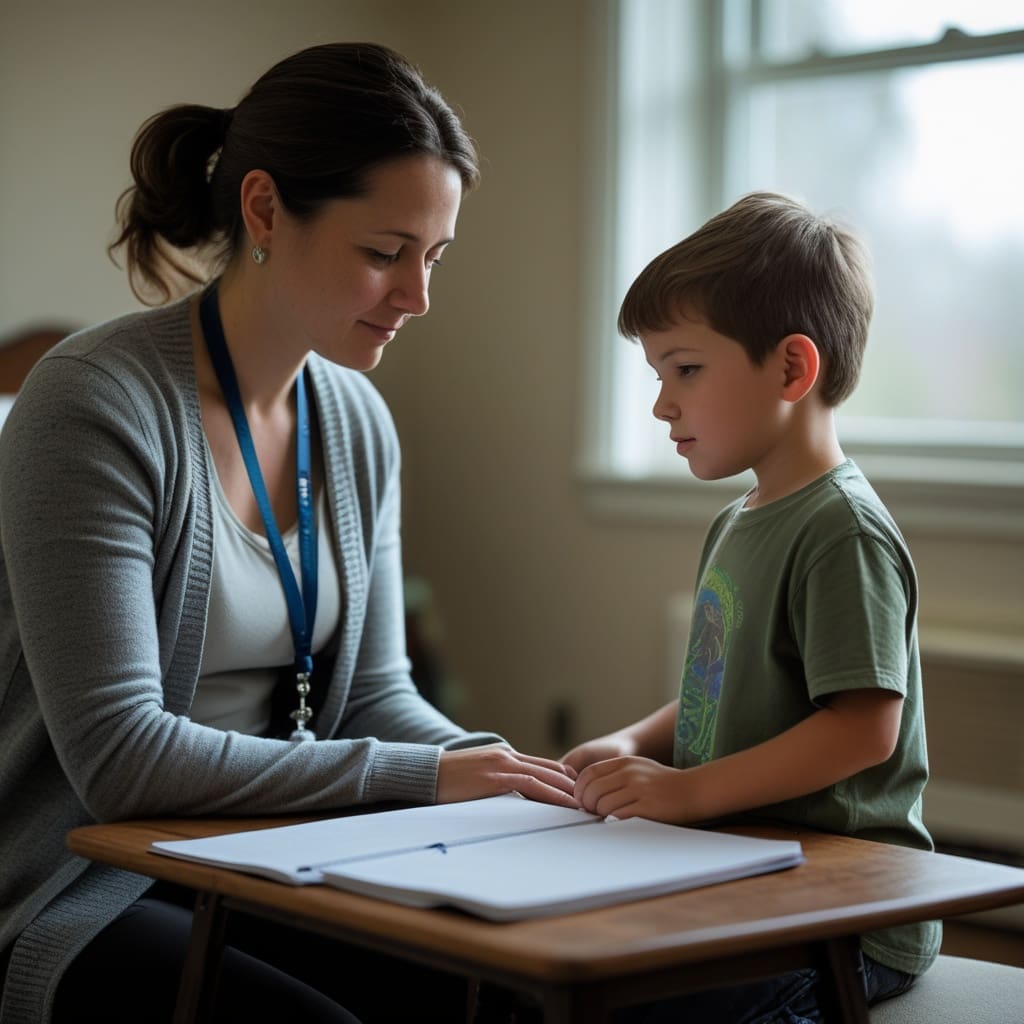
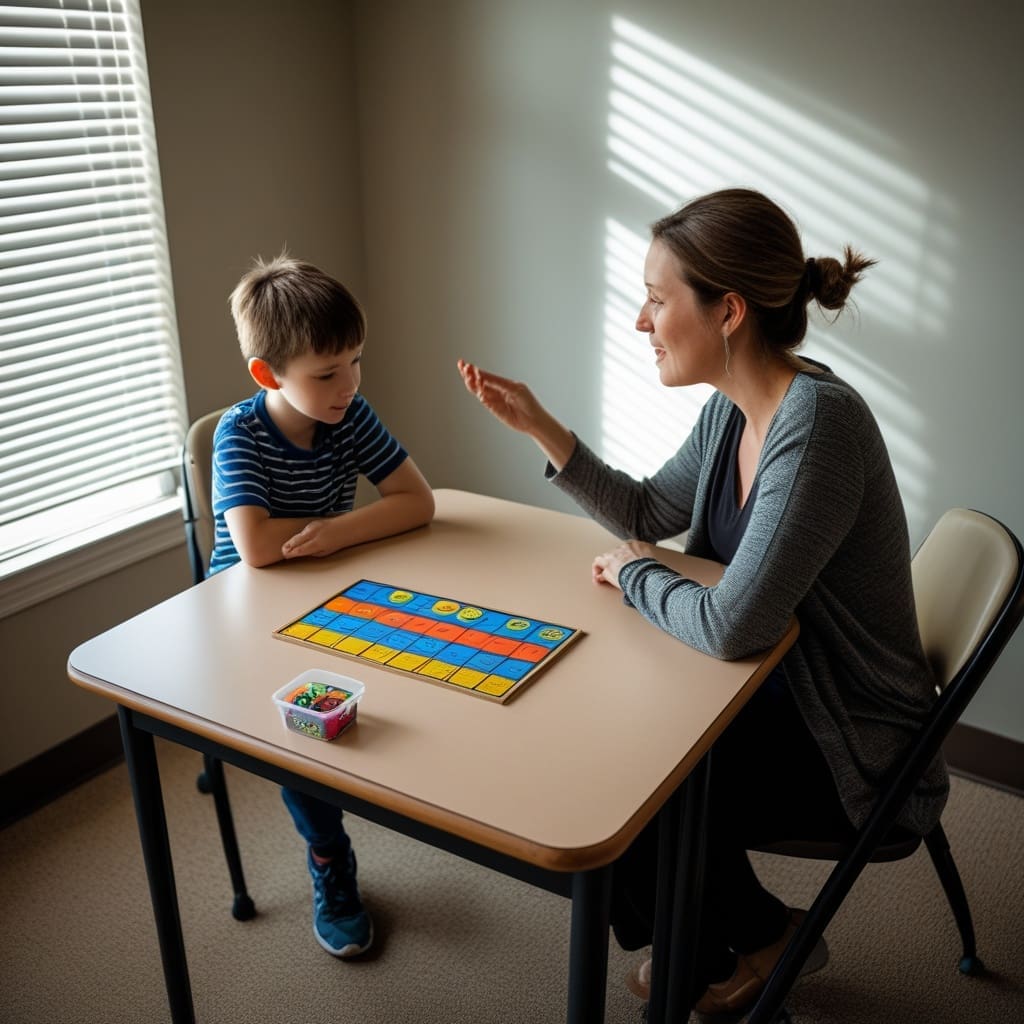
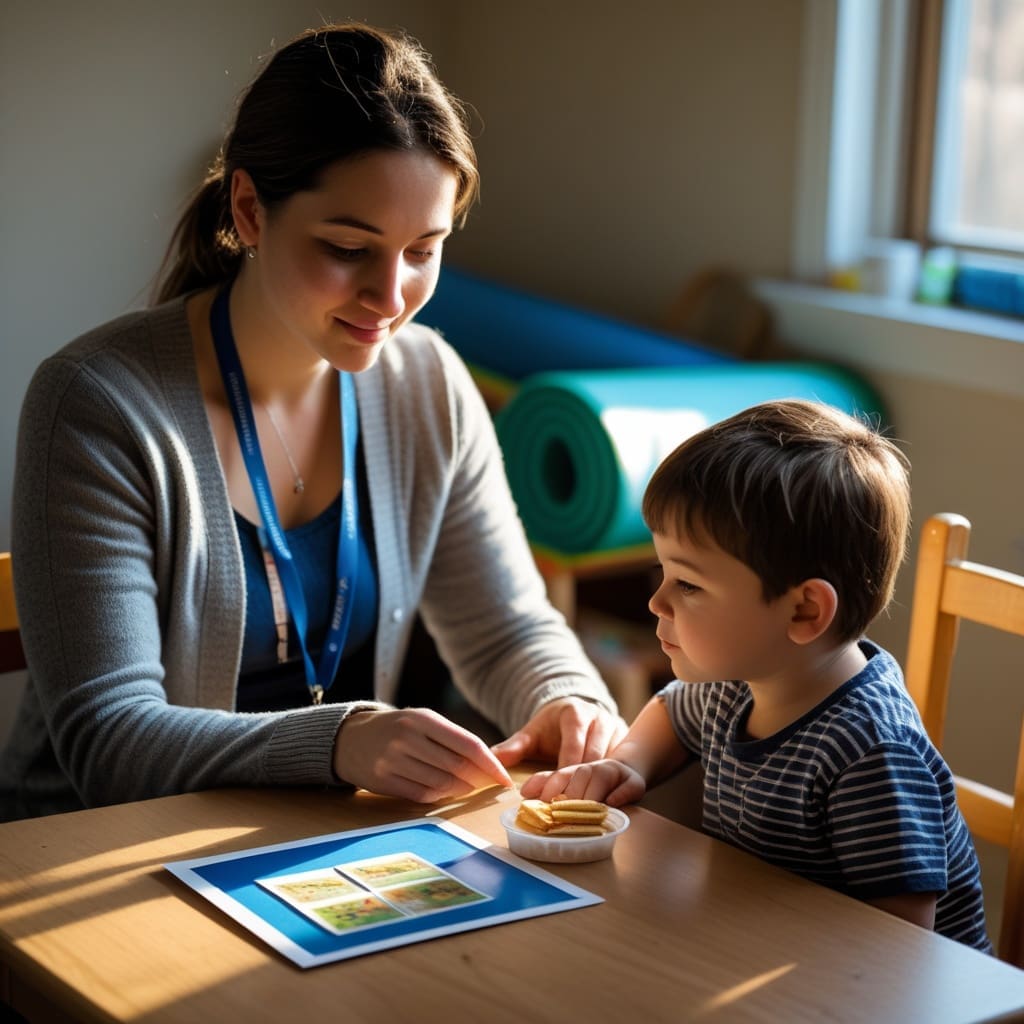
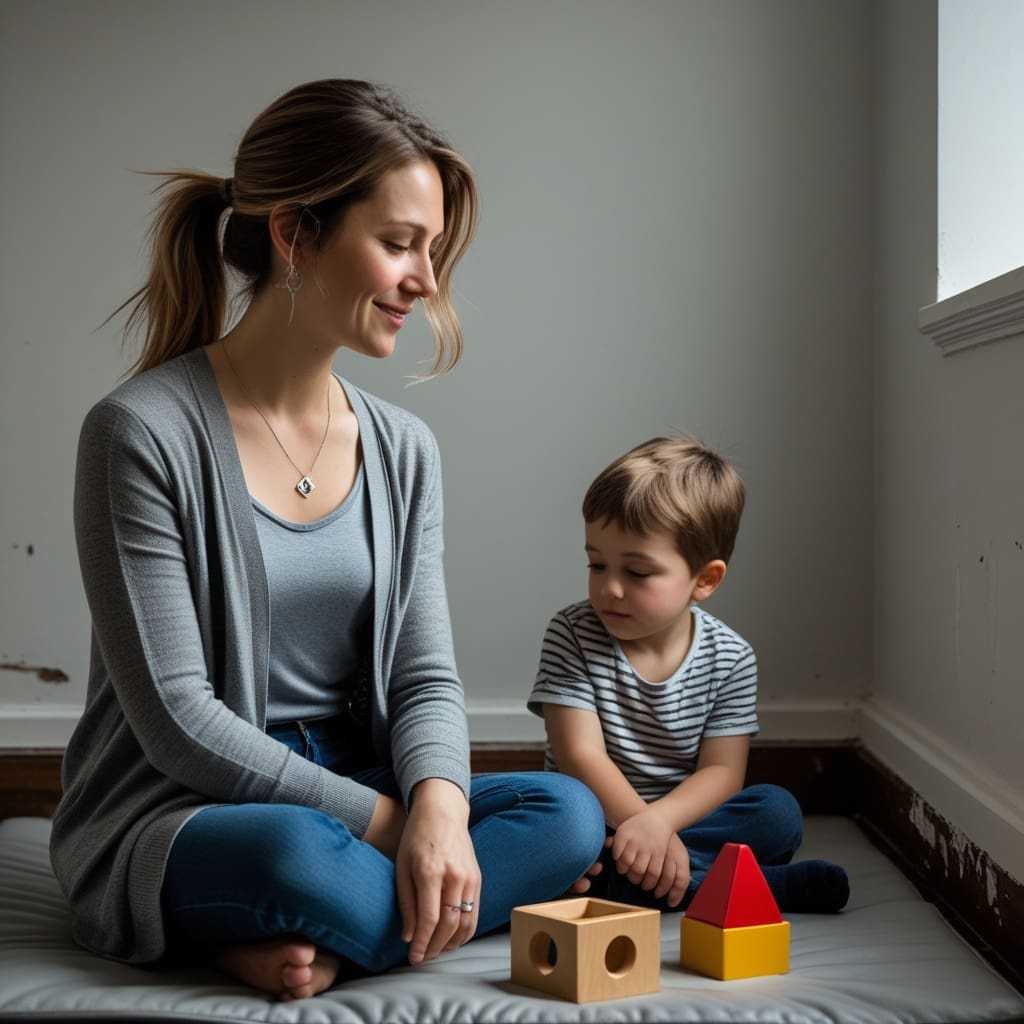
Hand flapping itself is never diagnosed in isolation; it is one data point gathered during a broader autism evaluation guided by DSM-5-TR criteria. A comprehensive evaluation typically involves a developmental pediatrician, a psychologist, and sometimes a speech-language pathologist, working together over one or more appointments.
The most widely used diagnostic tool is the Autism Diagnostic Observation Schedule, Second Edition (ADOS-2), a structured, play-based assessment that takes 40 to 60 minutes and observes social communication, play skills, and repetitive behaviors directly. Many clinics also use the Autism Diagnostic Interview-Revised (ADI-R), a parent interview covering developmental history in detail.
Out-of-pocket costs for a full private evaluation generally range from $1,000 to $5,000, depending on the number of specialists involved and geographic location, though the Individuals with Disabilities Education Act (IDEA) guarantees free evaluations through public school systems for children ages 3 and up who show developmental concerns. Insurance coverage for autism evaluations is mandated in all 50 states under various autism insurance reform laws, though copays and deductibles still apply. If you are noticing flapping alongside any of the signs listed above, it may be time to consider whether these repetitive movements warrant a professional evaluation rather than waiting to see if the behavior resolves on its own.
What Can You Do When Your Child Flaps Their Hands?
The most useful response is rarely to stop the behavior, but to understand what it is communicating and respond to the underlying need. Suppressing flapping without addressing the sensory or emotional trigger behind it can increase a child’s distress rather than reduce it.
Consider these approaches, many of which are recommended by occupational therapists working within Applied Behavior Analysis (ABA) and sensory integration frameworks:
- Observe the trigger: note whether flapping happens during excitement, overwhelm, or transitions, and adjust the environment accordingly, such as dimming lights or reducing noise.
- Offer a sensory outlet: items like a weighted lap pad, a fidget tool, or a resistance band can meet similar sensory needs in situations where flapping might draw unwanted attention.
- Avoid punishment: discouraging flapping through scolding or physical restraint can increase anxiety and, in some cases, lead to more intense or hidden forms of stimming.
- Build in movement breaks: scheduling short, 5 to 10 minute physical activity breaks throughout the day can reduce the buildup of sensory pressure that leads to flapping episodes.
- Talk with a professional: a board-certified behavior analyst (BCBA) or occupational therapist can help identify patterns specific to your child and build a personalized support plan.
Because so much of this plays out in ordinary daily routines rather than clinical settings, many parents find it helpful to seek guidance on responding to stimming behaviors in everyday moments, especially during transitions like leaving the house or starting a new activity.
If flapping is affecting your child’s participation in school, therapy is worth discussing sooner rather than later. Early intervention services, available in most states for children under age 3 through IDEA Part C, show measurably better outcomes when started before age 3, according to a widely cited analysis published by the National Professional Development Center on Autism Spectrum Disorder. Waiting even six months to a year can mean missing a developmental window where the brain is most adaptable to new skill-building.
Take the Next Step
If hand flapping in your child has you asking questions that a quick internet search cannot fully answer, a conversation with a developmental pediatrician or licensed psychologist is the most reliable next step. Bring specific notes on when the flapping occurs, what seems to trigger it, and any other developmental concerns you have noticed, since this detail speeds up the evaluation process considerably.
Frequently Asked Questions
Does hand flapping always mean my child has autism?
No, hand flapping by itself does not mean your child has autism. Many toddlers flap when excited, and the behavior often fades naturally by age 4. A diagnosis requires additional signs across communication, social interaction, and behavior, not a single repetitive movement.
At what age is hand flapping considered unusual?
Flapping that continues past age 5, or appears during calm rather than excited moments, is considered atypical enough to mention to a pediatrician. Most typically developing children outgrow excitement-based flapping between ages 3 and 4 as their verbal and emotional expression matures.
Can hand flapping be a sign of something other than autism?
Yes, hand flapping can appear with ADHD, anxiety, sensory processing differences, or simply as a typical excited response in young children. Context matters more than the movement itself, including what triggers it and whether it appears alongside other developmental delays.
Should I try to stop my child from flapping their hands?
Generally, no, discouraging flapping outright is not recommended unless it causes physical harm. A better approach involves understanding the trigger and offering alternative sensory outlets, since suppressing the behavior without addressing the underlying need can increase distress.
How soon should I get my child evaluated if I notice flapping along with other delays?
Schedule a developmental screening within 30 days if flapping appears alongside speech delays, limited eye contact, or reduced response to their name. Early evaluation, ideally before age 3, allows access to intervention services during a period when the brain responds most readily to new learning.
Conclusion
Hand flapping sits at an interesting intersection in child development: common enough to appear in millions of typically developing toddlers, yet significant enough in autism to warrant real attention when paired with other signs. The movement itself is neutral information. What matters is the full pattern surrounding it, including language development, social engagement, and how the behavior shows up across different settings. Trusting your own observations as a parent, paired with a professional evaluation when warranted, remains the most reliable path toward clarity.