

High-functioning autism symptoms can be easy to miss, especially in children who speak well and perform at grade level. Level 1 ASD, the current clinical term, means a person is autistic but requires minimal support compared to higher support levels. That does not mean the challenges are small. It means they are often hidden.
Many families in Key Largo and across South Florida first notice something is different at school or in social situations. The signs do not always look like what people expect autism to look like. Understanding mild autism characteristics helps you recognize patterns early and connect your child with the right support before challenges compound.
Ready to learn more? Explore how our team approaches autism diagnosis support and find out what the evaluation process looks like for your child.
What “High-Functioning” Really Means in a Clinical Context
The phrase “high-functioning autism” is not an official medical term. Clinicians use the DSM-5, which categorizes autism spectrum disorder into three support levels. Level 1 ASD is the lowest support level, meaning the person can manage many daily tasks independently. But “low support needs” is not the same as “no struggles.”
A child with Level 1 ASD may read above grade level, hold conversations, and appear socially engaged. At the same time, they may find unwritten social rules confusing, feel overwhelmed by sensory input, and struggle deeply with transitions. The gap between outward ability and inner experience is what makes level 1 autism signs so easy to overlook.
Social Communication Challenges That Define Level 1 ASD

Social communication is the core area of difference in all autism diagnoses, including Level 1. Children with high-functioning autism symptoms often want friendships but struggle to build and keep them. They may not read facial expressions, tone of voice, or body language the way their peers do.
Common social communication signs include:
- Talking at length about a favorite topic without noticing others have lost interest
- Missing sarcasm, jokes, or figurative language and taking phrases literally
- Difficulty starting or ending conversations naturally
- Standing too close or too far from others during conversation
- Responding to questions with more detail than the situation calls for
These patterns do not reflect a lack of intelligence or caring. They reflect a different way of processing social information. With consistent support, most children with Level 1 ASD make significant gains in this area.
Repetitive Behaviors and Restricted Interests as Core Mild Autism Characteristics
Repetitive behaviors and highly focused interests are the second major symptom cluster in autism. In Level 1 ASD, these patterns are present but may look less obvious than in higher support levels. A child might line up toys, insist on the same daily routine, or talk almost exclusively about one subject such as trains, weather systems, or video game mechanics.
Restricted interests, meaning areas of focus that are intense and narrow, are not always a problem. They can fuel creativity and academic strength. The challenge comes when the interest interferes with daily functioning or when shifting attention away from it causes significant distress.
Other mild autism characteristics in this area include:
- Repeating words, phrases, or sounds (called echolalia)
- Rocking, hand-flapping, or other self-soothing movements (called stimming)
- Strong resistance to changes in schedule or environment
- Needing specific rituals to start or end an activity
| Symptom Area | Common Level 1 ASD Signs | How It May Look at School or Home |
|---|---|---|
| Social Communication | Misreading tone, dominating conversations | Trouble making friends, conflict with peers |
| Restricted Interests | Deep focus on one or two topics | Off-topic answers, frustration when redirected |
| Repetitive Behavior | Stimming, rigid routines | Meltdowns after schedule changes |
| Sensory Sensitivity | Over- or under-reaction to sound, texture, light | Avoidance of certain foods, clothing, or spaces |
| Emotional Regulation | Big emotional responses to small triggers | Labeled as overreacting or dramatic |
Sensory Processing Differences in Everyday Life
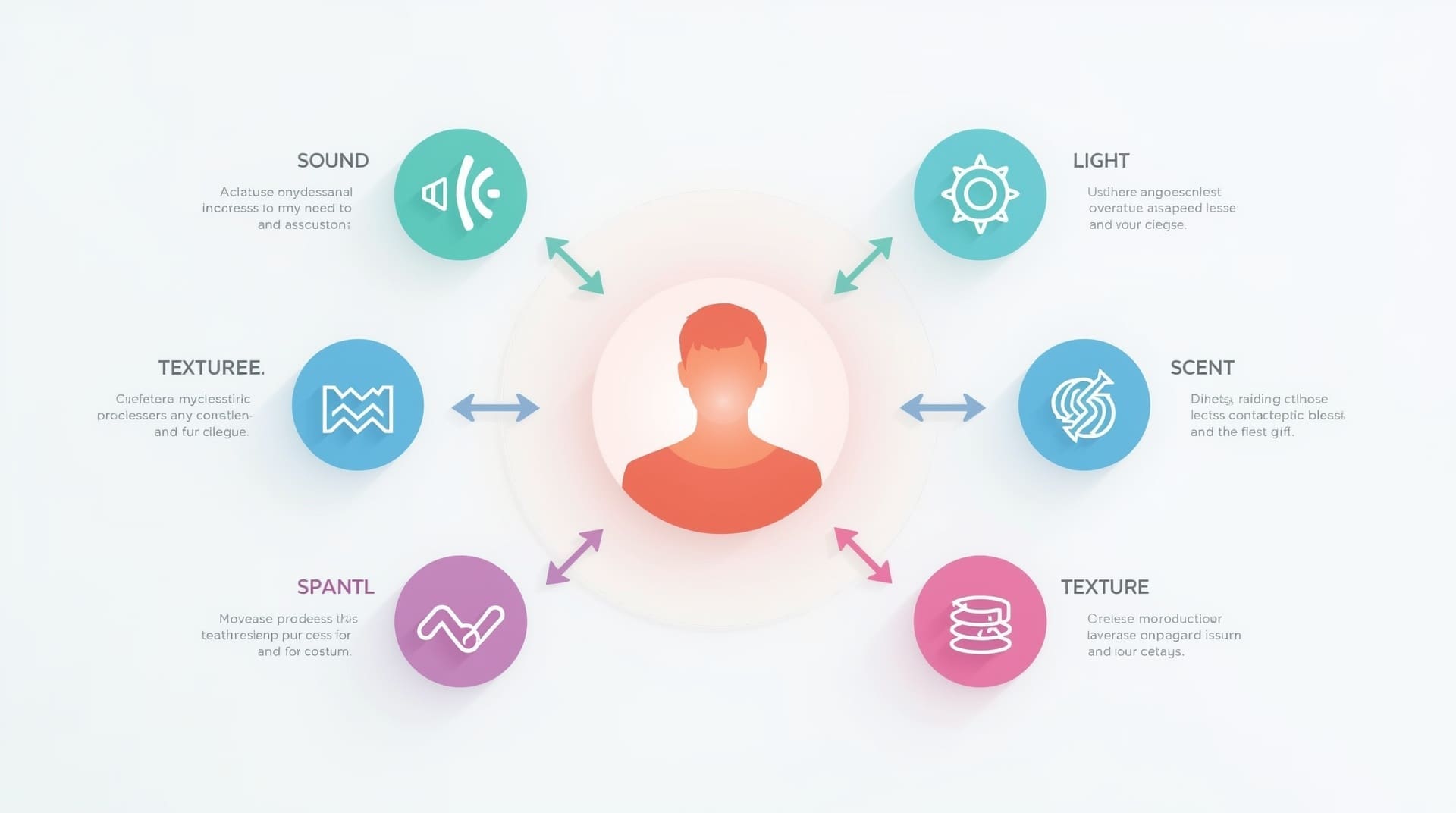
Sensory processing differences are common across all autism levels, including Level 1. The brain either overreacts or underreacts to sensory input such as sound, light, texture, smell, and movement. A child may melt down at a birthday party because the noise is overwhelming, even if the same child seemed fine in quieter settings.
These sensory responses are not behavioral choices. They are neurological. Recognizing them as part of high-functioning autism symptoms helps families respond with support rather than correction. Common sensory signs include refusing certain food textures, distress over seams in clothing, strong reactions to fluorescent lights, or seeking intense physical input like tight hugs and jumping.
Emotional Regulation and Meltdowns in Level 1 ASD
Children with Level 1 ASD often experience intense emotions that they do not yet have the tools to manage. A meltdown, which is an involuntary loss of behavioral control due to overwhelming stress, is different from a temper tantrum. Meltdowns are not manipulative. They are a sign that the nervous system has hit its limit.
Because Level 1 children tend to hold it together at school, they may release that built-up stress at home. This is sometimes called the “after-school restraint collapse.” Parents often describe a child who is reported as model behavior by teachers but falls apart the moment they get home. That contrast is a clue, not a contradiction.
Signs of emotional regulation difficulty in Level 1 ASD include:
- Intense reactions that seem out of proportion to the situation
- Difficulty calming down without significant adult support
- Anxiety about upcoming events, even ones that are positive
- Shutting down or withdrawing instead of acting out
How High-Functioning Autism Symptoms Differ by Age
Level 1 ASD signs shift as children grow. Toddlers may show fewer obvious signs than school-age children, where social demands increase rapidly. Some children are not identified until middle school or even adulthood, especially girls, who tend to mask symptoms more effectively by mirroring peers.
In early childhood, signs often include delayed pretend play, preference for solitary activities, and strong attachment to routines. In school-age children, the spotlight tends to fall on peer relationships and classroom flexibility. In teens, anxiety and depression often become the presenting concerns, sometimes masking the underlying autism entirely.
Key age-related patterns to watch for:
- Ages 2 to 5: Limited pretend play, preference for one activity at a time, sensory sensitivities
- Ages 6 to 11: Peer conflict, rigid thinking in group projects, difficulty with unstructured time
- Ages 12 and up: Social anxiety, masking exhaustion, depression, difficulty with executive functioning tasks
How ABA Therapy Addresses Level 1 Autism Signs
Applied Behavior Analysis, commonly called ABA therapy, is one of the most researched interventions for autism at all support levels. For Level 1 ASD, ABA focuses on building practical social skills, improving emotional regulation, and increasing flexibility. Sessions are individualized and built around the child’s specific profile, not a generic script.
In the Florida Keys, families have access to ABA services that meet children where they are, whether that means school support, home-based sessions, or clinic-based work. The goal is not to change who your child is. The goal is to give them more tools to navigate a world that does not always match how their brain works.
Masking and Late Diagnosis as Hidden Patterns

Masking means a person with autism consciously or unconsciously suppresses or hides their natural responses to fit in socially. Children who mask well often go undiagnosed for years. They may appear calm and capable in public while experiencing significant internal stress. Over time, chronic masking contributes to burnout, anxiety, and low self-esteem.
Girls and women are especially likely to mask, which is why Level 1 ASD is historically underdiagnosed in females. Late diagnosis is not a failure. It is an opportunity to finally understand the patterns that have shaped someone’s experience and to get targeted support. Recognizing masking as a high-functioning autism symptom is an important step for families and clinicians alike.
Final Thoughts on High-Functioning Autism Symptoms
Level 1 ASD does not look the same in every child. Some children are talkative and socially motivated but struggle with the unwritten rules. Others are quiet, rigid in routine, and overwhelmed by sensory input. The common thread is a neurological difference that affects how a person processes social information, sensory input, and change.
Early recognition of high-functioning autism symptoms gives families the chance to connect with support before challenges grow. Whether your child has already received a diagnosis or you are just starting to notice patterns, the right interventions can make a significant difference. Understanding what Level 1 ASD looks like day to day is the first step toward meaningful progress.
Frequently Asked Questions About High-Functioning Autism Symptoms
What is the difference between high-functioning autism and Level 1 ASD?
They refer to the same profile. “High-functioning autism” is an older, informal term that many clinicians and self-advocates no longer prefer. The current clinical standard, the DSM-5, uses “Level 1 ASD” to describe autism that requires minimal support. The underlying characteristics are the same regardless of the label used.
Can a child with high-functioning autism symptoms do well in school?
Yes, many children with Level 1 ASD perform at or above grade level academically. Their challenges are more likely to show up in social situations, during transitions, or in unstructured time like recess or lunch. Academic strength does not rule out a diagnosis or reduce the need for social and emotional support.
How early can Level 1 autism signs appear?
Signs can appear as early as 18 to 24 months, though Level 1 ASD is often not identified until age 4 or later. Because language development is typically present, early red flags are sometimes missed. Parents who notice unusual social patterns, rigid routines, or sensory sensitivities should bring them to a pediatrician’s attention early.
Are high-functioning autism symptoms different in girls than in boys?
Yes, they often present differently. Girls with Level 1 ASD tend to mask more effectively, mirroring peers and following social scripts to blend in. This can delay diagnosis significantly. Anxiety, people-pleasing behavior, and social exhaustion after group activities are common signs in girls that may point to unidentified autism.
What kind of therapy is most helpful for mild autism characteristics?
ABA therapy, social skills groups, and speech-language therapy are among the most widely supported options for Level 1 ASD. The right combination depends on the individual child’s needs. A qualified behavior analyst can assess your child’s specific strengths and challenges to build a personalized support plan.