
Level 1 autism in girls often shows up as intense focus on relationships or specific interests, quiet distress rather than visible meltdowns, and learned social scripts that mask underlying struggles. These signs are frequently mistaken for shyness, anxiety, or perfectionism, which is a major reason girls receive an autism diagnosis nearly two years later than boys on average. Recognizing the female presentation of Level 1 autism (formerly called Asperger’s syndrome or high-functioning autism) matters because early support changes long-term outcomes for mental health, friendships, and school success.
The Centers for Disease Control and Prevention reported in 2023 that autism affects roughly 1 in 36 children in the United States, with boys diagnosed nearly four times more often than girls. Researchers increasingly believe this gap reflects underdiagnosis in girls rather than a true difference in how common autism is between sexes. Girls with Level 1 autism, the mildest classification under the DSM-5, often develop coping strategies that hide their symptoms from teachers, pediatricians, and even parents until stress becomes overwhelming.
Key Takeaways
- Level 1 autism in girls frequently presents through social camouflaging, where girls copy peers’ behavior to blend in rather than showing obvious social deficits.
- Average diagnosis age for girls with autism is around 4 years and 4 months later in some studies compared to boys, though many are not identified until adolescence or adulthood.
- Special interests in girls often center on animals, fictional characters, or people rather than trains or numbers, making them easier to overlook as “typical” girl interests.
- Sensory sensitivities, meltdowns, and shutdowns often happen at home rather than at school, so teachers may not notice anything unusual.
- A formal evaluation typically uses tools such as the ADOS-2 and costs between $1,200 and $5,000 out of pocket, though insurance coverage and sliding-scale clinics can lower that figure.
What Level 1 Autism Actually Means
Level 1 autism is the DSM-5 classification for individuals who need the least amount of support among autism diagnoses, previously described under labels like Asperger’s syndrome. A Level 1 diagnosis means a person has noticeable difficulty with social communication and shows restricted or repetitive behaviors, but functions independently in most daily activities without round-the-clock support. This does not mean the challenges are minor. Many girls with Level 1 autism struggle significantly with anxiety, sensory overload, and exhaustion from masking, even though they appear to manage well on the surface.
The DSM-5 diagnostic criteria require persistent deficits in social-emotional reciprocity, nonverbal communication, and relationship-building, along with at least two types of restricted or repetitive behavior. For Level 1, the manual specifies that “without supports in place, deficits in social communication cause noticeable impairments.” In practice, clinicians look for symptoms present since early childhood, even if they were not obvious until social demands increased in later grades.
Why Level 1 Autism Looks Different in Girls
Girls with autism tend to develop more sophisticated social imitation skills than boys with a similar symptom profile. Researchers at institutions including Yale and University College London have documented a pattern called social camouflaging, where girls consciously study peers and copy facial expressions, tone of voice, and conversation topics to appear socially typical. This strategy can work well enough in early elementary school that signs go unnoticed, but it becomes harder to sustain as social expectations grow more complex in middle school.
Camouflaging takes a real toll. A 2020 study published in the Journal of Autism and Developmental Disorders found that autistic girls and women who reported high levels of camouflaging also reported significantly higher rates of anxiety, depression, and suicidal thoughts. The effort of constantly monitoring and adjusting behavior leaves many girls mentally drained by the end of the school day, often leading to meltdowns at home that parents struggle to connect to school stress.
Special interests also differ by sex in ways that make them easy to miss. Boys with autism more commonly fixate on trains, dinosaurs, or mechanical systems, patterns that stand out as unusual. Girls more often develop intense interests in horses, celebrities, fictional worlds, or specific animals, which parents and teachers frequently interpret as normal childhood enthusiasm rather than a diagnostic clue. The difference is not the interest itself but its intensity, exclusivity, and the distress a girl shows when the interest is interrupted or unavailable.

Common Signs of Level 1 Autism in Girls
Signs shift depending on setting, age, and how much energy a girl has left for masking. Clinicians and resources from Autism Speaks and the National Autistic Society point to these patterns among girls later diagnosed with Level 1 autism.
- Social scripting: Repeating phrases or jokes memorized from TV, books, or peers, sometimes without grasping the context.
- One close friendship: Instead of avoiding peers, many girls attach to a single friend and struggle hard when that bond changes.
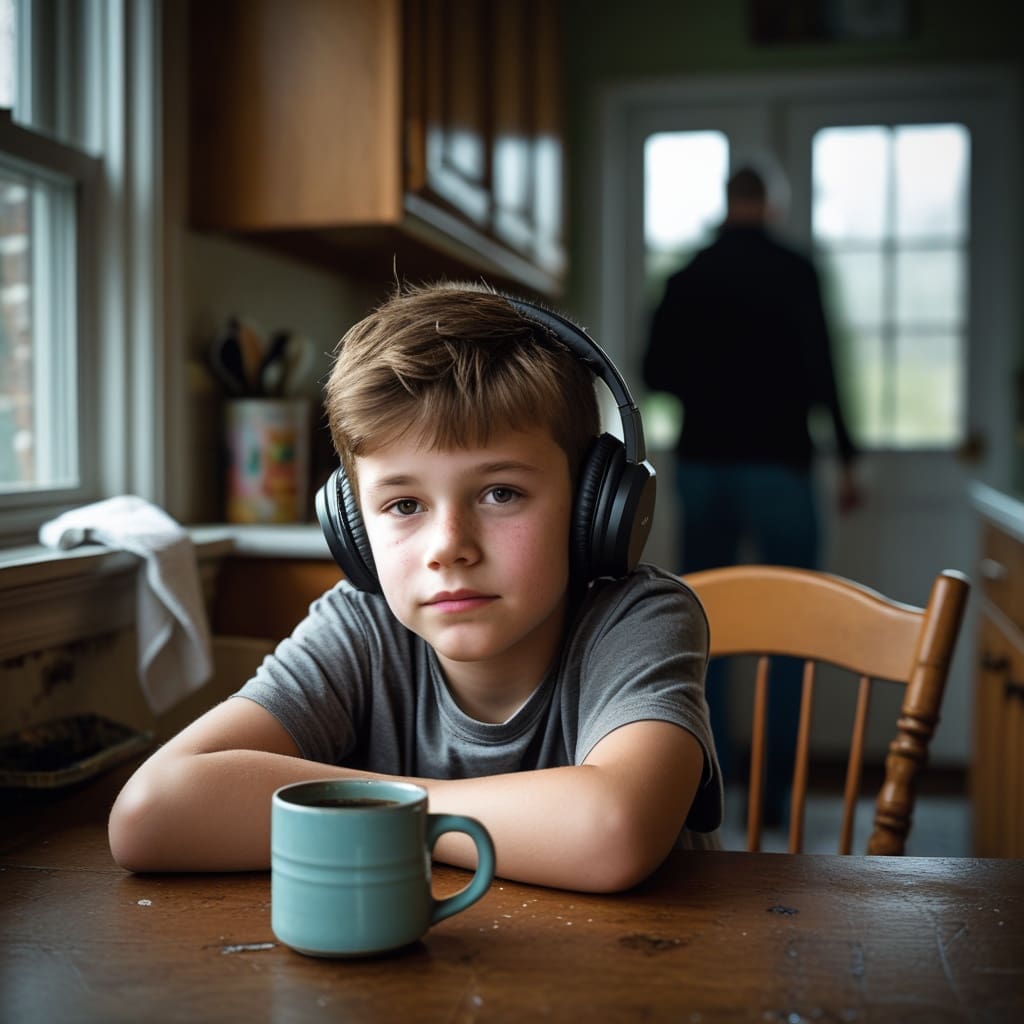
- Delayed meltdowns: Emotional outbursts that hit at home hours after school, not during it.
- Hidden sensory needs: Sticking to certain clothing, food textures, or lighting, but calling it “preference” rather than sensory need.
- Perfectionism: Heavy worry over breaking rules, strong reactions to schedule changes, and trouble handling mistakes.
- Narrow interests disguised as hobbies: Deep focus on one topic, with real distress when she can’t engage with it.
- Literal thinking: Missing sarcasm or idioms, often masked by watching others for cues before responding.
- Exhaustion after socializing: Needing heavy alone time after school or events, often described as feeling “wiped out.”
Parents often call their daughters “little adults,” not realizing the maturity is really imitation, a learned way of coping by copying adult behavior. That impression can delay diagnosis since the behavior looks advanced instead of atypical.
Signs by Age Group
Preschool and Early Elementary (Ages 3 to 7)
At this stage, signs tend to include intense attachment to specific toys or characters, strong preference for parallel play over interactive play, difficulty transitioning between activities, and strong emotional reactions to changes in routine. A girl might play alongside peers without truly engaging with them, which can look like shyness rather than a social communication difference.
Late Elementary and Middle School (Ages 8 to 13)
Social demands increase sharply during these years, and camouflaging becomes more deliberate. Girls in this range often report feeling like they are “performing” friendship, closely watching what popular peers do and copying it. Anxiety, stomachaches, and school avoidance frequently emerge during this period, sometimes misdiagnosed as generalized anxiety disorder alone without autism being considered.
High School and Beyond (Ages 14 and Up)
Teenagers and young adults may develop eating disorders, depression, or severe social anxiety as secondary conditions layered on top of undiagnosed autism. A 2022 study in the journal Autism found that autistic girls were significantly more likely than autistic boys to receive a misdiagnosis of borderline personality disorder or anxiety disorder before eventually receiving an accurate autism diagnosis, sometimes not until their twenties or thirties.

How Level 1 Autism in Girls Gets Missed or Misdiagnosed
Diagnostic tools were originally developed and validated using research samples made up mostly of boys, which means the criteria still lean toward male presentations of autism. A girl who makes eye contact, uses appropriate facial expressions during a short evaluation, and answers questions politely may not trigger a clinician’s suspicion, even if she struggles significantly outside that structured setting.
Common misdiagnoses before an accurate autism diagnosis include:
- Generalized anxiety disorder: Anxiety symptoms are real and often present, but treating anxiety alone without addressing the underlying autism leaves core needs unmet.
- Attention-deficit/hyperactivity disorder (ADHD): Overlapping traits such as difficulty with transitions and inattentiveness can obscure the social communication differences central to autism.
- Oppositional defiant disorder: Meltdowns at home following a day of masking at school can be misread as defiance rather than a sensory or emotional shutdown.
- Borderline personality disorder: In older teens and adults, emotional intensity and relationship difficulties are sometimes attributed to personality disorders rather than autism.
- Selective mutism: A girl who goes silent in certain settings due to overwhelm may be diagnosed with selective mutism without further exploration of autism traits.
Pediatricians typically use screening tools such as the M-CHAT-R (Modified Checklist for Autism in Toddlers) during well-child visits, but this tool was standardized on a population skewed toward male symptom patterns and can miss girls who mask effectively even as toddlers. Some clinics now use supplementary tools, including the Girls Questionnaire for Autism Spectrum Condition (GQ-ASC), developed specifically to capture female-typical presentations, though it remains far less widely used than standard screening measures.
Getting an Evaluation: Process, Timeline, and Cost
A Level 1 autism evaluation for a girl typically follows five steps, each with its own wait and price tag. Here’s a realistic breakdown based on developmental pediatric clinics and private practices in the US.
- Pediatrician referral (1 to 2 weeks): A brief screening questionnaire, usually just the cost of a regular visit copay ($20 to $50).
- Specialist waitlist (2 to 12 months): Developmental pediatricians and autism-focused psychologists often have long waits, from 8 weeks in smaller cities to over a year in major metro areas.
- Diagnostic assessment (4 to 8 hours): Includes the ADOS-2, parent interviews, and cognitive testing. Cost without insurance runs $1,200 to $5,000, depending on region and evaluator.
- Feedback session (1 to 3 weeks later): A written report with conclusions and recommendations, sometimes billed separately at $150 to $400.
- School evaluation (optional, 60 school days under IDEA): Free, but aimed at eligibility for school services, not a full clinical diagnosis.
Insurance often covers evaluations when a doctor documents medical necessity, but out-of-pocket costs still vary by state and provider. Families without coverage can find lower-cost options through university psychology clinics or state-funded developmental disability centers, often for $300 to $800.

What Support Looks Like After Diagnosis
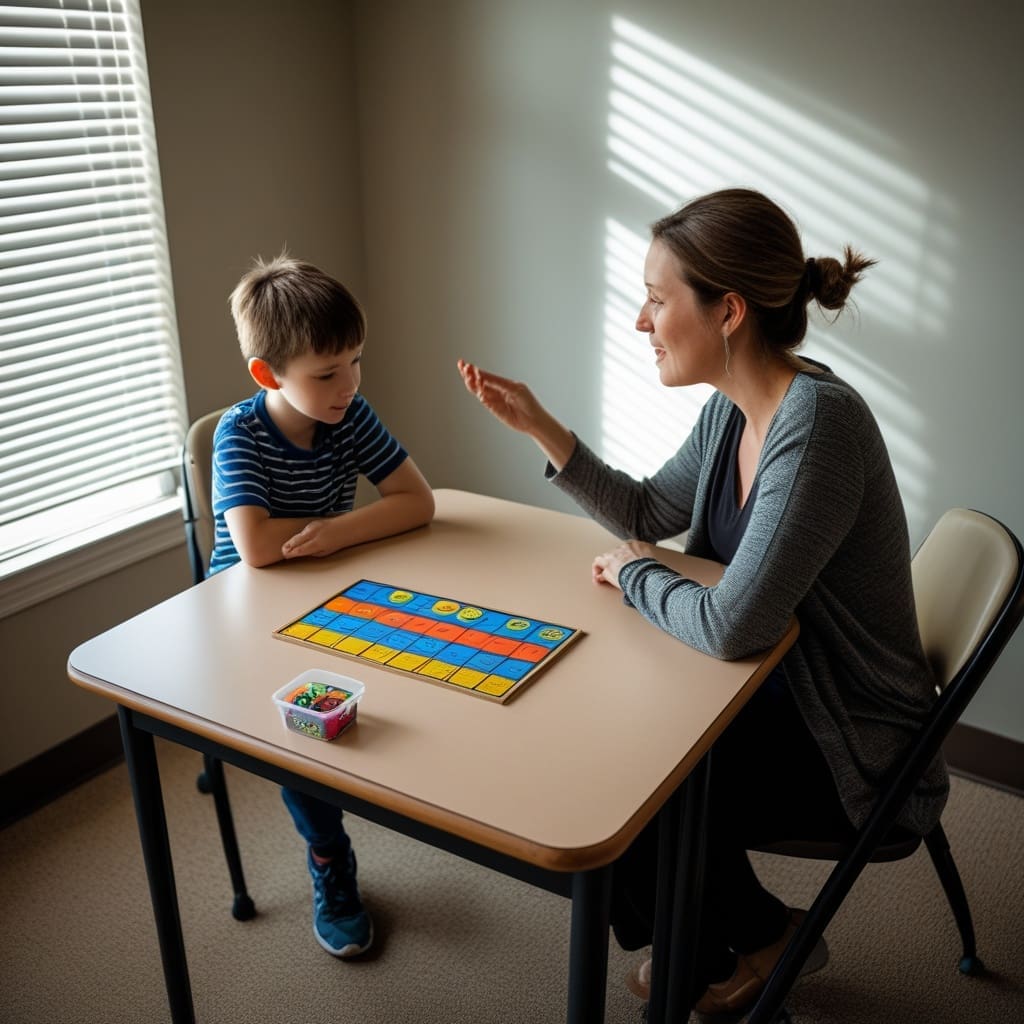
A Level 1 diagnosis opens access to specific supports, though the type and intensity of support should match the individual girl’s needs rather than a one-size-fits-all plan. Common supports include social skills coaching that focuses on genuine understanding rather than surface-level scripting, occupational therapy for sensory regulation, and academic accommodations such as extended time or a quiet testing space through a 504 Plan or Individualized Education Program (IEP).
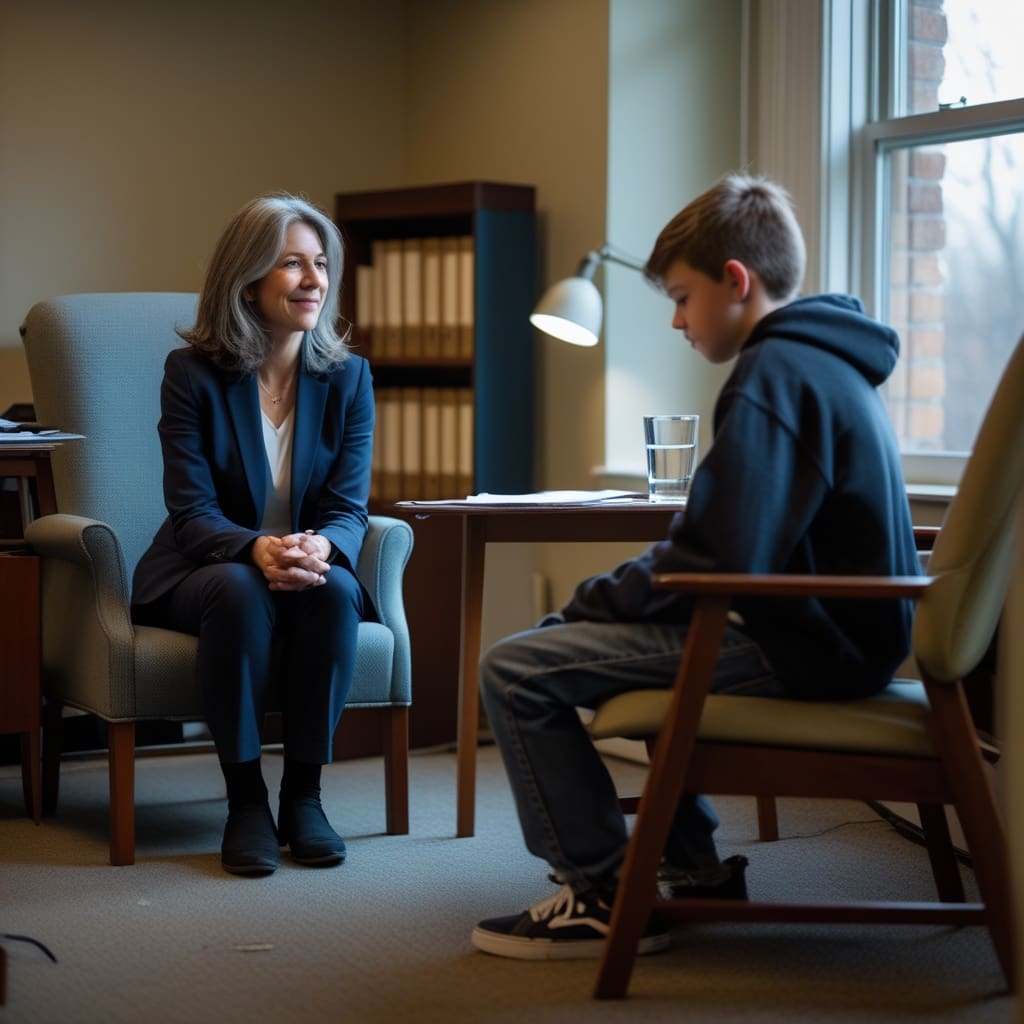
Mental health support matters as much as academic accommodations. Because camouflaging is mentally exhausting, many girls benefit from therapy that explicitly addresses masking fatigue rather than therapy focused only on making a girl appear more socially typical. Cognitive behavioral therapy adapted for autistic clients, along with connection to other autistic girls or women through peer groups, has shown promising results in reducing anxiety and improving self-understanding, according to autism research summaries published by the Association for Behavior Analysis International.
A diagnosis does not change who a girl is. It changes whether the people around her finally understand why certain things have always felt harder than they should.
Parents and caregivers can also help by validating a girl’s need for downtime after school rather than scheduling every evening with additional activities. Allowing dedicated time to engage deeply with a special interest, rather than discouraging it as excessive, often supports emotional regulation and provides a genuine source of comfort and confidence.
Take the Next Step Toward Clarity
If your daughter shows several of the signs described above, particularly a pattern of exhaustion after school, intense but hidden interests, or a history of anxiety that has not fully responded to treatment, consider requesting a developmental evaluation through your pediatrician or a licensed psychologist specializing in autism spectrum assessment. Bring specific written examples of behaviors at home, since many girls perform well during short clinical visits and detailed documentation helps clinicians see the full picture.
Conclusion
Level 1 autism in girls often hides in plain sight, disguised by learned social behavior, quiet exhaustion, and interests that look ordinary on the surface. Recognizing the subtler signs, delayed meltdowns, camouflaged friendships, and sensory needs framed as preferences, gives girls a better chance at earlier support and a diagnosis that actually explains their experience. Whether your daughter is five or fifteen, an accurate understanding of her needs can reduce years of confusion, misdiagnosis, and unnecessary struggle.
Frequently Asked Questions
What is the average age girls get diagnosed with Level 1 autism?
Girls are typically diagnosed later than boys, sometimes not until age 8 to 12, and many are missed entirely until adolescence or adulthood. Research published in Autism Research and other peer-reviewed journals has documented diagnostic delays of two to four years compared to boys with similar symptom severity, largely due to camouflaging behavior and diagnostic tools calibrated to male presentations.
Can a girl with Level 1 autism have good eye contact and still be autistic?
Yes, many girls with Level 1 autism practice eye contact and other social behaviors as a learned skill rather than a natural response. This conscious effort, part of the broader camouflaging pattern, means eye contact alone should never rule out an autism diagnosis during an evaluation.
How is Level 1 autism different from Asperger’s syndrome?
Level 1 autism replaced the separate Asperger’s syndrome diagnosis when the DSM-5 was published in 2013, folding it into a single autism spectrum with severity levels. Level 1 describes individuals who need the least support among autism diagnoses, roughly corresponding to what was previously labeled Asperger’s syndrome or high-functioning autism.
Do girls with Level 1 autism need an IEP or 504 Plan?
Not automatically, but many benefit from one, especially if anxiety, sensory sensitivity, or social exhaustion affects school performance. Eligibility depends on documented impact on educational access, and a formal diagnosis along with a written evaluation strengthens the request for either an Individualized Education Program or a 504 Plan.
What is masking, and why is it so common in autistic girls?
Masking, also called camouflaging, means consciously suppressing autistic traits and copying neurotypical behavior to fit in socially. Girls tend to mask more than boys partly due to stronger social pressure to conform and partly due to more advanced imitation skills, though the practice often leads to significant fatigue, anxiety, and delayed diagnosis.