

Level 3 autism is the most severe classification on the autism spectrum. It describes individuals who need very substantial support to navigate daily life, from basic communication to self-care routines. If you have just received this diagnosis for your child, or you are trying to understand what it means, this guide will walk you through everything clearly.
The term “level 3” comes from the DSM-5, the diagnostic manual used by clinicians across the United States. Autism spectrum disorder (ASD) is divided into three levels based on how much support a person requires. Level 1 needs the least support, level 2 needs substantial support, and level 3 autism requires the highest level of intervention and care. Understanding this classification helps families plan the right therapies and services.
Ready to learn more? Explore how our team supports families through every step with autism diagnosis support designed around each child’s unique needs.
How the Three Levels of Autism Compare
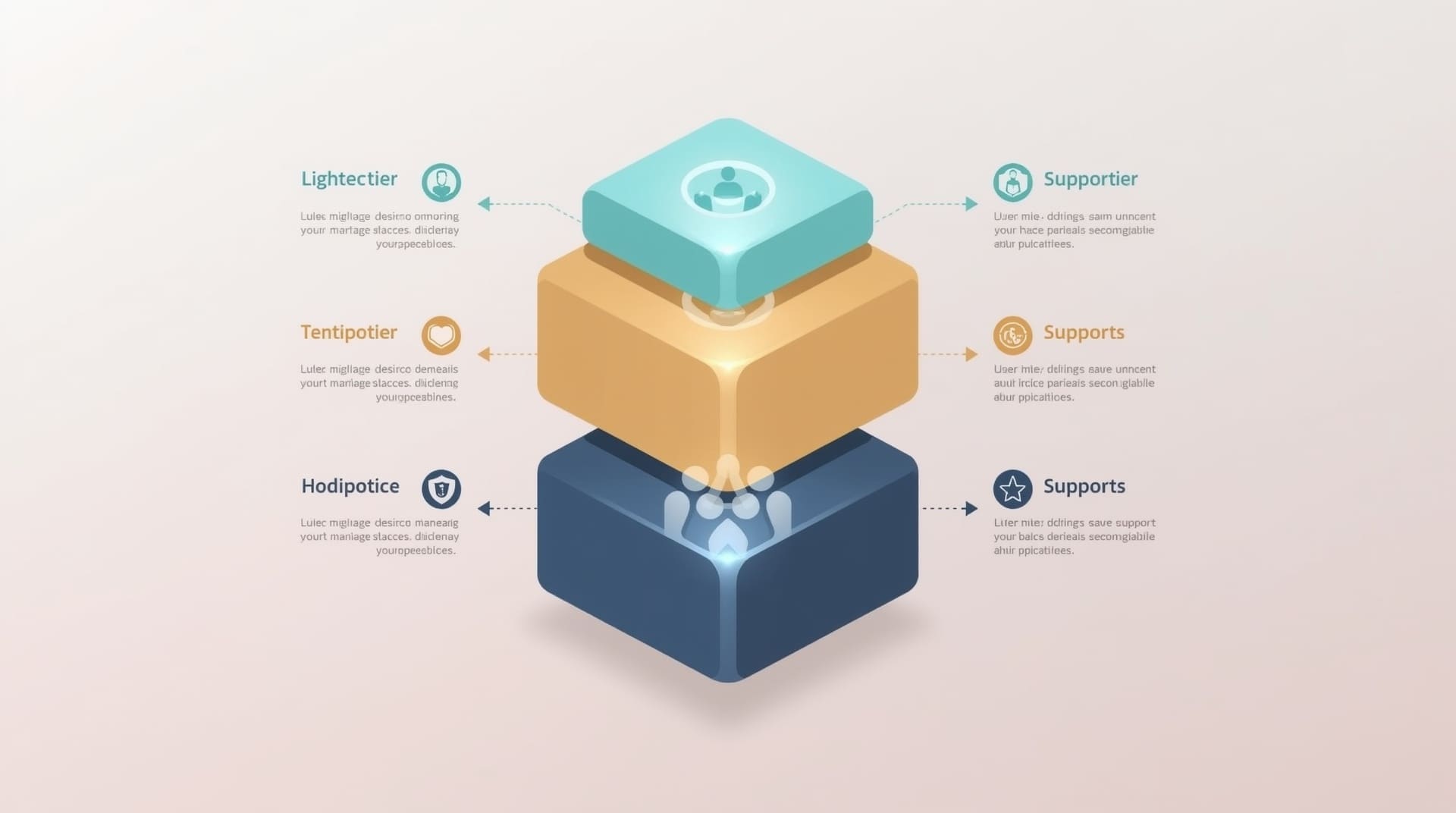
The DSM-5 replaced older labels like “Autistic Disorder” and “Asperger’s Syndrome” with a single umbrella diagnosis of ASD, organized into three support levels. Each level reflects the degree of daily impairment, not intelligence or potential. A person at any level can have a wide range of cognitive abilities.
| Level | Former Label | Support Needed | Key Challenge |
|---|---|---|---|
| Level 1 | High-Functioning / Asperger’s | Some support | Social flexibility and transitions |
| Level 2 | Moderate ASD | Substantial support | Communication and repetitive behaviors |
| Level 3 | Severe / Classic Autism | Very substantial support | All communication and daily functioning |
Parents researching what is level 2 autism will notice that level 2 involves meaningful impairment, but level 3 represents a significant step up in the intensity of challenges a child faces every single day.
The Core Definition of Level 3 Autism
Level 3 autism is defined by severe deficits in both social communication and restricted, repetitive behaviors. These deficits must be present across multiple settings and must cause serious functional impairment. The DSM-5 uses the phrase “requiring very substantial support” as the defining marker for this level.
In practice, this means a child or adult at level 3 has very limited ability to initiate social interaction. Responses to communication from others are minimal or not present at all. Verbal speech may be absent entirely, or it may consist of a few words or phrases used in narrow, scripted ways. Daily tasks that most people do automatically, like dressing, eating, or staying safe, require consistent hands-on support from caregivers.
It is worth noting that a diagnosis reflects current functioning, not a permanent ceiling. With the right therapy and support, many children at level 3 make meaningful progress over time, even if they continue to need intensive care throughout their lives.
Common Signs and Symptoms of Level 3 Autism
Recognizing the signs of level 3 autism helps families seek the right diagnosis and begin appropriate services sooner. The signs appear across two main domains: social communication and restricted or repetitive behavior.
Social Communication Signs
- Absent or very limited verbal speech: Many children at this level are nonverbal or use only a handful of words or sounds.
- Minimal response to others: The child rarely responds when their name is called or when someone speaks directly to them.
- Little or no eye contact: Even with familiar people like parents, eye contact is brief or absent.
- No back-and-forth communication: Gestures, pointing, and shared attention are either missing or very limited.
- Difficulty expressing needs: Without functional communication, children may rely on crying, reaching, or distressed behavior to express wants or discomfort.
Restricted and Repetitive Behavior Signs
- Intense repetitive motor movements: Hand flapping, rocking, spinning, or other self-stimulatory behaviors that occur frequently and for long periods.
- Extreme distress with change: Even minor shifts in routine can trigger significant meltdowns or shutdowns.
- Very narrow interests or fixations: Focus on a very small set of objects or sensory inputs, often in unusual ways.
- Self-injurious behavior: Some children engage in head banging, biting, or scratching themselves, often as a form of sensory regulation or communication.
- Inflexible adherence to routines: Rigid insistence on sameness across all environments and situations.
How Level 3 Autism Affects Daily Life

Daily life with level 3 autism requires intensive caregiver involvement from morning to night. Most children at this level cannot manage personal hygiene, meals, or transitions independently. Bedtime routines, trips to the grocery store, and medical appointments often require careful preparation and extra support to prevent crisis situations.
Sensory processing differences make everyday environments overwhelming. Bright lights, loud sounds, certain textures, or unexpected touches can trigger intense distress. Families often modify their homes significantly, reducing sensory triggers wherever possible. Public settings present additional challenges because the environment cannot be controlled in the same way.
Safety is a major concern for many families. Some children with level 3 autism are prone to wandering (called elopement), have no sense of traffic danger, or lack the ability to communicate if they are hurt or ill. Caregivers often use tracking devices, door alarms, and structured supervision protocols to keep their children safe.
How Level 3 Autism Is Diagnosed
Diagnosis follows the same process used for all ASD levels. A licensed clinician, typically a developmental pediatrician, psychologist, or neurologist, conducts a comprehensive evaluation. This includes structured observation of the child, parent interviews, standardized assessment tools, and often a review of developmental history.
No blood test or brain scan diagnoses autism. The evaluation is behavioral and developmental, meaning clinicians look at how a child communicates, plays, and interacts across different settings. Because level 3 features are often more visible at younger ages, many children receive a diagnosis before age three, though delays in access to specialists can push this later for some families.
Seeking autism diagnosis support early is one of the most impactful steps a family can take. Earlier diagnosis means earlier access to therapy, which research consistently links to better long-term outcomes.
Therapy and Treatment Options That Make a Real Difference

Level 3 autism requires a comprehensive, coordinated treatment approach. No single therapy addresses all needs, and the most effective plans combine multiple services tailored to the individual child. The earlier these therapies begin, the more opportunity the brain has to develop new pathways for communication and learning.
Applied Behavior Analysis (ABA) Therapy
ABA therapy is one of the most researched and widely used interventions for level 3 autism. It uses structured teaching methods to build communication, reduce harmful behaviors, and develop daily living skills. A board-certified behavior analyst (BCBA) designs a personalized program and supervises implementation. ABA works best when delivered at high intensity, often 20 to 40 hours per week for children with greater support needs.
Speech-Language Therapy
Many children at level 3 benefit enormously from speech-language therapy. For nonverbal children, therapists often introduce augmentative and alternative communication (AAC) systems. AAC includes picture exchange systems, speech-generating devices, and tablet-based apps that allow children to express themselves without spoken words. The goal is functional communication, not necessarily verbal speech.
Occupational Therapy
Occupational therapy addresses sensory processing, fine motor skills, and daily living tasks. A therapist helps the child tolerate sensory input more effectively and build skills like feeding, dressing, and using the bathroom. These gains directly reduce caregiver burden and improve quality of life for the whole family.
Social Skills Therapy
Even at level 3, targeted social skills therapy can help children learn to respond to familiar people, participate in simple exchanges, and engage in structured play. Progress may be slower and more incremental than at other levels, but it remains a meaningful part of a well-rounded treatment plan. Therapists use visual supports, modeling, and repetition to teach foundational social behaviors that build over time.
The Role of Augmentative and Alternative Communication
For children who are nonverbal or minimally verbal, AAC is not a last resort. It is often the most important tool in the entire intervention plan. Research shows that AAC does not reduce motivation to develop speech. In many cases, it supports it by giving children a reliable, low-frustration way to communicate.
Picture Exchange Communication System (PECS) is one common starting point. Children learn to hand over a picture card to request an item or action. More advanced AAC systems use robust vocabulary grids on dedicated devices, allowing children to express a wide range of thoughts and needs. Families should work closely with a speech-language pathologist to find the right system for their child’s motor and cognitive profile.
Supporting Families of Children with Level 3 Autism
Raising a child with level 3 autism is demanding in ways that are hard to describe to someone who has not lived it. Caregiver burnout is real and common. Sleep deprivation, financial strain from therapy costs, and the emotional weight of navigating school and medical systems can wear families down over time.
Connecting with other families who share similar experiences provides practical support and reduces isolation. Many families in South Florida, including communities across the Florida Keys, have found that local support groups and regional service providers make a meaningful difference. Respite care, where a trained provider gives the primary caregiver a planned break, is an underused but vital resource.
Schools are legally required to provide a free appropriate public education to all children with disabilities, including those with level 3 autism. An Individualized Education Program (IEP) outlines the services and accommodations a child receives. Parents should understand their rights and advocate actively for therapies to be included in the school day.
Long-Term Outlook and What Progress Can Look Like
A level 3 diagnosis is not a prediction of what a person’s life will look like at age 20 or 40. Many individuals who received this diagnosis in early childhood have developed functional communication, meaningful relationships, and varying degrees of independence with the right support in place.
Progress at level 3 is often slow and nonlinear. Families may see significant gains in one area while another stays flat for months. That is normal. The key is consistent, high-quality intervention, regular reassessment of goals, and a team that adjusts the plan as the child grows and changes. Some individuals remain at level 3 throughout their lives, requiring supported living and ongoing care as adults. That outcome is also valid, and quality of life can still be rich and meaningful with proper supports in place.
Parents who understand what high functioning autism looks like at level 1 often want to know whether their level 3 child could one day move to a lower support level. Reclassification does happen, though it is not the goal in itself. The goal is the best possible quality of life for the individual, whatever level of support that ultimately requires.
Final Thoughts on Level 3 Autism
Level 3 autism describes the most intensive end of the autism spectrum, where individuals need very substantial support across communication, behavior, and daily functioning. The diagnosis is serious, and the challenges are real. But it is also the beginning of a path, not a final destination. Early, intensive, evidence-based therapy changes outcomes in ways that matter deeply to families.
If your child has recently been diagnosed or you are in the middle of an evaluation, the most important next step is connecting with qualified professionals who specialize in high-support autism. The sooner the right therapies begin, the more opportunity your child has to grow. Families across Key Largo and the surrounding communities do not have to navigate this alone.
Frequently Asked Questions About Level 3 Autism
Can a child with level 3 autism ever improve to level 1 or level 2?
Yes, reclassification is possible, though not guaranteed. Some children who receive intensive early intervention, particularly high-dose ABA and speech therapy, show significant gains that reduce their overall support needs. The DSM-5 level reflects current functioning, so it can change as skills develop. Progress is real and documented, even if the timeline varies widely from child to child.
Is level 3 autism the same as what used to be called severe or classic autism?
Yes. Before the DSM-5 was published in 2013, clinicians used separate diagnoses like Autistic Disorder, Childhood Disintegrative Disorder, and PDD-NOS. What is now called level 3 autism corresponds most closely to what was previously labeled as severe or classic autism. The change was made to reflect that autism is a spectrum with a range of presentations rather than separate conditions.
What is the difference between level 3 autism and an intellectual disability?
They are separate diagnoses that can occur together. Intellectual disability refers to significant limitations in cognitive functioning and adaptive behavior. Some individuals with level 3 autism also have an intellectual disability, but others have average or above-average cognitive abilities despite needing very substantial support for communication and behavior. Evaluation by a psychologist can clarify whether both diagnoses apply.
How many hours of therapy does a child with level 3 autism typically need?
Children at this level often benefit from the highest intensity of services available. ABA therapy is commonly recommended at 25 to 40 hours per week for children with the most significant needs, combined with speech therapy and occupational therapy sessions several times per week. The exact plan depends on the child’s individual profile, age, and goals, and should be designed by a multidisciplinary team.
How do I get started with services for my child with level 3 autism?
Start with a comprehensive diagnostic evaluation if you do not already have a formal diagnosis. Once diagnosed, contact your insurance provider to understand your ABA and therapy benefits. Reach out to a behavior analyst or autism specialist in your area to begin the intake process. Early intervention programs funded through the state may also be available for children under age three. The sooner you start, the sooner your child can begin building skills.