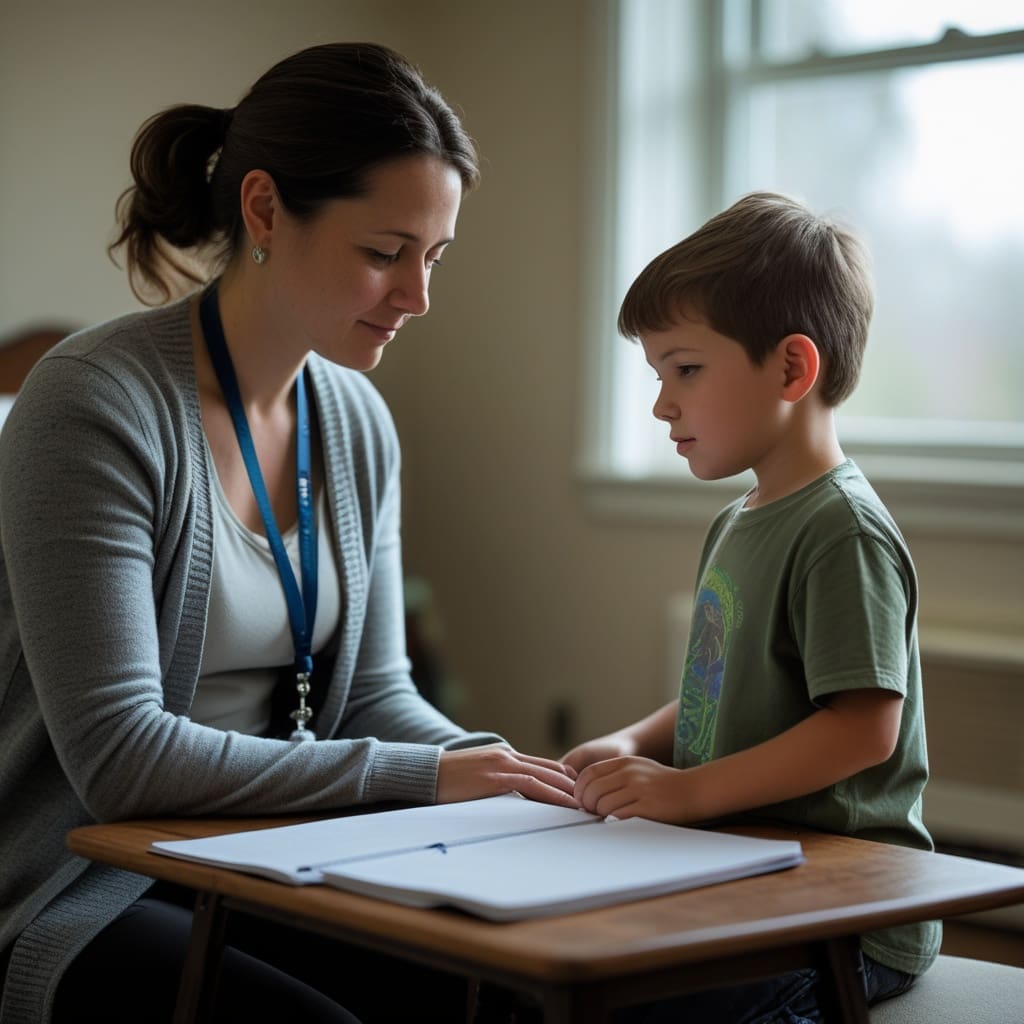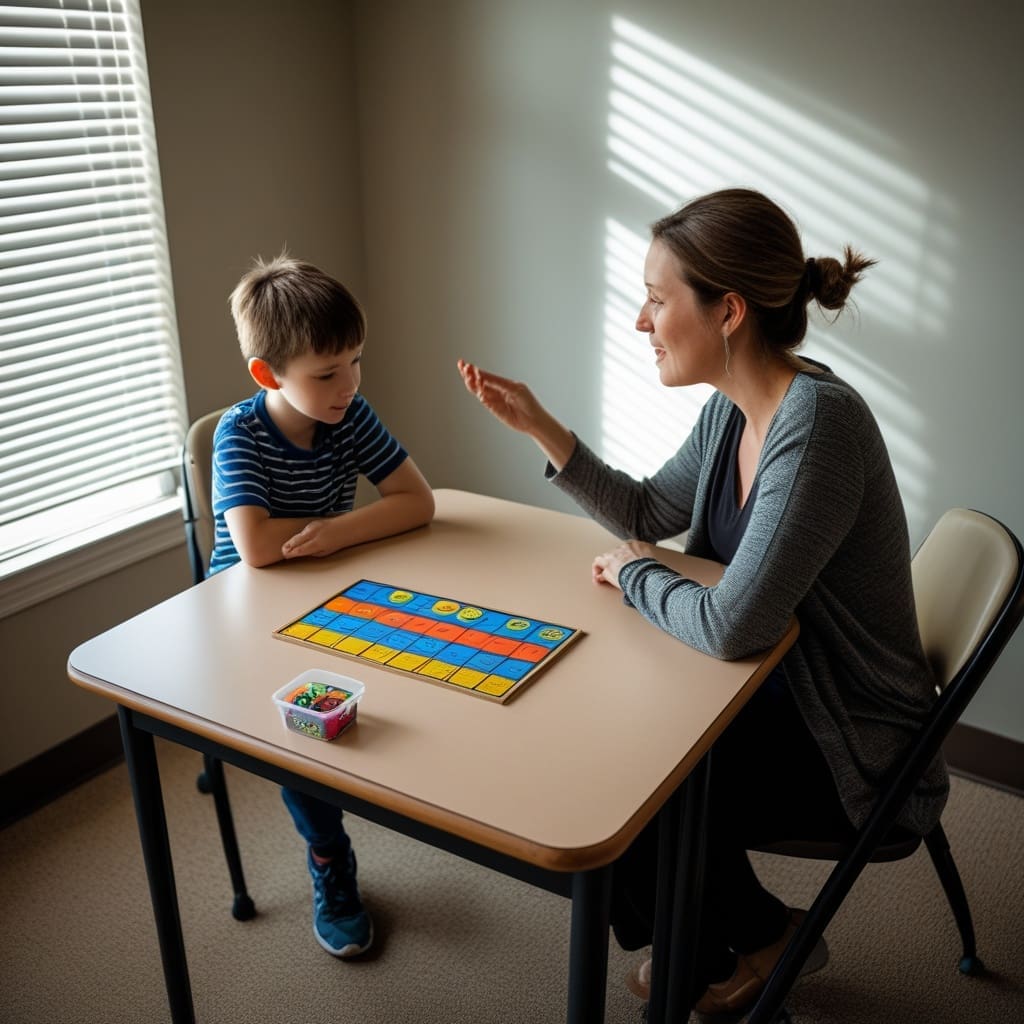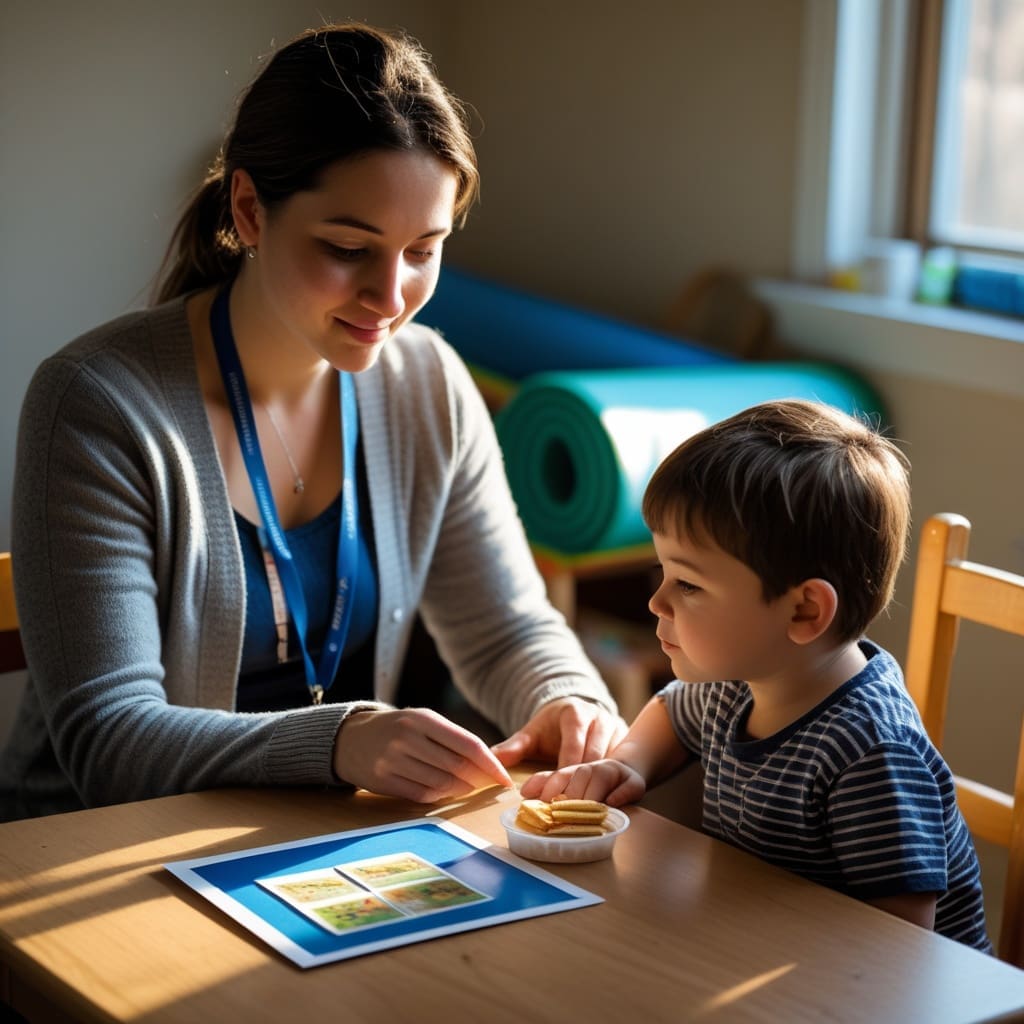

ABA therapy supports nonverbal and minimally verbal children by breaking communication into small, teachable steps and reinforcing every attempt to connect, whether through gestures, pictures, a speech device, or emerging words. According to the Centers for Disease Control and Prevention’s Autism and Developmental Disabilities Monitoring Network, roughly 1 in 31 children in the United States has been identified with autism spectrum disorder, and research consistently shows that between 25 and 30 percent of these children remain minimally verbal or nonverbal into their school years. Applied Behavior Analysis, when delivered by a Board Certified Behavior Analyst (BCBA), gives these children a structured path toward expressing needs, reducing frustration, and building relationships with family members and peers. For many families, this therapy becomes the foundation for every other skill a child later develops.
Key Takeaways
- Between 25 and 30 percent of children with autism spectrum disorder remain minimally verbal or nonverbal, according to published prevalence research.
- ABA therapy uses Functional Communication Training (FCT) to replace frustration-driven behaviors with requests, gestures, or device use.
- Augmentative and Alternative Communication (AAC) tools, including picture systems and speech-generating devices, work alongside ABA rather than instead of it.
- Comprehensive ABA programs typically run 20 to 40 hours per week and cost between $120 and $180 per hour without insurance offsets.
- Starting therapy between ages 2 and 4 is associated with stronger long-term communication outcomes than starting after age 6.
- Parent involvement, including at-home reinforcement of communication attempts, is one of the strongest predictors of progress.
What Does It Mean for a Child With Autism to Be Nonverbal or Minimally Verbal?
A nonverbal child with autism produces little to no spoken language, while a minimally verbal child may use a small number of words or phrases inconsistently. This distinction matters because treatment planning differs based on where a child falls on that spectrum. Some children have the physical capacity for speech but lack the motor planning or social motivation to use it reliably, while others process language differently in ways that make spoken words far less accessible than visual or tactile input.
Clinicians typically assess communication ability before designing a treatment plan, looking at expressive language, receptive understanding, and the presence of behaviors that may signal unmet communication needs. A child who screams or bites when denied a toy, for example, may be communicating a request in the only way currently available. That observation becomes the starting point for ABA intervention.
How Does ABA Therapy Build Functional Communication for Nonverbal Children?
ABA therapy builds functional communication by teaching children to replace ineffective or disruptive behaviors with specific, reinforced communication responses. This process, known as Functional Communication Training, is one of the most researched interventions in the field, with decades of published studies showing meaningful reductions in problem behavior once a child gains an alternative way to express the same need. A therapist begins by identifying the function behind a child’s communication attempts, determining whether a behavior serves to gain attention, escape a demand, access an item, or meet a sensory need.
Once the function is clear, the therapist teaches a replacement behavior that serves the same purpose but is more socially acceptable and easier for others to understand. This might look like:
- Teaching a child to hand over a single picture card to request a snack, reinforced immediately with that exact snack (typically mastered within 2 to 6 weeks of consistent trials).
- Shaping a reach-and-point gesture into a more precise index-finger point toward a desired item, reinforced across 10 to 20 trials per session.
- Fading physical prompts on a speech-generating device so the child presses the correct icon independently, often over 4 to 8 weeks depending on motor skill.
- Building tolerance for waiting after a request, starting with a 2-second delay and gradually extending to 30 seconds or more.
- Generalizing the new communication response across three or more settings, such as home, school, and the therapy clinic, to confirm the skill holds outside a single environment.
Data collection drives every one of these steps. A BCBA reviews session notes daily or weekly, tracking the rate of independent communication attempts against prompted ones, and adjusts the plan when progress plateaus for more than two consecutive weeks.
What Communication Tools Does ABA Use Alongside Nonverbal Children?
ABA therapy frequently incorporates the Picture Exchange Communication System (PECS) and Augmentative and Alternative Communication (AAC) devices as tools within the broader treatment plan, not as replacements for behavioral teaching. PECS moves a child through six defined phases, starting with a single picture exchange for a desired item and progressing to sentence construction and commenting on the environment. Many children move through the first two phases within 8 to 12 weeks of consistent instruction, though pace varies with each child’s attention span and motor coordination.
AAC devices, ranging from simple picture boards to dedicated speech-generating tablets, give children a voice output option when spoken language remains inaccessible. The device itself does not teach communication; the ABA program built around it does, by reinforcing correct icon selection, teaching navigation across screens, and prompting spontaneous use rather than only responding to questions. Speech-language pathologists and BCBAs often collaborate closely here, since device selection and behavioral programming work best as a coordinated effort rather than two separate services running in parallel.
How Much Does ABA Therapy for Nonverbal Autism Cost?
ABA therapy for a nonverbal or minimally verbal child typically costs between $120 and $180 per hour when billed privately, with comprehensive programs running 20 to 40 hours weekly. That translates to an annual cost of roughly $62,000 to $150,000 without insurance coverage, according to figures widely reported by autism treatment providers and advocacy organizations. Costs vary based on region, the credential level of the treating clinician (a BCBA-led plan generally costs more per hour than technician-delivered sessions billed under supervision), and the number of weekly hours a physician or psychologist recommends.
All 50 states now have some form of autism insurance mandate requiring coverage for ABA services, though the details of what is covered, including hour limits and age caps, differ by state and by whether a plan is fully insured or self-funded under ERISA. Medicaid also covers medically necessary ABA therapy nationwide following a 2014 directive from the Centers for Medicare and Medicaid Services. Families should confirm three things before starting services: the plan’s prior authorization requirements, the annual or lifetime visit cap if one exists, and whether the provider is in-network, since out-of-network reimbursement rates can leave a substantial gap in coverage.
A rough cost breakdown for a typical intensive program looks like this:
- Initial assessment and treatment plan development: $500 to $2,500, often billed as a one-time fee.
- BCBA supervision hours (typically 10 to 20 percent of total weekly hours): billed at $100 to $150 per hour.
- Registered Behavior Technician (RBT) direct sessions: billed at $45 to $80 per hour, though the family-facing rate often blends with supervision costs.
- AAC device evaluation through a speech-language pathologist: $200 to $600, separate from the ABA billing.
When Should ABA Therapy Start for a Nonverbal or Minimally Verbal Child?
Research consistently points to earlier intervention producing stronger communication gains, with many studies recommending treatment begin between ages 2 and 4 whenever possible. The brain’s language-related neural pathways show greater plasticity during these early years, which is part of why starting communication-focused therapy early for minimally verbal toddlers tends to produce faster skill acquisition than waiting until a child enters school. That said, meaningful progress remains achievable at any age; older children and even adults can build functional communication skills through the same behavioral principles, though the pace of acquisition may differ.
Parents often notice early signs before a formal autism diagnosis is complete, including limited response to their name by 12 months, absence of babbling by 12 months, no single words by 16 months, and no two-word phrases by 24 months. Pediatricians frequently refer families for a developmental evaluation at these markers, and early ABA referral can begin even while a full diagnostic workup is still underway in many states.
What Role Do Parents Play in ABA Therapy for Nonverbal Children?
Parents play a central role in ABA therapy by reinforcing communication attempts consistently outside of formal sessions, since a child who only practices a new skill for 20 hours a week in a clinic misses the other 148 hours available for practice. BCBAs typically build parent training directly into the treatment plan, teaching caregivers how to prompt correctly, when to withhold help so a child attempts communication independently, and how to respond to challenging behavior without accidentally reinforcing it. Programs focused on teaching families to reinforce AAC and communication gains at home tend to show faster generalization of skills across settings, since the child practices the same expectations at the dinner table, in the car, and during play that they practice in a clinical session.
This involvement also protects against a common setback: skill loss when therapy hours are reduced or a child transitions between providers. Families who understand the reinforcement schedule and prompting hierarchy behind their child’s program can maintain progress during these transitions rather than losing ground.
How Do You Know ABA Therapy Is Working for a Nonverbal Child?
Progress in ABA therapy for a nonverbal child shows up as an increase in independent communication attempts and a decrease in the frequency or intensity of challenging behavior tied to unmet needs. BCBAs track this through ongoing data collection, typically reviewing graphs of daily or weekly performance rather than relying on subjective impressions. A treatment plan that shows no measurable movement toward stated communication goals after 8 to 12 weeks generally warrants a formal review and adjustment, whether that means changing the reinforcement schedule, introducing a new AAC option, or increasing session frequency.
Measurable progress does not always mean spoken words. For many nonverbal children, success looks like a reliable point, a consistent picture exchange, or independent device use that replaces a behavior that once caused daily frustration for the whole family.
Families should expect regular progress reports, typically every 3 to 6 months, along with updated goals that build on mastered skills. A plan that never changes its targets over a long stretch may signal that the program has plateaued and needs a fresh clinical look.
Conclusion
ABA therapy gives nonverbal and minimally verbal children a structured, evidence-based path toward functional communication, whether that path runs through gestures, picture exchange, a speech-generating device, or gradually emerging speech. The approach works because it starts with the individual child’s current skills and behavior functions, then builds forward in small, measurable steps rather than expecting language to appear all at once. A child who starts out grabbing an adult’s hand to request a snack might progress to touching an icon on a tablet, then to combining two icons into a short phrase, then to approximating a spoken word. Each step gets tracked with data, so the team can see what’s working and adjust quickly if progress stalls. With early intervention, consistent parent involvement, and a qualified BCBA guiding the plan, many nonverbal children develop reliable ways to express their needs, reduce frustration, and connect more fully with the people around them. Progress looks different for every child, but the direction is the same: more communication, less struggle, and more independence at home and school.
Frequently Asked Questions
Can a Nonverbal Autistic Child Learn to Talk Through ABA Therapy?
Some nonverbal children do develop spoken words through ABA therapy, though outcomes vary widely by individual. Verbal Behavior programs within ABA specifically target vocal imitation and word approximation, and many children who begin therapy with no spoken language gain at least some functional words over one to three years of consistent treatment. Others communicate most reliably through AAC or picture systems even after years of therapy, and that outcome represents genuine success rather than a failure of treatment.
Is ABA Therapy Better Than AAC for a Nonverbal Child?
ABA therapy and AAC are not competing options; ABA provides the teaching framework that makes AAC devices and picture systems effective. A device alone does not teach a child to request, comment, or reject; the behavioral programming built around it does that work. Most treatment teams use both together rather than choosing one over the other.
How Many Hours a Week Does a Nonverbal Child Need ABA Therapy?
Most comprehensive programs recommend 20 to 40 hours per week, though the exact number depends on the severity of communication delay and behavior needs. A physician or BCBA typically sets this number after a formal assessment, and hours often decrease over time as a child masters skills and moves toward more independent functioning.
Does Insurance Cover ABA Therapy for a Nonverbal Autistic Child?
Most private insurance plans and Medicaid programs in the United States cover ABA therapy, though coverage limits and prior authorization rules differ by state and plan. Families should confirm hour caps, age limits, and in-network provider requirements before starting services, since these details significantly affect out-of-pocket cost.
At What Age Should ABA Therapy Start for a Minimally Verbal Child?
Most research supports starting ABA therapy between ages 2 and 4 for the strongest long-term communication outcomes. Progress remains possible at older ages as well, but earlier intervention generally allows a child to build foundational communication skills before the demands of school and social settings increase significantly.