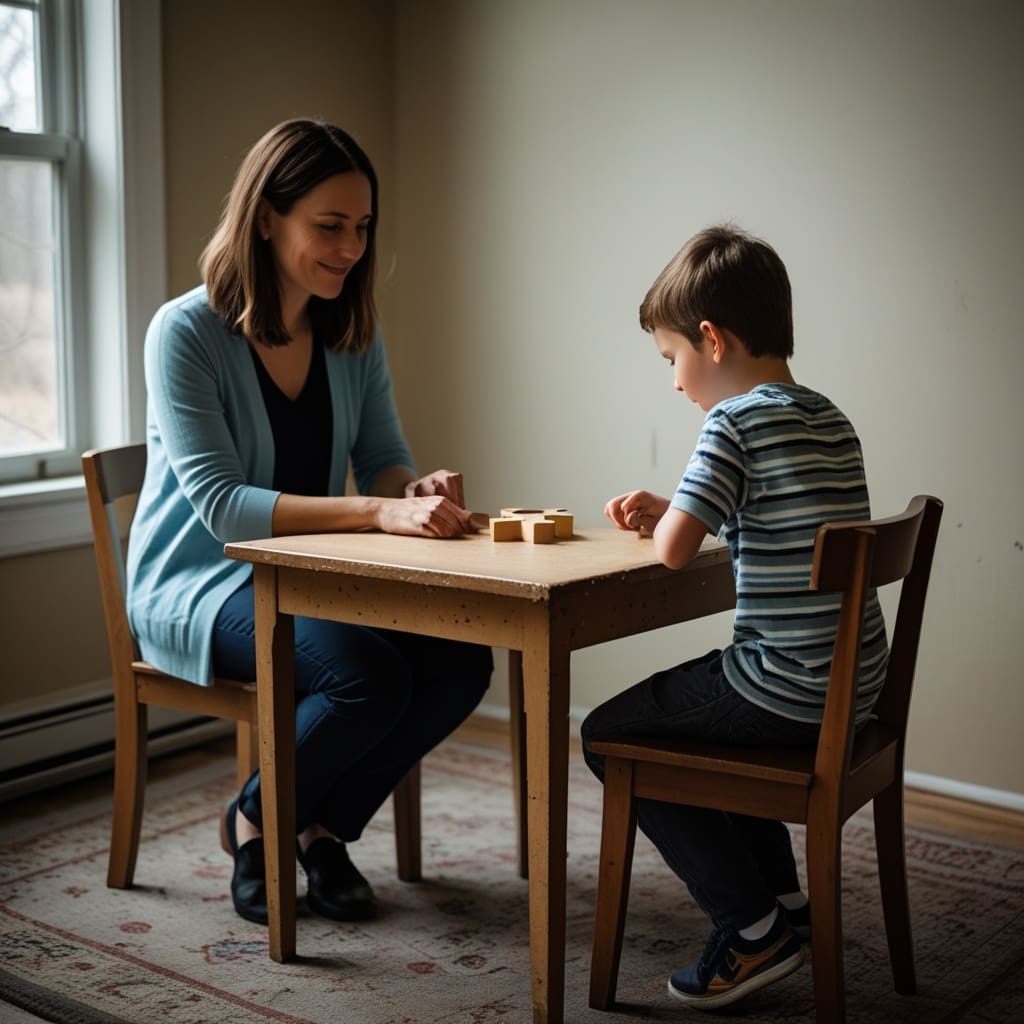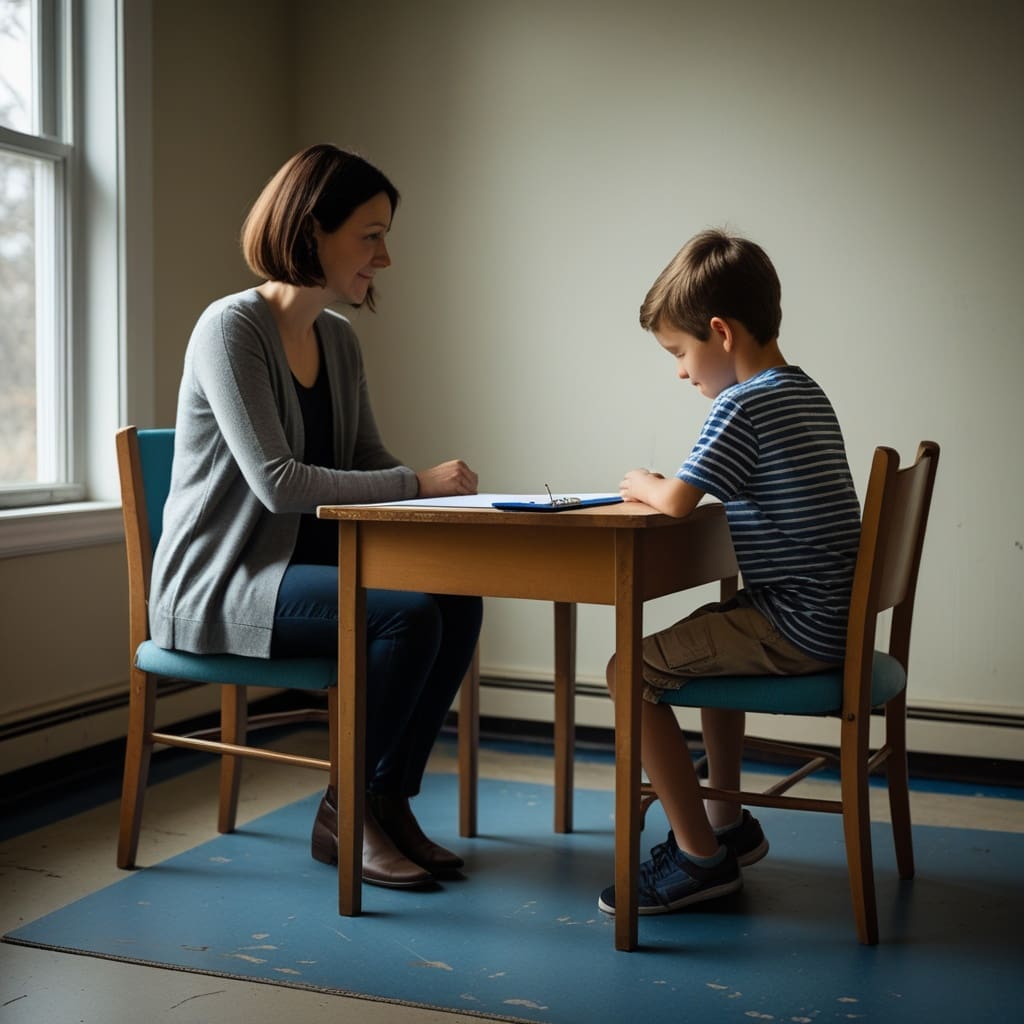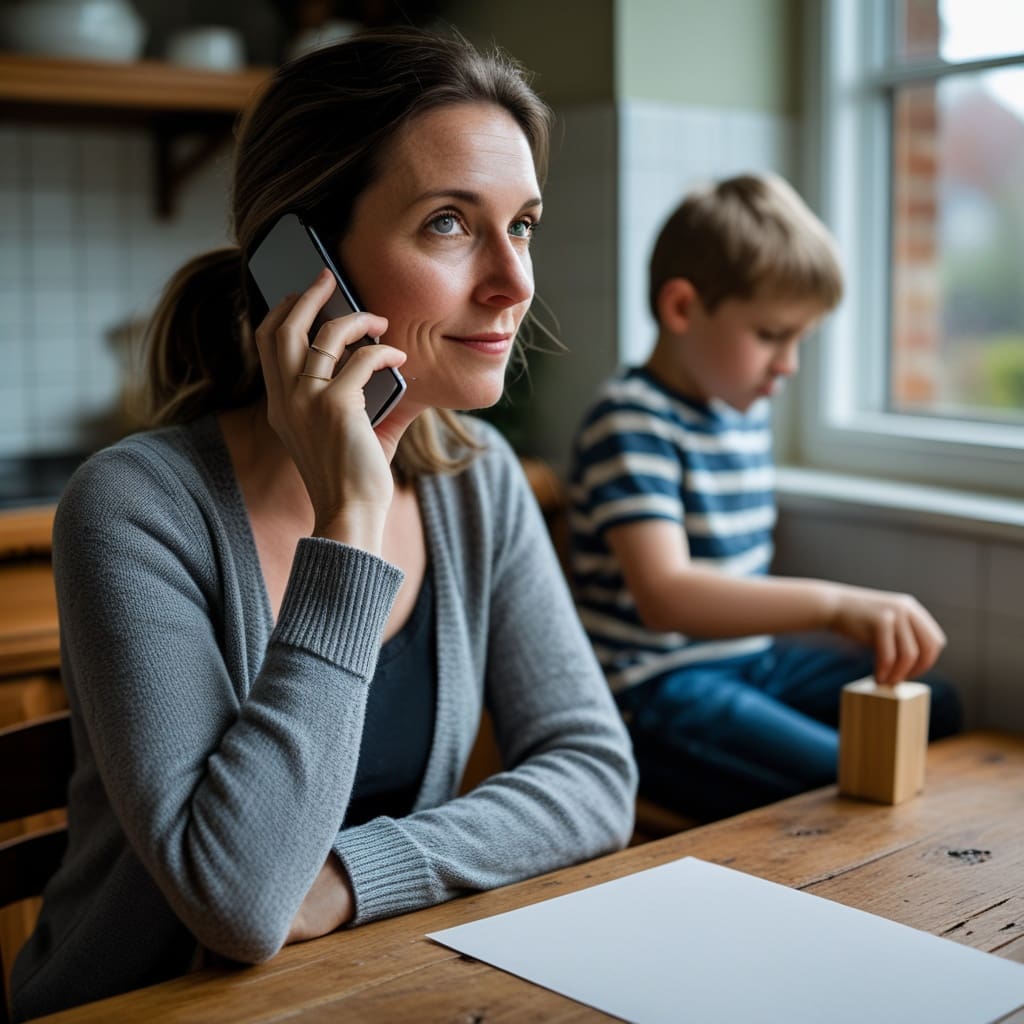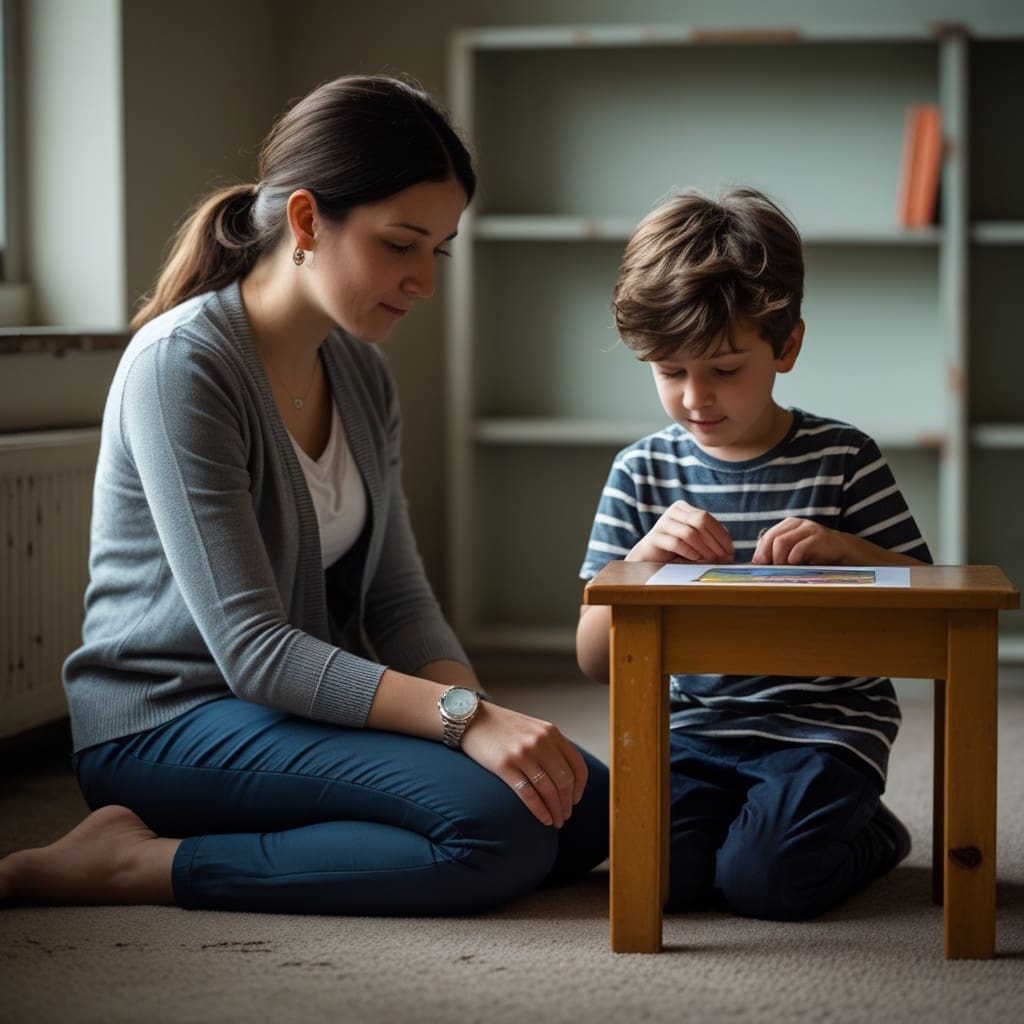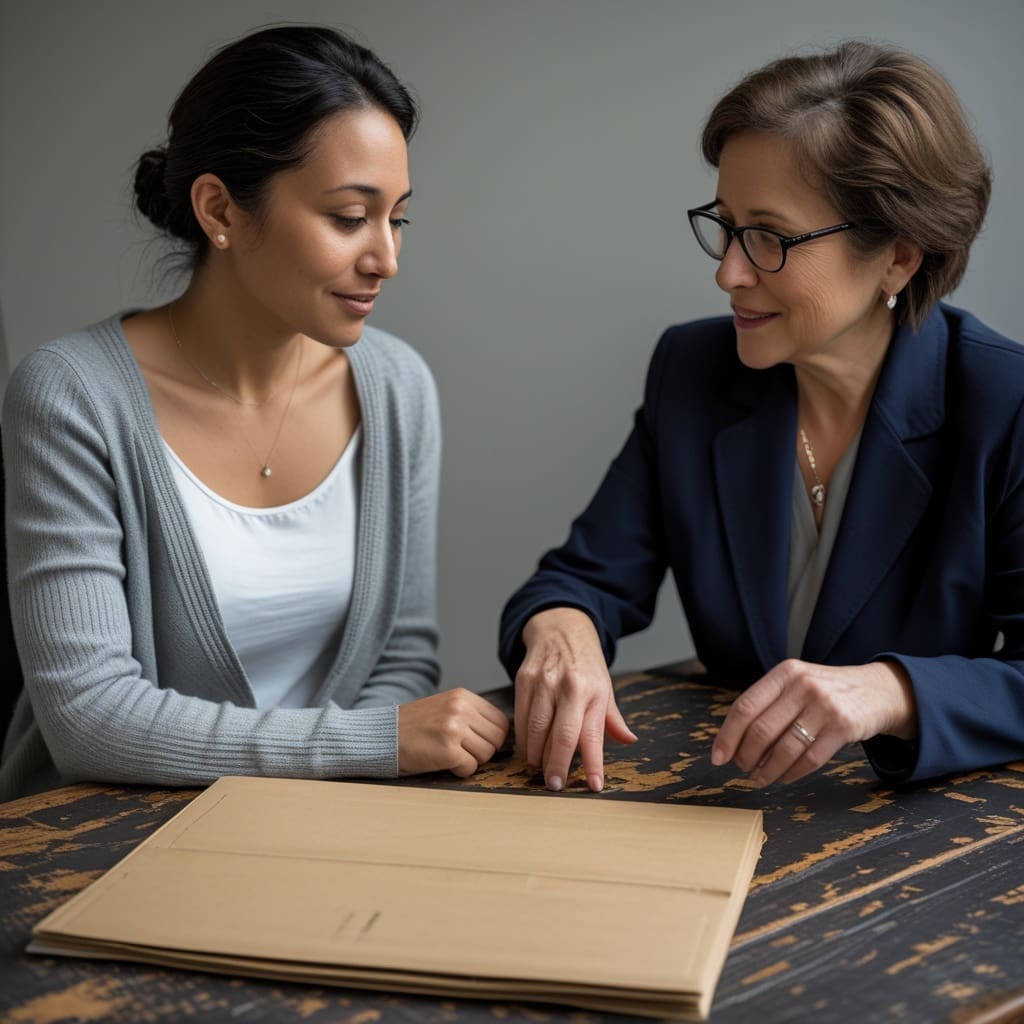

A typical ABA therapy session lasts between two and four hours and follows a structured routine built around your child’s individual treatment plan, including skill-building activities, data collection, and scheduled breaks. Sessions are led by a registered behavior technician (RBT) working under the supervision of a Board Certified Behavior Analyst (BCBA), who designs the goals and reviews progress on a regular basis. According to the Council of Autism Service Providers (CASP), most children receiving Applied Behavior Analysis attend between ten and twenty-five hours of therapy per week, spread across multiple sessions. The exact structure of any single session depends on your child’s age, goals, and whether therapy happens at home or inside a dedicated center.
Key Takeaways
- A standard ABA session runs two to four hours, though some early intervention sessions for toddlers last as little as ninety minutes.
- Sessions combine structured teaching, natural play-based learning, and short breaks, with data recorded throughout on every target skill.
- Registered behavior technicians deliver the hands-on teaching, while a BCBA designs the plan and reviews data at least once every two weeks.
- In-home and center-based formats follow similar clinical steps but differ in distractions, peer interaction, and available equipment.
- Total weekly therapy hours typically range from ten to twenty-five, depending on the severity of your child’s needs and your treatment team’s recommendation.
- Average hourly rates for ABA therapy fall between $120 and $200, according to CASP’s 2026 provider survey, though insurance coverage often reduces out-of-pocket cost substantially.
How Long Does an ABA Therapy Session Last?
Most ABA sessions last between two and four hours, though the exact length depends on your child’s age, stamina, and treatment intensity. Toddlers and children with lower tolerance for structured activity often start with shorter sessions of ninety minutes to two hours, while school-age children working on multiple goals may attend sessions lasting three to four hours. Early intensive behavioral intervention (EIBI) programs, recommended for children under age six, frequently call for twenty to forty hours of therapy per week, split into daily two-to-four-hour blocks.
Session length also shifts as your child progresses. A BCBA may recommend longer sessions early in treatment to build foundational skills quickly, then taper the hours as your child masters goals and moves toward less intensive maintenance therapy. No two treatment plans look identical, since session length is meant to match your child’s specific developmental profile rather than a fixed industry standard.
What Happens During a Typical ABA Therapy Session?
Every session follows a similar clinical rhythm, even though the specific activities change based on your child’s goals. Below is a realistic breakdown of how a three-hour session commonly unfolds.
- Warm-up and rapport building (10 to 15 minutes): The therapist greets your child, checks in on mood and readiness, and engages in a preferred activity to establish comfort before formal teaching begins.
- Review of prior goals (10 minutes): The RBT checks data from the previous session and briefly reviews skills your child mastered or is close to mastering.
- Discrete trial training (30 to 45 minutes): Structured, repeated learning trials target specific skills such as following instructions, labeling objects, or answering questions, with reinforcement delivered after each correct response.
- Natural environment teaching (30 to 45 minutes): Skills are practiced during play or daily routines, such as requesting a toy, taking turns, or transitioning between activities, to help your child generalize what was learned.
- Break (10 to 15 minutes): A scheduled pause allows your child to rest, self-regulate, or engage in a preferred activity before returning to structured work.
- Skill practice in a second domain (30 to 45 minutes): The therapist shifts to another goal area, such as communication, social skills, or self-help tasks like dressing or handwashing.
- Wrap-up and data review (10 to 15 minutes): The session ends with a calming activity, and the therapist finalizes data sheets before communicating a short update to you.
Throughout each of these steps, the RBT records data continuously, often using a tablet application that logs the number of correct responses, prompts needed, and any behavioral incidents. This constant data collection is what allows a BCBA to make objective decisions about your child’s treatment plan rather than relying on general impressions.
In-Home vs. Center-Based ABA Sessions: Which Format Fits Your Child?
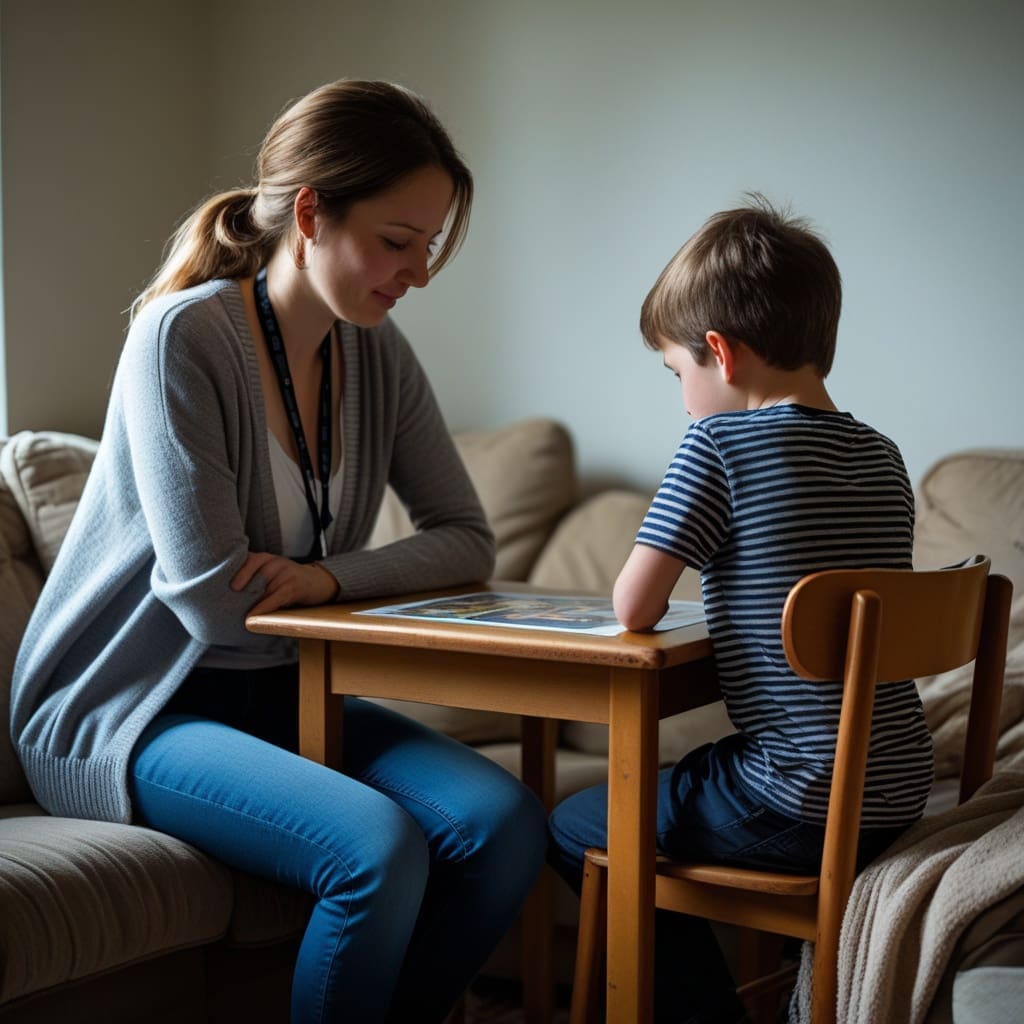
Both formats follow the same clinical process, but the environment changes how sessions feel day to day. Reviewing what a session looks like when therapy happens in your own home can help you decide whether the comfort and convenience of your own space outweighs the structure a center provides.
- In-home sessions: Skills are taught in the exact environment where your child needs them, such as the kitchen table, bathroom, or backyard. This format reduces travel time and allows the therapist to address real household routines, though it can introduce distractions from siblings, pets, or household noise.
- Center-based sessions: Therapy happens inside a dedicated clinic equipped with sensory rooms, group activity spaces, and structured materials. Learning about how a structured session runs at a dedicated therapy center is useful if your child benefits from a consistent, distraction-controlled setting and opportunities to practice social skills with peers.
- Combination models: Many families choose a hybrid approach, splitting weekly hours between a center and the home, which allows skills learned in a controlled setting to be practiced immediately in daily life.
Neither format is universally superior. A BCBA typically bases the recommendation on your child’s need for social exposure, sensitivity to sensory environments, family schedule, and specific treatment goals.
What Teaching Methods Are Used During Sessions?
Sessions rely on a mix of structured and naturalistic teaching methods, chosen based on the specific skill being targeted. Discrete trial training breaks a skill into small, repeatable steps with clear prompts and immediate reinforcement, which works well for building foundational skills like matching, imitation, or basic language. Natural environment teaching embeds those same skills into everyday play or routines, helping your child use the skill outside of a structured drill.
Other common approaches used within a session include:
- Pivotal response training, which targets broad, foundational skills such as motivation and self-initiation rather than isolated behaviors.
- Video modeling, where your child watches short clips demonstrating a target skill, such as greeting a peer or completing a task sequence.
- Functional communication training, which teaches an alternative way to request needs, often reducing frustration-driven behaviors.
- Task analysis, which breaks multi-step routines like brushing teeth or tying shoes into smaller, teachable steps.
A BCBA selects the mix of methods based on ongoing assessment results and adjusts the approach as your child’s skills change, which is why sessions rarely look exactly the same from month to month.
How Is Progress Tracked During and Between Sessions?
Every session generates data on specific, measurable goals, and that data is what drives clinical decisions about your child’s plan. RBTs typically record accuracy percentages, the number of prompts required, and the frequency of any target behaviors, often using electronic data collection systems that sync directly to the supervising BCBA’s dashboard. Reviewing how each session’s activities tie back to your child’s individual goals shows why this constant tracking matters more than it might initially seem.
According to the Behavior Analyst Certification Board (BACB), supervising BCBAs are required to review case data and provide oversight for a minimum percentage of direct service hours, a standard designed to keep treatment decisions grounded in objective evidence rather than guesswork. In practice, most BCBAs review data weekly and hold a formal progress meeting with families every two to six weeks. During these reviews, goals that have been mastered are retired and replaced, while stalled goals are adjusted, broken into smaller steps, or paired with new reinforcement strategies.
Consistent data collection is what separates ABA therapy from general play-based intervention. It gives your treatment team an objective record of what is working, not just an impression of how the session felt.
How Many ABA Sessions Does a Child Need Each Week?
Weekly ABA hours generally fall between ten and twenty-five, with intensity based on your child’s assessed needs rather than a fixed formula. The American Academy of Pediatrics and the CDC’s Autism and Developmental Disabilities Monitoring (ADDM) Network, which reports that autism now affects roughly one in thirty-one children in the United States as of its most recent surveillance data, both note that earlier and more intensive intervention tends to produce stronger long-term outcomes for young children. That said, intensity recommendations vary widely by case.
- Focused ABA: Ten to fifteen hours per week, typically for children targeting a small number of specific goals, such as communication or a single problem behavior.
- Comprehensive ABA: Twenty to forty hours per week, generally recommended for young children with more significant developmental delays across multiple domains.
- Maintenance therapy: Five to ten hours per week, often used once a child has made substantial progress and needs ongoing support to retain skills.
Insurance coverage also factors into how many hours a family pursues. Per CASP’s 2026 industry report, average billed rates for ABA services range from $120 to $200 per hour, and annual costs for a child receiving twenty hours per week can exceed $50,000 without insurance support. Most states now require commercial insurance plans to cover medically necessary ABA therapy, though prior authorization requirements and hour caps still vary by plan.
Ready to See What an ABA Session Could Look Like for Your Child?
Deciding on a therapy format and schedule becomes far easier once you understand what actually happens during a session, from the first greeting to the final data review. If you are weighing in-home convenience against center-based structure, reach out to a treatment team that can walk you through both options based on your child’s specific goals and your family’s daily routine. A brief consultation can clarify realistic weekly hours, expected costs, and how quickly you might expect to see meaningful progress.
Frequently Asked Questions
What Should You Expect in Your Child’s First ABA Session?
The first session usually focuses on rapport building and observation rather than intensive teaching. A BCBA or RBT spends much of the initial visit getting to know your child’s preferences, tolerance for structure, and communication style before introducing formal teaching trials in later sessions.
How Long Does It Take to See Progress From ABA Therapy?
Many families notice small behavioral changes within four to eight weeks, though measurable skill gains often take three to six months. Progress speed depends on session frequency, the specific goals targeted, and consistency of practice between sessions.
Can Parents Stay in the Room During an ABA Session?
Parent involvement policies vary by provider, but most encourage caregiver participation at some point during treatment. Many BCBAs schedule dedicated parent training sessions separate from the child’s direct therapy time, so caregivers can practice strategies used during regular sessions.
What Happens if a Child Refuses to Participate During a Session?
Therapists use planned strategies to reduce refusal rather than forcing compliance. These typically include offering choices, adjusting task difficulty, embedding brief breaks, or pairing a difficult task with a preferred reinforcer to rebuild motivation.
Is ABA Therapy Only for Children With Autism?
ABA principles apply broadly, but most clinical sessions serve children diagnosed with autism spectrum disorder. The techniques are also used, in modified forms, for other developmental and behavioral conditions, though insurance coverage for ABA is most commonly tied to an autism diagnosis.
Conclusion
A typical ABA therapy session is far more structured than a casual play date, built around measurable goals, continuous data collection, and a deliberate mix of teaching methods tailored to your child. Whether sessions happen at home, inside a center, or through a combination of both, the underlying clinical process, rapport building, skill instruction, data review, and family communication, stays consistent. Understanding this structure ahead of time can make the decision to start therapy feel far less uncertain for your family.
Think back to what a real session looks like. A behavior technician arrives, checks in with a quick warm-up activity, then moves into targeted trials that might involve naming objects, following two-step directions, or practicing turn-taking with a sibling. Every response gets logged, right there on a tablet or paper sheet, so the supervising analyst can spot patterns over weeks, not just guess based on a single visit. That data is what turns therapy from a hopeful routine into something you can actually measure and adjust.
Parents often worry the process will feel clinical or cold, but most sessions are built around play, snacks, favorite toys, and short breaks, because kids learn better when they want to be there. A good technician reads the room. If your child is having a rough day, the plan bends, maybe fewer demands, more reinforcement, a shorter session. That flexibility is baked into the model, not a sign something is going wrong.
Knowing the pieces, the greeting, the skill drills, the breaks, the data tracking, the parent update at the end, takes away a lot of the mystery. You’ll know what questions to ask your provider, what to expect on day one, and how to tell if progress is actually happening. That clarity matters more than any brochure, because it lets you show up to your child’s therapy as an informed partner instead of a nervous bystander.