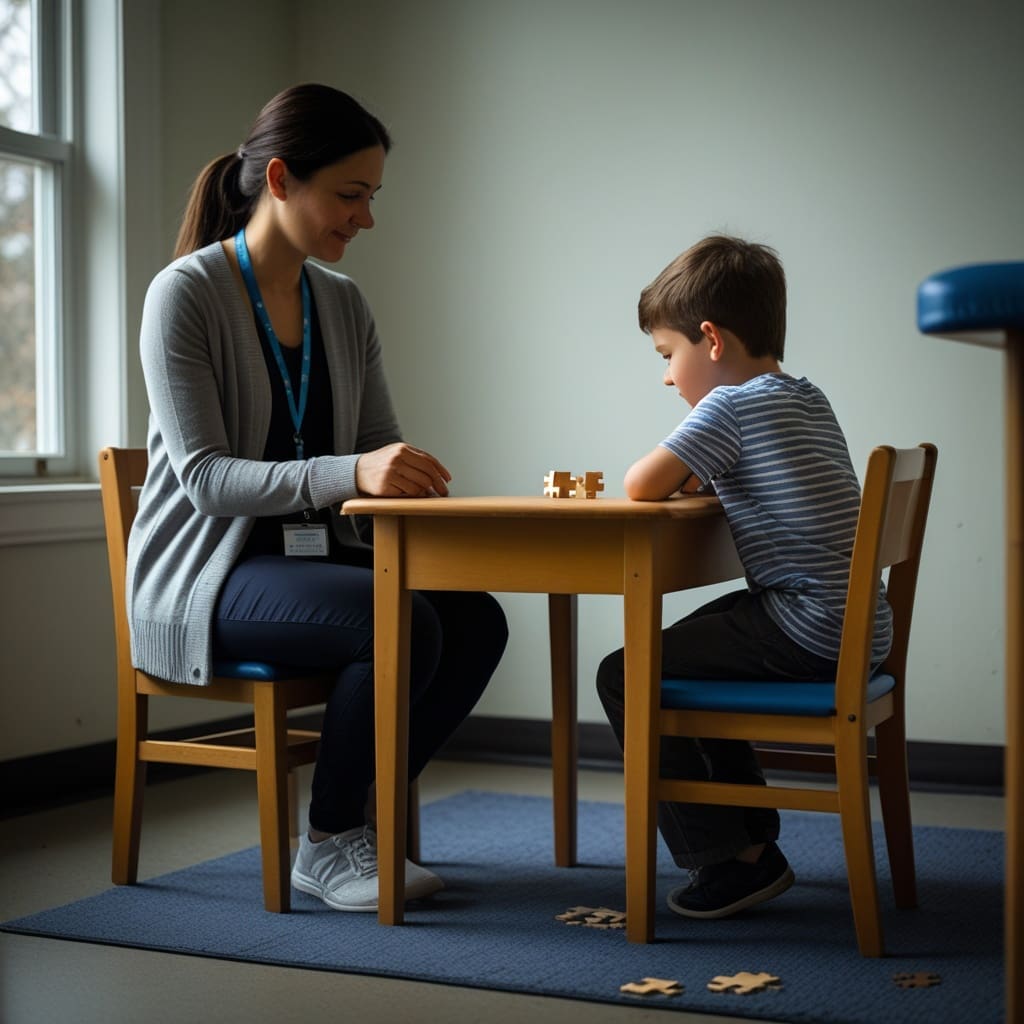

An autism clinic is a specialized healthcare facility staffed by professionals trained specifically in diagnosing and treating autism spectrum disorder, offering evaluations and therapies that a general pediatrician’s office is not equipped to provide. Pediatricians handle general child wellness, vaccinations, and developmental screening at a broad level. An autism clinic, by contrast, employs developmental pediatricians, psychologists, speech-language pathologists, occupational therapists, and board-certified behavior analysts who focus exclusively on autism-related care. According to the Centers for Disease Control and Prevention’s Autism and Developmental Disabilities Monitoring Network, approximately 1 in 36 children in the United States is diagnosed with autism, a rate that has driven demand for clinics built around this single area of expertise.
For parents trying to figure out where to take a child with developmental concerns, the distinction matters more than it might seem. A missed or delayed diagnosis can push back access to early intervention services by months or years, and research from the National Institute of Mental Health consistently links earlier intervention to stronger long-term outcomes in communication and social skills. This article lays out exactly what an autism clinic does, how it differs from a pediatrician’s office, what it costs, and how to know when it is time to seek one out.
Key Takeaways
- An autism clinic provides specialized diagnostic testing (such as the ADOS-2) and ongoing therapies like ABA, speech, and occupational therapy, all under one roof.
- A regular pediatrician typically screens for autism using a brief tool like the M-CHAT-R during 18- and 24-month checkups, then refers out for a full evaluation.
- A comprehensive autism evaluation usually takes 3 to 6 hours across one or more visits and costs between $1,200 and $5,000 without insurance.
- An “autism center” and an “autism clinic” often mean the same thing in practice, though centers sometimes emphasize therapy programs while clinics emphasize diagnosis.
- Most children showing early signs are formally diagnosed between ages 3 and 4, according to the CDC, even though signs are often visible by 18 months.
What Does an Autism Clinic Actually Do?
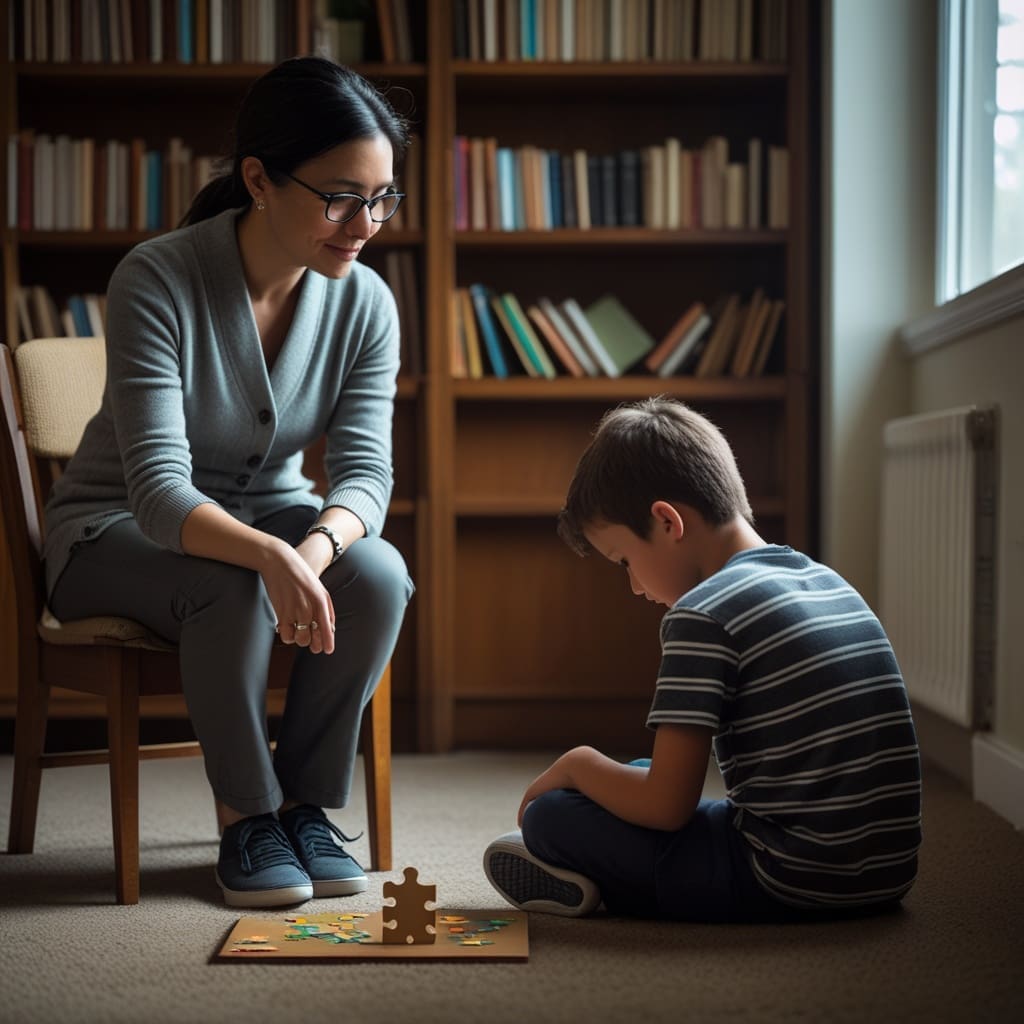
An autism clinic performs in-depth diagnostic evaluations and delivers ongoing, evidence-based treatment for children and adults on the autism spectrum. Most clinics combine several services that would otherwise require separate appointments at separate offices: psychological testing, speech-language assessment, occupational therapy screening, and behavioral therapy planning. This model lets a team of specialists compare notes on a single case rather than working in isolation.
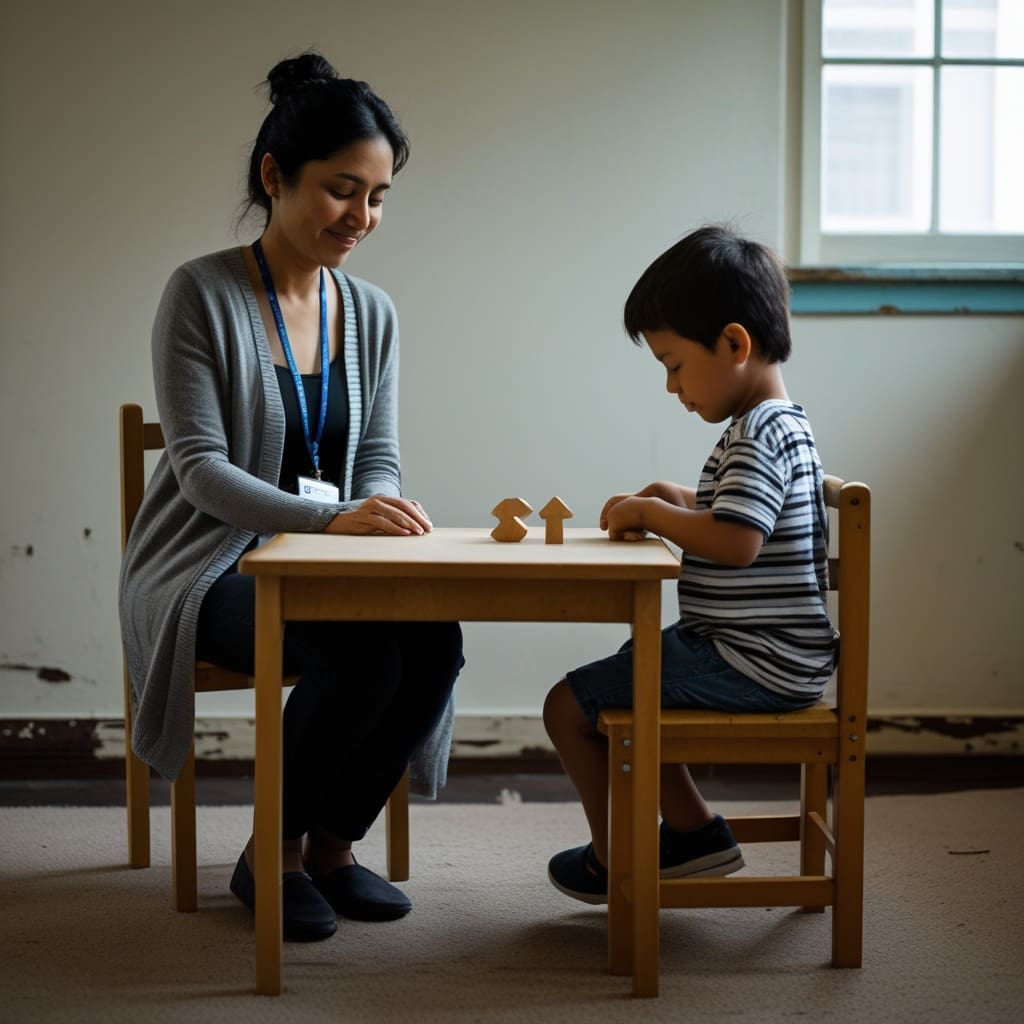
A typical autism clinic visit involves a multi-disciplinary team rather than a single provider. That team might include a licensed clinical psychologist who administers standardized testing, a speech-language pathologist who evaluates communication patterns, and a board-certified behavior analyst (BCBA) who designs a treatment plan based on Applied Behavior Analysis (ABA) principles. Sunshine Behavioral Health Services and similar clinics structure their intake process so that families get a full picture in one coordinated visit rather than piecing together opinions from multiple unrelated offices over several months.

How Is an Autism Clinic Different From a Regular Pediatrician?
A pediatrician screens for developmental delays during wellness visits, while an autism clinic runs in-depth diagnostic testing and delivers specialized therapy. The American Academy of Pediatrics recommends pediatricians use a screening tool, usually the M-CHAT-R, at the 18-month and 24-month visits. That screening takes about 5 to 10 minutes and flags whether a child needs further evaluation. It does not diagnose autism.
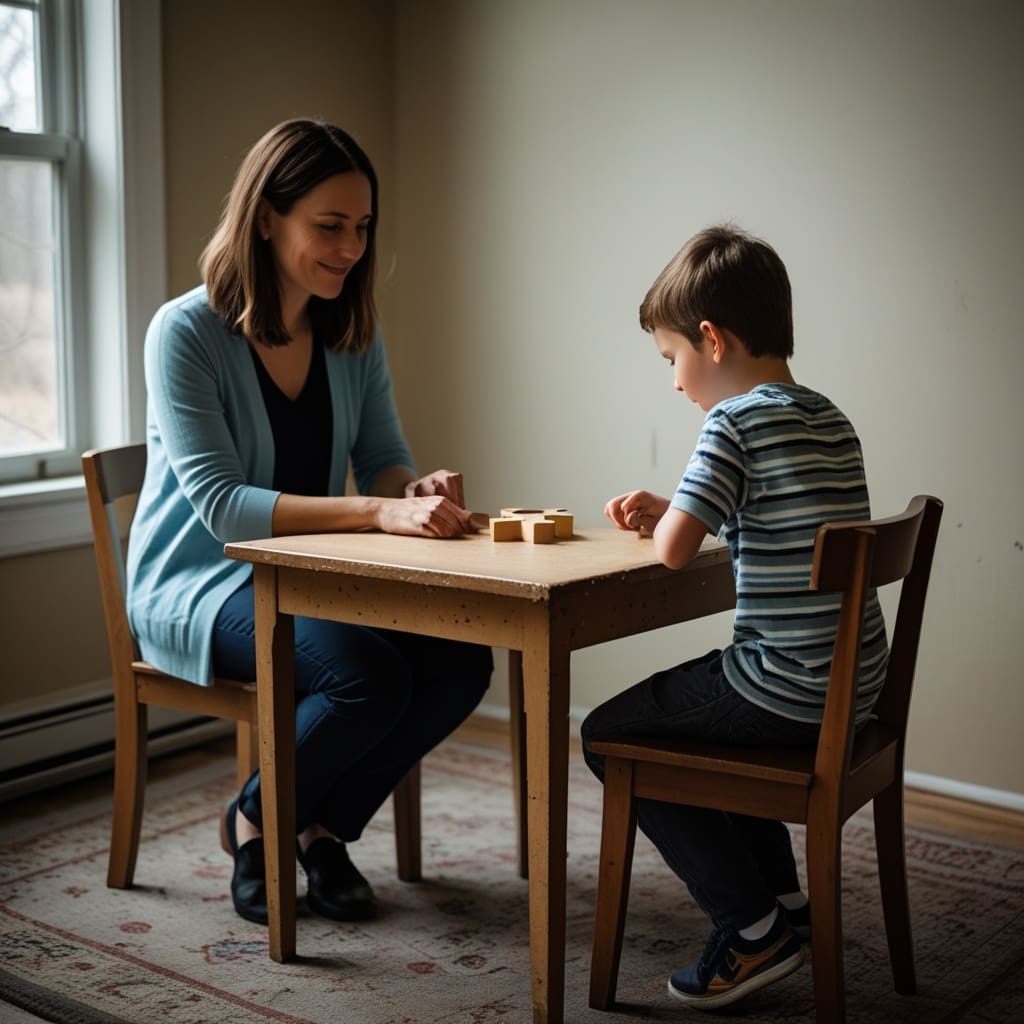
An autism clinic goes much further. Clinicians there use standardized tools like the ADOS-2 and ADI-R, which require special training to give and score. These involve structured play tasks, direct observation, and detailed caregiver interviews that take several hours, not minutes.
Here’s how the two compare:
- Pediatrician’s office: Brief screening (M-CHAT-R), growth and vaccine tracking, referrals, visits of about 15 to 20 minutes.
- Autism clinic: Full diagnostic testing (ADOS-2, ADI-R), speech and occupational therapy assessments, ongoing ABA therapy, evaluations lasting 3 to 6 hours or more across multiple visits.
- Pediatrician’s staff: One physician, possibly a nurse, trained broadly in child health.
- Autism clinic staff: A team of psychologists, BCBAs, speech-language pathologists, and occupational therapists trained specifically in autism.
This is why a specialized diagnostic evaluation differs so much from a routine checkup matters for families trying to understand their child’s needs. A pediatrician’s screening is a useful first flag, not a final answer.
What Services Does an Autism Clinic Provide?
Autism clinics cover diagnosis through long-term treatment under one roof, usually through four or five core services.
- Diagnostic evaluation (3 to 6 hours): ADOS-2 testing, cognitive testing, and parent interviews to check for DSM-5-TR autism criteria.
- Speech-language assessment (60 to 90 minutes): Checks expressive and receptive language and communication, including AAC device needs.
- Occupational therapy screening (45 to 60 minutes): Looks at sensory processing, fine motor skills, and daily living skills like dressing and feeding.
- ABA therapy (10 to 40 hours per week): A BCBA builds an individualized plan based on the child’s needs, following Behavior Analyst Certification Board guidelines.
- Family training (ongoing, usually monthly): Teaches parents strategies to reinforce skills at home.
One organization coordinating all of this keeps treatment plans consistent instead of splitting care across separate providers. That’s the main advantage of getting evaluation and therapy services under one roof, and it’s a big difference from the fragmented referral process that often follows a pediatric visit.
How Much Does an Autism Clinic Evaluation Cost?
A comprehensive autism diagnostic evaluation typically costs between $1,200 and $5,000 without insurance, depending on the number of tests administered and the clinic’s location. Ongoing ABA therapy adds significantly to that figure. According to Autism Speaks’ cost-of-care estimates, families without insurance coverage can spend $17,000 to $21,000 per year on ABA therapy alone when services are billed privately at typical hourly rates of $120 to $150.
Insurance coverage has expanded considerably in the last decade. As of 2024, all 50 states have some form of autism insurance mandate requiring private insurers to cover ABA therapy and diagnostic evaluations, according to Autism Speaks’ state insurance mandate tracker. Medicaid is also required to cover medically necessary autism treatment for children under the Early and Periodic Screening, Diagnostic, and Treatment (EPSDT) benefit, per federal Medicaid guidelines. Even with coverage, families should expect copays, deductibles, and possible session limits, so it is worth calling ahead to confirm what a specific clinic bills for.
A rough cost breakdown looks like this:
- Initial diagnostic evaluation: $1,200 to $5,000 (often reduced to $0 to $500 out-of-pocket with insurance)
- Speech-language assessment: $200 to $600 per session
- Occupational therapy assessment: $150 to $500 per session
- ABA therapy (weekly, uninsured): $1,200 to $4,800, based on 10 to 40 hours at $120 to $150 per hour
- Annual ABA therapy (uninsured): approximately $17,000 to $21,000, per Autism Speaks
What Is an Autism Center vs. an Autism Clinic?
An autism center and an autism clinic usually refer to the same type of facility, though “center” often signals a stronger emphasis on ongoing therapy programs while “clinic” leans toward diagnostic and medical services. Neither term is regulated or standardized nationally, so the actual services offered matter far more than the name on the sign. Some organizations use both words interchangeably in their own materials.
When comparing options, ask about three things regardless of what the facility calls itself: whether diagnostic testing is done on-site or by referral, whether therapy is center-based or provided in-home, and whether the clinical team includes a board-certified behavior analyst. A facility calling itself a “center” that only offers ABA therapy without diagnostic capability is not necessarily worse, but it serves a different function than a full-service clinic. The label tells you less than the service list does.
What Is a Pediatric Autism Clinic?
A pediatric autism clinic is an autism clinic that focuses specifically on children, typically from infancy through age 17 or 18, rather than serving adults as well. These clinics are built around child development milestones, using age-specific diagnostic tools and therapy approaches suited to a child’s developmental stage. A pediatric autism clinic evaluating an 18-month-old will use different observation techniques than one assessing a 10-year-old, since language and social expectations shift dramatically across that age range.
Most pediatric autism clinics coordinate closely with schools once a child is enrolled, helping families secure an Individualized Education Program (IEP) or a 504 Plan under the Individuals with Disabilities Education Act (IDEA). This school-based coordination is one more area where a specialized clinic goes further than a pediatrician’s office typically can, since general pediatricians are not usually involved in writing documentation for school accommodations.
How Do You Know When to Seek Out an Autism Clinic?
You should consider an autism clinic when a pediatrician’s screening flags a concern, when a child shows persistent developmental differences, or when a family simply wants a second, more thorough opinion. Early signs the CDC lists as worth investigating include a lack of pointing or waving by 12 months, no meaningful words by 16 months, no two-word phrases by 24 months, and any loss of language or social skills at any age.
The following signs typically warrant a referral to a specialized clinic rather than continued monitoring alone:
- Limited eye contact or reduced response to their name by 12 months
- Repetitive movements such as hand-flapping or rocking that persist past toddlerhood
- Strong resistance to changes in routine
- Intense or unusual reactions to sounds, textures, or lights
- Difficulty with back-and-forth play or shared attention with caregivers
Pediatricians are trained to catch these red flags during screening, but a formal diagnosis requires the depth of testing only a specialized clinic provides. According to the CDC’s most recent surveillance data, most children are not diagnosed until around age 4, even though reliable diagnosis is often possible by age 2. Acting on early concerns rather than waiting for a formal diagnosis to “become obvious” is one of the most consistent pieces of advice from developmental pediatricians nationwide.
What Happens During an Autism Clinic Evaluation?
A typical autism clinic evaluation unfolds over one to three appointments and follows a fairly consistent sequence across most reputable clinics.
- Intake interview (45 to 60 minutes): A clinician reviews developmental history, birth records, and parent-reported concerns.
- Standardized testing (2 to 3 hours): The ADOS-2 and cognitive assessments are administered directly with the child.
- Caregiver interview (60 to 90 minutes): The ADI-R or a similar structured interview gathers detailed developmental history from parents.
- Team review (1 to 2 weeks after testing): Specialists compare findings and reach a consensus diagnosis.
- Feedback session (60 minutes): Results are explained to the family along with a recommended treatment plan.
Once a diagnosis is confirmed, most clinics move quickly into treatment planning, since early intervention windows matter. This is also where why ongoing therapy happens at a dedicated center rather than a doctor’s office becomes relevant, since a pediatrician’s office simply is not staffed or equipped to deliver 10 to 40 hours a week of structured behavioral therapy.
Finding an Autism Clinic Near You
Searching for an “autism clinic near me” is a reasonable starting point, but it should be paired with a few concrete checks before scheduling. Confirm the clinic employs a licensed psychologist or developmental pediatrician for diagnosis, verify that BCBAs on staff hold current certification through the Behavior Analyst Certification Board, and ask directly about current wait times, since many clinics report waitlists of 2 to 6 months for a full diagnostic evaluation. Calling your insurance provider first to confirm in-network status can also prevent unexpected bills later.
Take the Next Step Toward a Clear Diagnosis
If a pediatrician has flagged a concern or you have noticed developmental differences on your own, scheduling a full evaluation at a specialized autism clinic is the most direct way to get clear answers. Waiting rarely resolves uncertainty, and earlier evaluation generally opens the door to earlier, more effective intervention. Reach out to a clinic in your area today to ask about evaluation availability, insurance acceptance, and typical wait times, so you can move forward with confidence rather than guesswork.
Frequently Asked Questions
Do I need a referral from my pediatrician to visit an autism clinic?
Not always, but it often speeds up the process. Many autism clinics accept self-referrals directly from parents, though a pediatrician’s referral can help with insurance approval and gives the clinic useful background information before the first visit.
How long does it take to get an autism diagnosis at a clinic?
Most families wait 2 to 6 months for an appointment, then complete testing within 1 to 3 visits. Final written results typically arrive 1 to 2 weeks after testing is finished, once the clinical team completes its review.
Can adults be diagnosed at an autism clinic, or is it only for children?
Many clinics diagnose adults, though some specialize exclusively in pediatric care. Adult evaluations use different tools than child assessments, since they rely more heavily on self-report and life history rather than direct play-based observation.
Will insurance cover a visit to an autism clinic?
In most cases, yes, thanks to state autism insurance mandates covering diagnosis and ABA therapy. Coverage details still vary by plan, so confirming in-network status and expected copays before the first visit is worthwhile.
What should I bring to my child’s first autism clinic appointment?
Bring developmental records, any prior screening results, and a written list of specific behaviors you have observed. Video clips of behaviors at home, such as repetitive movements or communication attempts, can also give the clinical team useful context that is hard to capture in a single office visit.
Conclusion
An autism clinic exists to do what a general pediatrician’s office was never designed to do: deliver deep, specialized diagnosis and sustained treatment for autism spectrum disorder. A pediatrician remains an essential first checkpoint, catching early warning signs during routine screenings and pointing families toward the right specialists. But once those signs appear, a dedicated clinic with trained psychologists, speech-language pathologists, occupational therapists, and BCBAs is where an actual diagnosis and a working treatment plan take shape. Recognizing that distinction early can save families months of uncertainty and put a child on the path toward the support they need.