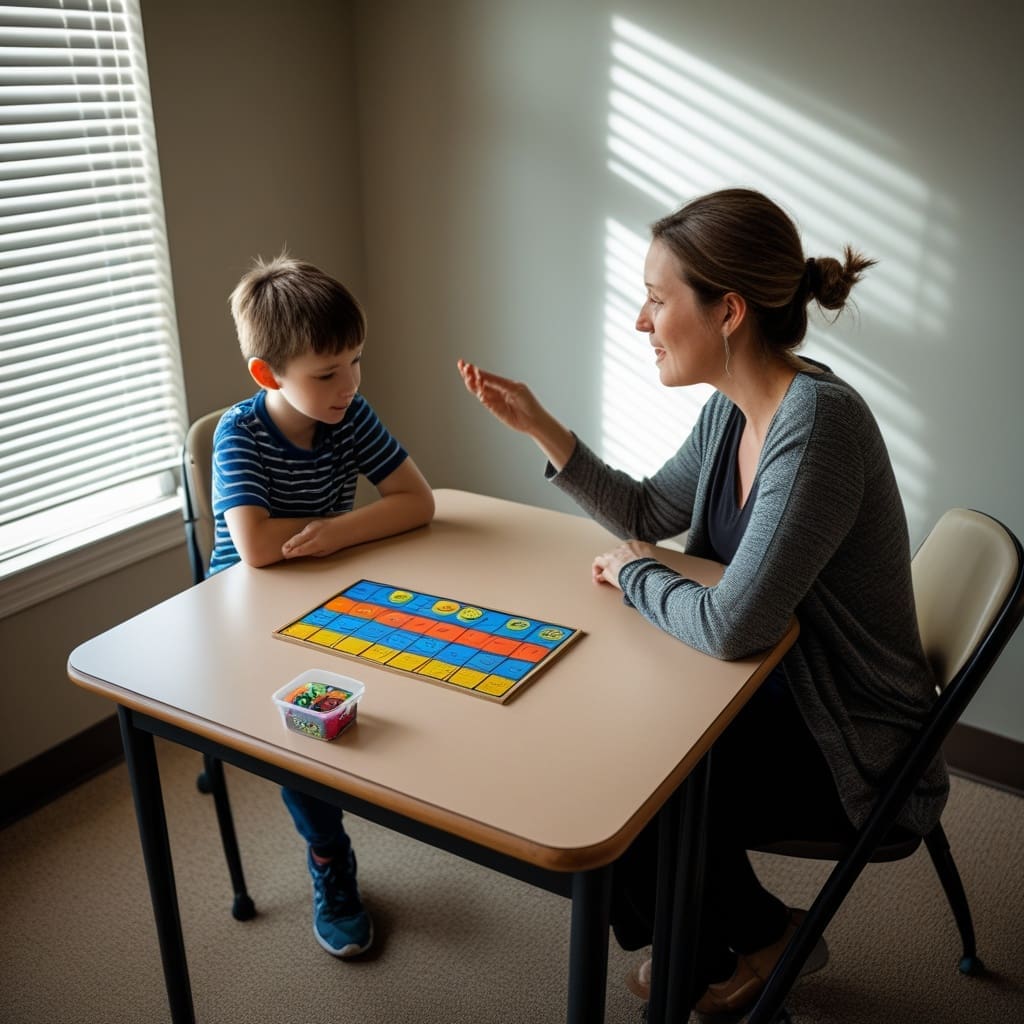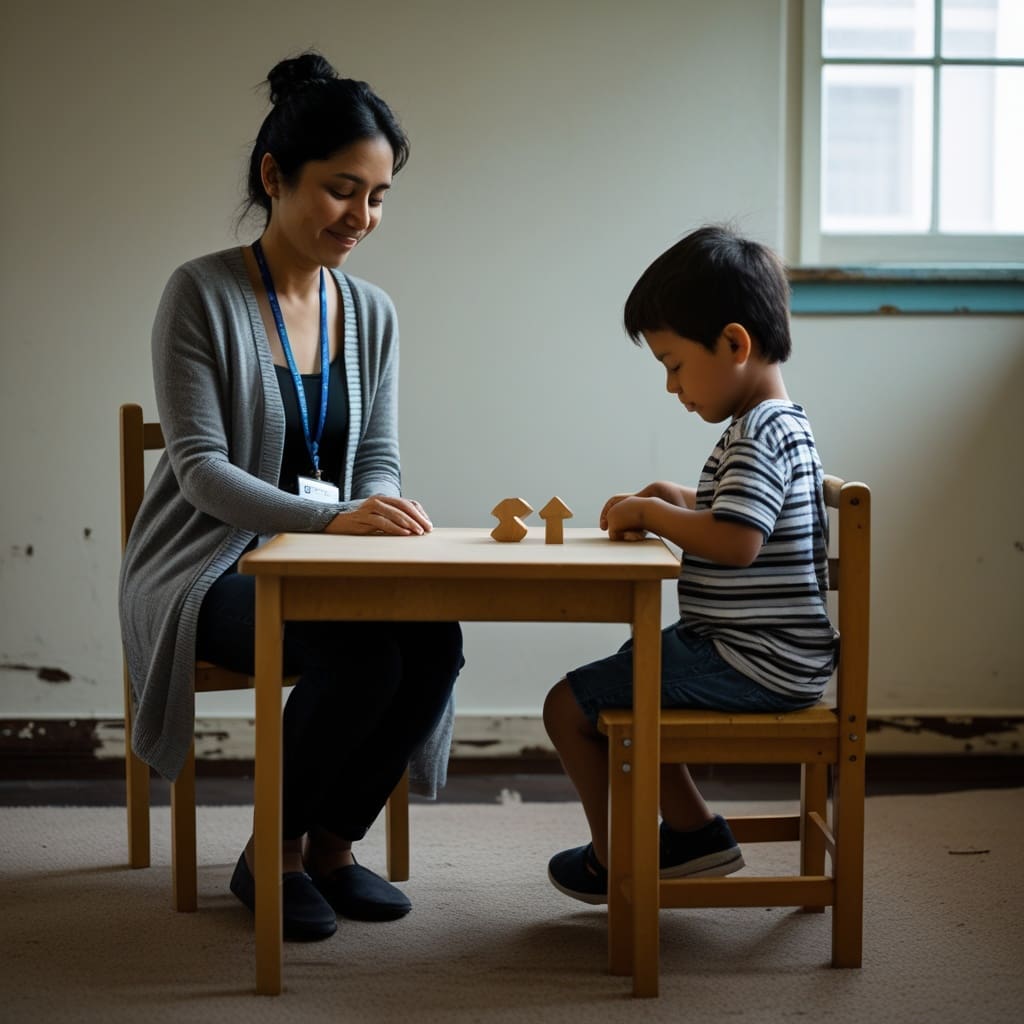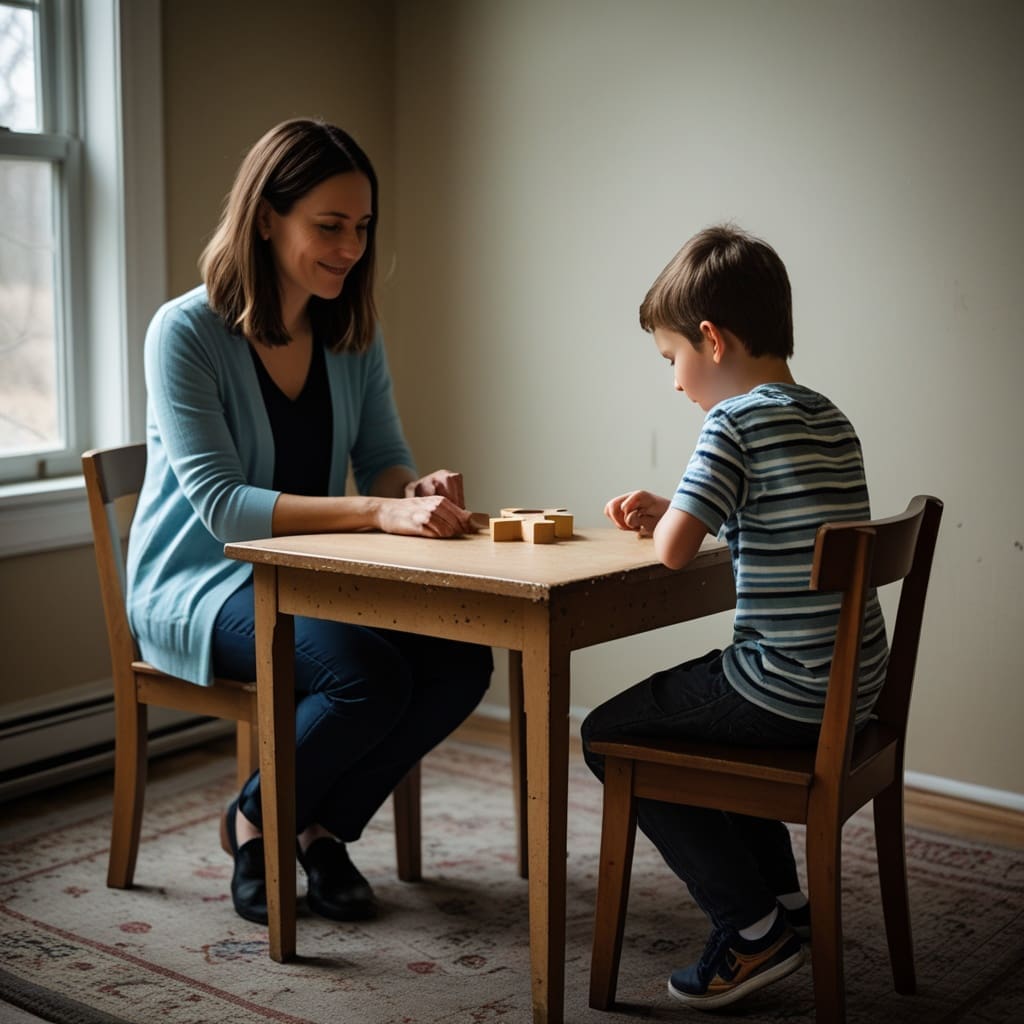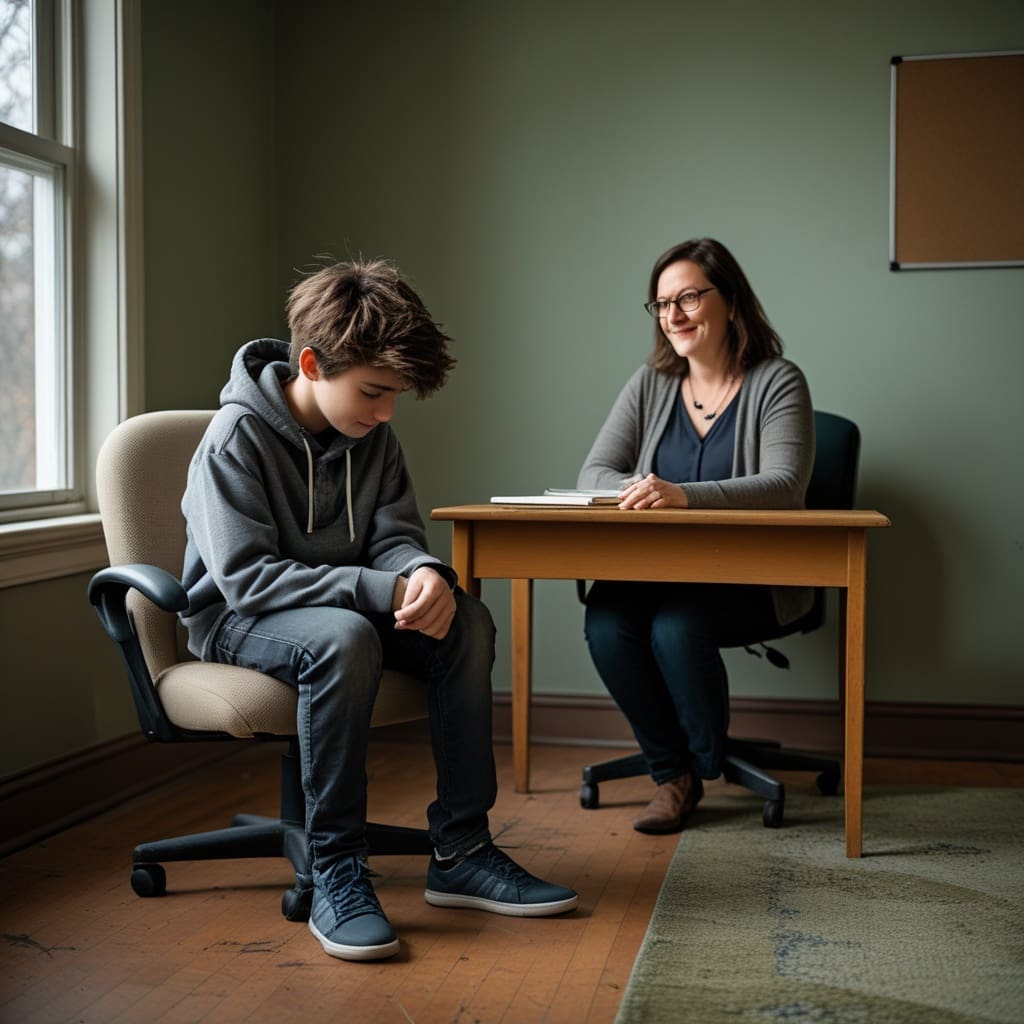

ABA therapy typically lasts one to three years for most children, though timelines range from six months for narrow, targeted goals to five years or more for children with complex or overlapping needs. The exact length depends on your child’s age at the start of treatment, the severity of their autism spectrum diagnosis, the number of weekly therapy hours, and how many goals appear on their individualized treatment plan. According to the Journal of Applied Behavior Analysis, measurable gains in communication and adaptive behavior typically become evident after 12 to 24 months of consistent, intensive treatment. No two children follow an identical path, which is exactly the point of a therapy built around individual data rather than a fixed curriculum.
This variability can feel frustrating if you want a firm number to plan around. The sections below break that number down by age, severity level, and weekly hour commitment, so you can form a realistic expectation for your own child’s situation rather than relying on a single average.
Key Takeaways
- Average duration runs one to three years. Children with focused, limited goals may finish in six to eighteen months, while those with multiple or complex needs often continue for four to five years.
- Weekly hours strongly influence the timeline. Intensive programs (25 to 40 hours per week) tend to produce measurable progress faster than focused programs (10 to 15 hours per week).
- Starting early shortens total treatment time. Children who begin before age four generally require fewer cumulative years of therapy than those who start after age seven.
- Severity level shapes the length of care. Level 1 autism diagnoses often require shorter programs than Level 3 diagnoses, which frequently involve co-occurring conditions.
- There is no single graduation date. Therapy ends when a child meets individualized, data-tracked goals, not after a fixed number of sessions or months.
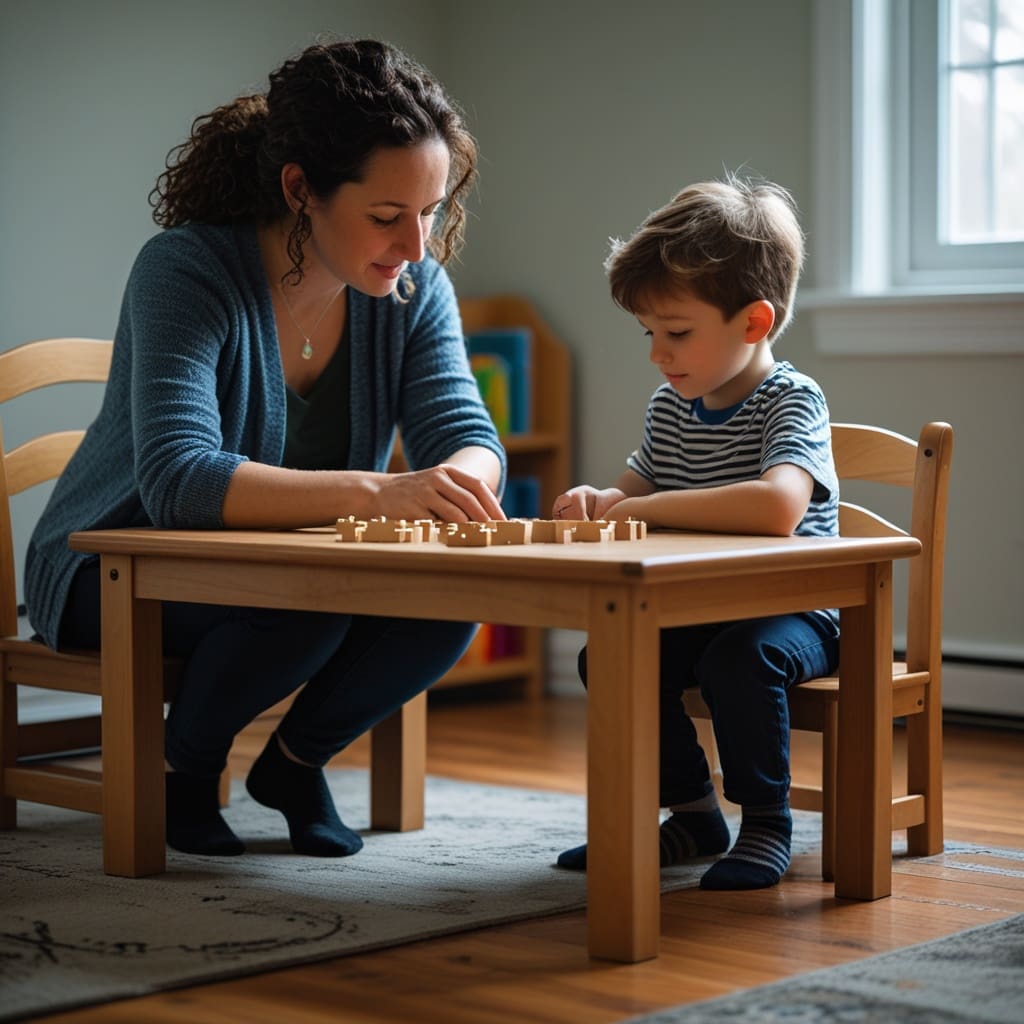
How Long Does ABA Therapy Typically Last?
Most families can expect somewhere between one and three years of active ABA therapy, based on data compiled across treatment centers nationwide. A landmark study led by Dr. O. Ivar Lovaas at UCLA found that children who received 40 hours of therapy per week for two or more years showed significant improvement in IQ scores, adaptive functioning, and school placement outcomes compared to children receiving minimal intervention. More recent research, including findings cited by the Council of Autism Service Providers in its annual State-of-the-Field report, supports the same pattern: sustained, intensive treatment over a period of at least 24 months tends to produce the most durable gains.
That one-to-three-year range is wide because ABA therapy is never standardized across patients. Two children with the same diagnosis, the same age, and even the same intake assessment score can follow completely different timelines once treatment goals are set and data collection begins. A child entering therapy with a narrow focus, such as reducing a single disruptive behavior, may complete treatment in under a year. A child entering with deficits across communication, social interaction, and daily living skills will likely need a multi-year program that evolves as earlier goals are mastered.
Typical Timelines by Autism Severity Level
The Diagnostic and Statistical Manual of Mental Disorders, Fifth Edition (DSM-5-TR) classifies autism spectrum disorder into three support levels, and that classification has a direct relationship with expected therapy length. Severity is not the only variable, but it is one of the clearest predictors available at the start of treatment.
- Level 1 (requiring support): Children typically need 10 to 20 hours of therapy per week for 12 to 18 months. Goals often center on social reciprocity, flexibility, and reducing mild repetitive behaviors.
- Level 2 (requiring substantial support): Children generally need 20 to 30 hours per week for 18 months to three years. Treatment plans usually address communication delays, moderate behavioral challenges, and functional independence skills.
- Level 3 (requiring very substantial support): Children often need 30 to 40 hours per week for three to five years, sometimes longer when co-occurring conditions such as intellectual disability or significant speech delay are present.
Because severity can shift slightly as skills develop, the best starting point for predicting duration is not a guess but a formal evaluation. Understanding how an initial assessment helps estimate the length and intensity of therapy needed gives you a far more accurate picture than relying on general averages alone, since the assessment accounts for your child’s specific skill profile rather than a broad diagnostic category.
Typical Timelines by Age Group
Age at the start of treatment is one of the strongest predictors of total therapy length, largely because of neuroplasticity, the brain’s heightened capacity to form new neural pathways during early childhood. The Centers for Disease Control and Prevention’s ADDM Network, which tracks autism prevalence nationwide, reports that roughly 1 in 31 children in the United States is identified with autism spectrum disorder by age eight, and earlier identification consistently correlates with earlier intervention and shorter overall treatment duration.
- Ages 2 to 3: Children starting intensive, play-based programs such as the Early Start Denver Model (ESDM) at 15 to 25 hours per week often reach core developmental goals within 12 to 24 months.
- Ages 4 to 6: Children in this range typically need 20 to 35 hours per week for 18 months to three years, since more foundational skills must be built before academic readiness goals can begin.
- Ages 7 to 12: School-age children often start with focused programs of 10 to 25 hours per week, lasting two to four years, with an emphasis on social skills, self-regulation, and academic integration.
- Ages 13 and older: Teenagers typically require shorter, highly targeted interventions of six months to two years, focused on vocational skills, independent living, and social communication for adulthood.
Families frequently ask whether waiting a year or two “to see if the child catches up” causes real harm. The data suggests it often does. Exploring why starting therapy younger can shorten the overall treatment timeline is worth doing before a diagnosis is even finalized, since many clinics accept children for evaluation as soon as developmental concerns appear, sometimes as early as 15 to 18 months of age.
How Weekly Therapy Hours Shape the Timeline
A Board Certified Behavior Analyst (BCBA), credentialed through the Behavior Analyst Certification Board, determines recommended weekly hours based on assessment results, chronological age, and treatment goals. Hour recommendations fall into three general tiers, and the tier a child is placed in affects both the pace of progress and the total duration of care.
- Intensive ABA: 25 to 40 hours per week, typically for children under age six with deficits across multiple developmental domains. This tier produces the fastest measurable skill acquisition and is the model used in most of the foundational published ABA research.
- Focused ABA: 10 to 25 hours per week, aimed at specific behaviors or skill areas rather than comprehensive development. Many children transition here after intensive therapy, which is a sign of progress rather than a reduction in care quality.
- Maintenance or consultation ABA: 2 to 10 hours per week, used to sustain gains, support generalization into school and home settings, and provide ongoing parent coaching once major goals are met.
Cost tracks closely with hours. According to the Council of Autism Service Providers, average billed rates for ABA services in the United States in 2026 range from roughly $120 to $180 per hour depending on region and provider credentials, meaning a 40-hour weekly intensive program can represent a substantial family and insurance investment. Most states now mandate at least partial insurance coverage for ABA therapy under autism-specific mandates, though coverage caps and prior authorization requirements vary considerably by insurer and by state.
Other Factors That Influence Total Duration
Beyond age, severity, and hours, several additional variables shift a treatment timeline longer or shorter. None of these factors operates in isolation, and a BCBA weighs all of them together when building and revising a treatment plan.
- Number of treatment goals: A plan built around five discrete goals typically resolves faster than one built around twenty, though new goals are often added as earlier ones are mastered.
- Co-occurring conditions: ADHD, anxiety disorders, intellectual disability, and speech-language delays each add complexity and frequently extend the overall timeline by six months to two years.
- Family involvement and consistency: Research summarized by Autism Speaks indicates that children whose caregivers reinforce ABA strategies at home tend to generalize skills faster than children who only practice during scheduled sessions.
- Consistency of service delivery: Frequent cancellations, staff turnover, or gaps in service (common during insurance reauthorization delays) can meaningfully slow progress and extend the total calendar time needed to reach goals.
- Setting: Children receiving services across home, school, and clinic settings often generalize skills faster than those receiving therapy in a single environment, which can shorten overall duration.
Signs of Progress and When Therapy Typically Ends
Behavior analysts collect session-by-session data from day one, so you should see documented, measurable progress within the first three to six months of consistent treatment, even if the overall program continues for years afterward. Progress is not a single moment but a pattern of mastered goals building on one another over time.
Clear signs that therapy is working, according to treatment-planning standards used across most ABA providers, include the following:
- Increased independent skill use. By month three, a child should show at least partial independence on one or two targeted skills without prompting.
- Reduced frequency of target behaviors. Data should show a measurable decline, often 30 percent or more, in the specific behavior being addressed within the first 90 days.
- Generalization across settings. Skills practiced in session should start appearing at home or school within four to six months, not only during scheduled therapy time.
- Successful step-down in hours. A move from intensive to focused hours, often occurring between months 12 and 24, signals meaningful consolidation of earlier goals.
- Goal mastery and plan revision. When 80 percent or more of active goals are mastered, the BCBA typically either closes the plan or introduces new, higher-level goals.
There is no universal graduation ceremony in ABA therapy, and no fixed session count that triggers discharge. Instead, how progress is measured to determine when therapy goals have been met becomes the actual determining factor, reviewed formally every three to six months through standardized assessments and ongoing data graphs.
Therapy ends when the data says the goals are met, not when a calendar says enough time has passed.
Families should expect regular progress reports from their BCBA, and any significant plateau in progress for more than two or three review cycles is a reasonable trigger to discuss adjusting the approach rather than assuming a longer timeline is automatically needed.
Take the Next Step Toward a Clear Timeline
If you are weighing whether to start ABA therapy or wondering why your child’s current program has not yet produced a clear end date, a formal assessment is the most reliable way to get real answers specific to your child. Contact a qualified ABA provider to schedule an evaluation, review weekly hour recommendations, and build a treatment plan with measurable, trackable goals from the very first session. A good evaluation looks at current skill gaps in communication, social interaction, and daily living tasks, then sets specific benchmarks, like initiating conversation or managing transitions independently, so progress can be measured every few months instead of guessed at. Ask the provider how often they review data and adjust goals, since regular check-ins (usually every three to six months) are what actually shape a realistic timeline and signal when reduced hours or discharge might be appropriate.
Frequently Asked Questions
Can ABA therapy last only a few months?
Yes, for narrow and specific goals. Children who enter therapy to address a single behavior, such as a feeding difficulty or a specific communication deficit, sometimes complete focused programs in six to twelve months. Broader developmental goals almost always require longer timelines.
Does ABA therapy ever continue into the teenage years or adulthood?
It can, though usually at reduced hours. Older children and teenagers often continue with maintenance or consultation-level services, typically two to ten hours per week, focused on vocational skills, social communication, and independent living rather than intensive early-intervention goals.
What happens if my child is not showing progress after six months?
The treatment plan should be reviewed and adjusted. A lack of measurable progress after six months of consistent attendance usually prompts the BCBA to reassess goals, hours, or teaching strategies rather than simply extending the same plan indefinitely.
Is longer ABA therapy always better for outcomes?
Not necessarily; the right duration is based on individual need, not length alone. Research from the Journal of Applied Behavior Analysis emphasizes intensity and consistency over raw duration, meaning a well-matched 18-month intensive program can outperform a loosely attended three-year program.
How often is my child’s ABA treatment plan reviewed?
Most plans are formally reviewed every three to six months. These reviews compare current data against baseline measurements, update mastered goals, and determine whether weekly hours should increase, decrease, or stay the same heading into the next phase.
Conclusion
ABA therapy duration is never arbitrary. It reflects a child’s age, severity level, weekly hour commitment, and the specific goals written into an individualized treatment plan, with most families seeing active treatment span one to three years and some extending to four or five years for more complex needs. The most reliable way to understand your own child’s likely timeline is a formal assessment paired with consistent, data-driven progress reviews, rather than relying on a single average figure. Therapy concludes when documented goals are met, not when an arbitrary clock runs out.